
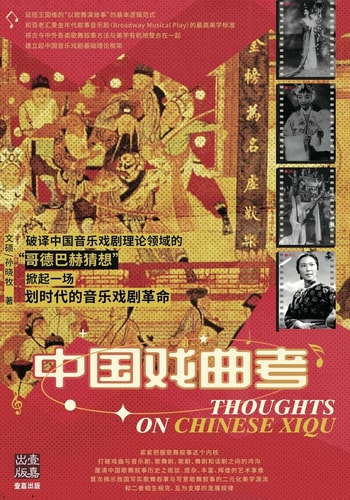
中国戏曲考 - 文硕,Xiaomu Sun,孙晓牧
文硕, Xiaomu Sun, 孙晓牧
-20% with code BOOKS
Shipping in 10-16 days
30-day return policy
This pioneering work is rich in historical materials and grounded in the idea of returning Chinese musical theater (Xiqu) to Wang Guowei's concept of "telling stories through song and dance." It offers a unique perspective that clearly outlines the development of Chinese musical theater, highlighting the aesthetic features of traditional operas that rely on virtual and stylized narratives, alongside the tre ... Full description
You May Also Like
 TOP
TOP

Born a Crime: Stories from a South African Childhood
-20% with code BOOKS
In stock
TOP

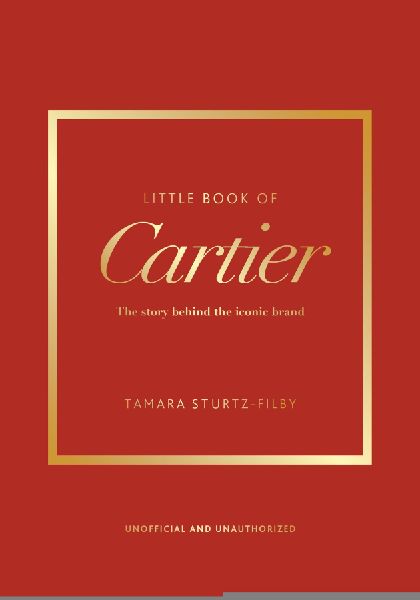
Little Book of Cartier: The story of the iconic jewellery brand
-20% with code BOOKS
In stock at our supplier
TOP
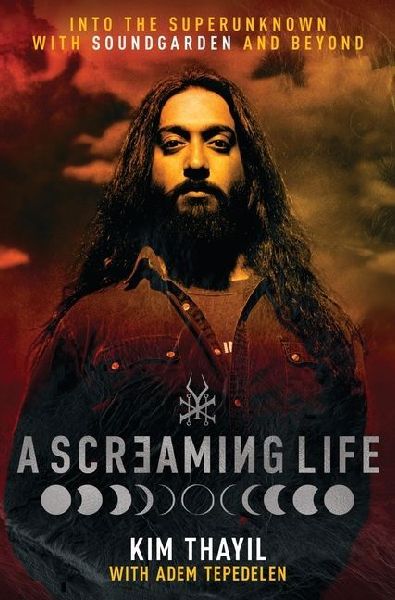
A Screaming Life: Into the Superunknown with Soundgarden and Beyond
-20% with code BOOKS
In stock at our supplier
TOP
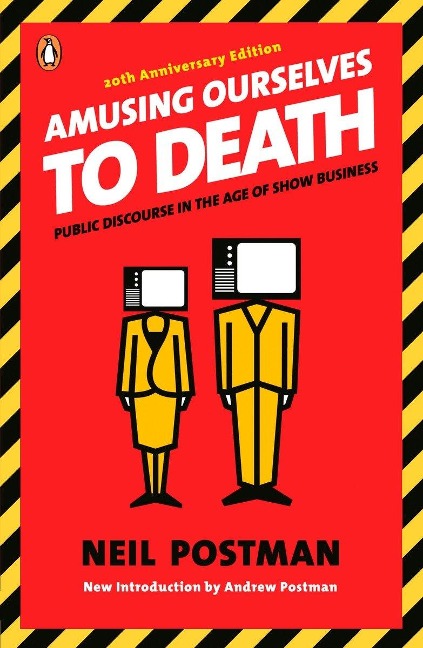
Amusing Ourselves to Death: Public Discourse in the Age of Show Business
-20% with code BOOKS
In stock at our supplier
TOP
Encyclopaedia Eorzea ~The World of Final Fantasy XIV~ Volume I
-20% with code BOOKS
In stock at our supplier
TOP
25 leichte Etüden: für Klavier op. 100
-20% with code BOOKS
In stock at our supplier
 TOP
TOP

Call It Home: The Details That Matter
-20% with code BOOKS
In stock at our supplier
TOP
Encyclopaedia Eorzea ~The World of Final Fantasy XIV~ Volume II
-20% with code BOOKS
In stock at our supplier
TOP

The Art of Home: A Designer Guide to Creating an Elevated Yet Approachable Home
-20% with code BOOKS
In stock at our supplier
TOP
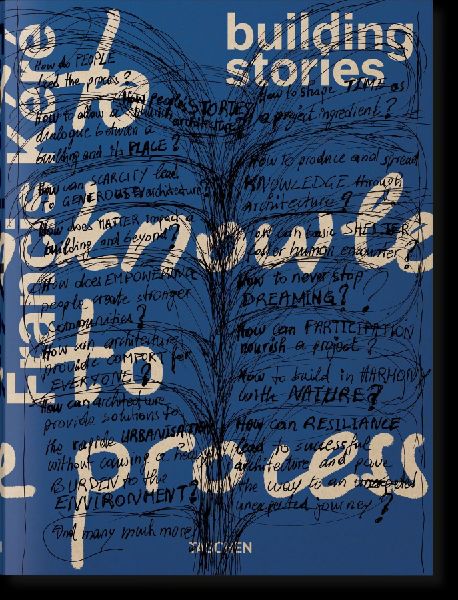
Francis Kéré: Building Stories
-20% with code BOOKS
In stock at our supplier
 TOP
TOP
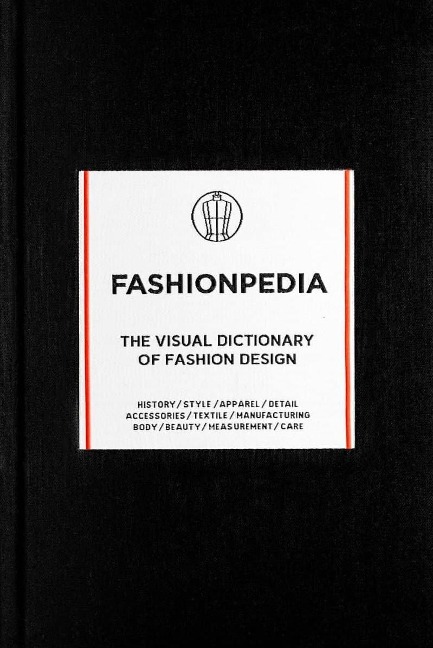
Fashionpedia: The Visual Dictionary of Fashion Design
-20% with code BOOKS
In stock at our supplier
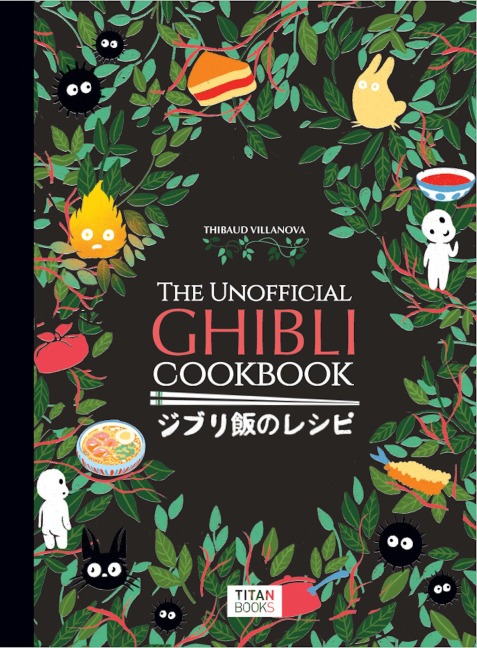 TOP
TOP
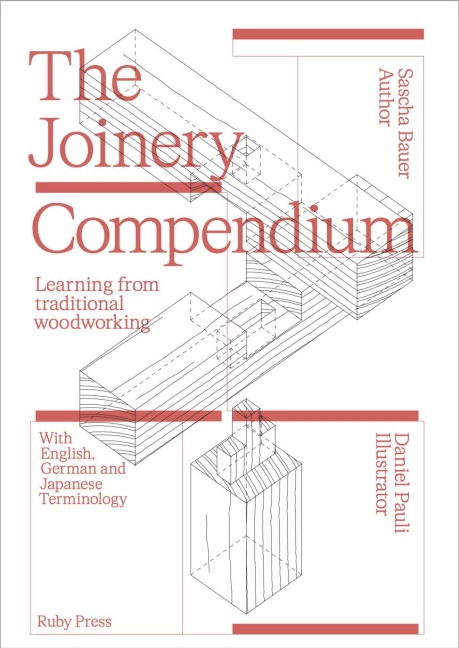
The Joinery Compendium: Learning from Traditional Woodworking
-20% with code BOOKS
In stock at our supplier
TOP
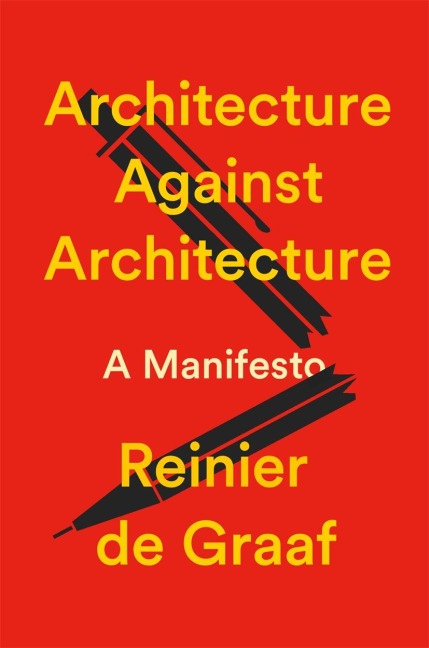
Architecture Against Architecture: A Manifesto
-20% with code BOOKS
In stock at our supplier
TOP

If I Could Write Poetry: Selected Lyrics
-20% with code BOOKS
In stock at our supplier
TOP

Lorena B - Top Model of MetArt.com: Deutsch/Englische Originalausgabe - Original English-German Edition
-20% with code BOOKS
In stock at our supplier
TOP
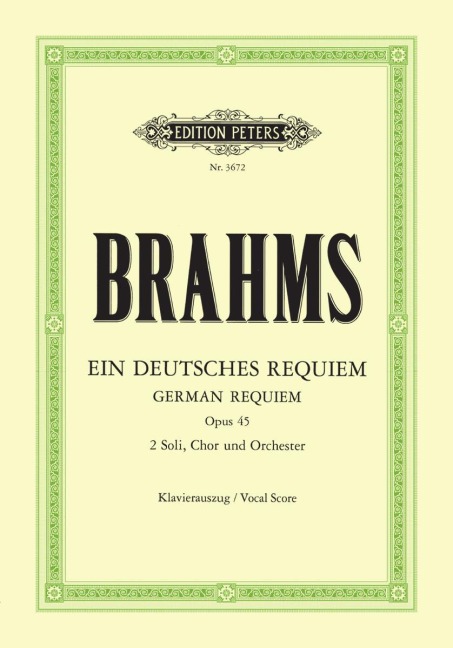
Ein deutsches Requiem op. 45: Klavierauszug
-20% with code BOOKS
In stock at our supplier
TOP
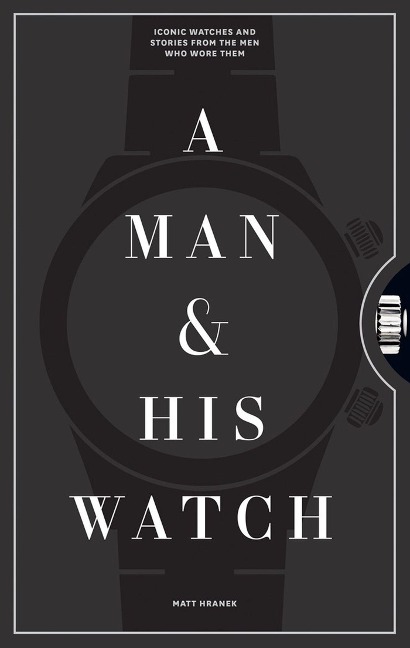
A Man and His Watch: 76 of the World's Most Iconic Watches and Stories from the Men Who Wore Them
-20% with code BOOKS
In stock at our supplier
Description
More Information
| Author | 文硕, Xiaomu Sun, 孙晓牧 |
|---|---|
| Publisher | 1 Plus Books |
| Release year | 2023 |
| Cover type | Softcover |
| EAN | 9781949736892 |