
Antibody Engineering Protocols -

-20% with code BOOKS
Shipping in 22-28 days
30-day return policy
Antibodies are the instraments of immune defense and attack. They can bind small atomic arrays as well as large epitopes with high affinity. Antibody Engineering Protocols presents advanced protocols in the field of antibody engineering, reviews of basic principles and methodology, and a historical perspective on the development of cur rently held beliefs about antibody structure-function relationships. Th ... Full description
You May Also Like
 TOP
TOP

The Myth of Normal: Trauma, Illness, and Healing in a Toxic Culture
-20% with code BOOKS
In stock
TOP
No Bad Parts: Healing Trauma and Restoring Wholeness with the Internal Family Systems Model
-20% with code BOOKS
In stock at our supplier
TOP

Maybe You Should Talk to Someone: a therapist, her thearapist, and our lives revealed
-20% with code BOOKS
In stock at our supplier
TOP

On Connection: 'Powerful' MATT HAIG
-20% with code BOOKS
In stock at our supplier
TOP

The Checklist Manifesto: How to Get Things Right
-20% with code BOOKS
In stock at our supplier
TOP

Aids to the Examination of the Peripheral Nervous System
-20% with code BOOKS
In stock at our supplier
TOP
Harrison's Principles of Internal Medicine (Vol.1 & Vol.2)
Stephen Hauser, Joseph Loscalzo, Steven Holland, Dan Longo, J. Larry Jameson, Dennis Kasper, Carol Langford, Anthony Fauci
-20% with code BOOKS
In stock at our supplier
TOP

The Body Keeps the Score: Brain, Mind, and Body in the Healing of Trauma
-20% with code BOOKS
In stock at our supplier
 TOP
TOP

How Not To Die: Discover the foods scientifically proven to prevent and reverse disease
-20% with code BOOKS
In stock at our supplier
TOP
Lifespan: Why We Age - and Why We Don't Have To
-20% with code BOOKS
In stock at our supplier
TOP
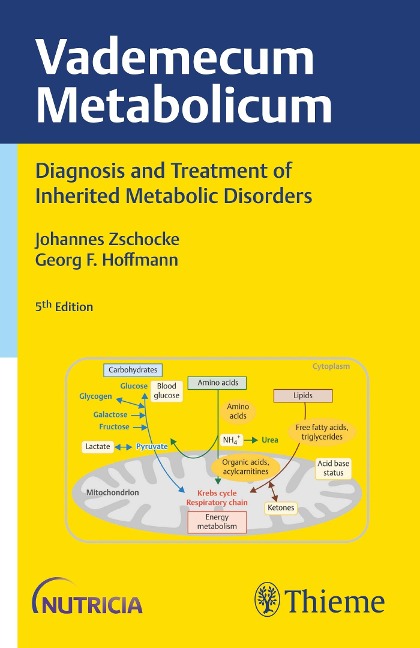
Vademecum Metabolicum: Diagnosis and Treatment of Inborn Errors of Metabolism Forword by William L. Nyhan, San Diego, USA
Johannes Zschocke, Georg F. Hoffmann
-20% with code BOOKS
In stock at our supplier
TOP

ROAR: How to Match Your Food and Fitness to Your Unique Female Physiology for Optimum Performance, Great Health, and a Strong, Lean Body for Life
-20% with code BOOKS
In stock at our supplier
TOP

Cellular and Molecular Immunology
Sarah Henrickson, Abul K. Abbas, Andrew H. Lichtman, Shiv Pillai
-20% with code BOOKS
In stock at our supplier
TOP
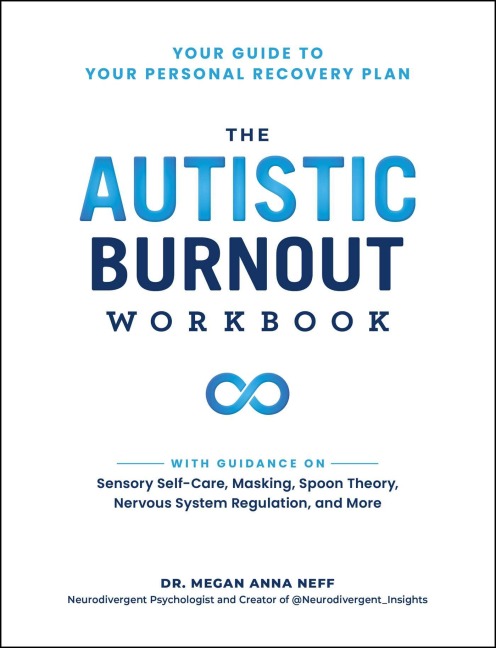
The Autistic Burnout Workbook: Your Guide to Your Personal Recovery Plan
-20% with code BOOKS
In stock at our supplier
TOP

McGee's Evidence-Based Physical Diagnosis
-20% with code BOOKS
In stock at our supplier
TOP
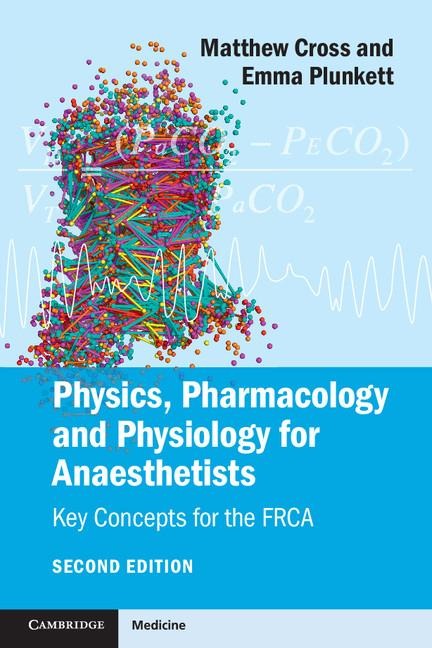
Physics, Pharmacology and Physiology for Anaesthetists: Key Concepts for the FRCA
Matthew E. Cross, Emma V. E. Plunkett
-20% with code BOOKS
In stock at our supplier
TOP
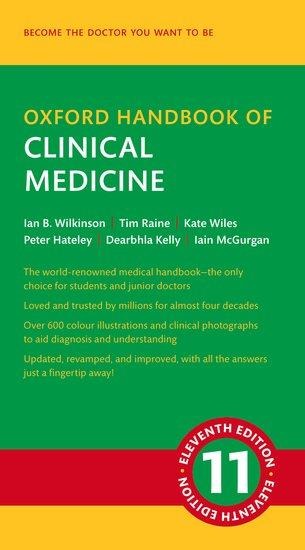
Oxford Handbook of Clinical Medicine
Peter Hateley, Iain McGurgan, Ian B. Wilkinson, Tim Raine, Dearbhla Kelly, Kate Wiles
-20% with code BOOKS
In stock at our supplier
TOP
Pocket Guide to Teaching for Clinical Instructors
-20% with code BOOKS
In stock at our supplier
TOP
Oxford Handbook of Critical Care
Andrew Webb, Mervyn Singer, Alice Carter
-20% with code BOOKS
In stock at our supplier
Description
Antibodies are the instraments of immune defense and attack. They can bind small atomic arrays as well as large epitopes with high affinity. Antibody Engineering Protocols presents advanced protocols in the field of antibody engineering, reviews of basic principles and methodology, and a historical perspective on the development of cur rently held beliefs about antibody structure-function relationships. The topics cover analysis of antibody sequences, three-dimensional structure, delineation of antibody characteristics in polyclonal mixtures, phage display of natural and synthetic antibodies, and antibody catalysis. Ligand recognition by antibodies occurs primarily at a subset of amino acid residues located in the complementarity determining regions (CDRs) found in the light (L) and heavy (H) chain subunits. Specific antibodies are developed by immunization with molecules identical to or related in structure to the target ligand. The immune repertoire from nonimmunized individuals also contains pre-existing specificities that can be selected by screening libraries composed of hybridoma cells or phage particles displaying F domains or indi vidual variable domains of the light (VJ and heavy (V^^) chains. Ran dom or site-directed mutagenesis in vitro can be used to refine the pre-existing specificities or produce new specificities de novo. Another level at which new specificities may be generated in vitro is V^ and V^ domain-swapping and CDR-swapping. The former procedure embodies a variation of natural mechanisms of generating antibody diversity. The latter procedure produces new intramolecular CDR combinations not found in nature.
More Information
| Publisher | Humana Press |
|---|---|
| Release year | 1995 |
| Cover type | Softcover |
| EAN | 9780896032750 |