
Complement -
-20% with code BOOKS
Shipping in 12-18 days
30-day return policy
Activation of the complement system gives rise to a number of molecular species which can interact with host-derived cells and regulate their function. This interaction is mediated through distinct cell surface complement receptors, and receptor engagement produces biologic responses which can either modulate host defense reactions or enhance inflammation. Although the first complement receptor was recogniz ... Full description
You May Also Like
 TOP
TOP

The Myth of Normal: Trauma, Illness, and Healing in a Toxic Culture
-20% with code BOOKS
In stock
TOP
The Body Keeps the Score: Brain, Mind, and Body in the Healing of Trauma
-20% with code BOOKS
In stock at our supplier
TOP
No Bad Parts: Healing Trauma and Restoring Wholeness with the Internal Family Systems Model
-20% with code BOOKS
In stock at our supplier
TOP

The Checklist Manifesto: How to Get Things Right
-20% with code BOOKS
In stock at our supplier
TOP

Attached: Are you Anxious, Avoidant or Secure? How the science of adult attachment can help you find - and keep - love
Amir Levine, Rachel S.F. Heller
-20% with code BOOKS
In stock
TOP
Lifespan: Why We Age - and Why We Don't Have To
-20% with code BOOKS
In stock at our supplier
TOP

On Connection: 'Powerful' MATT HAIG
-20% with code BOOKS
In stock at our supplier
TOP
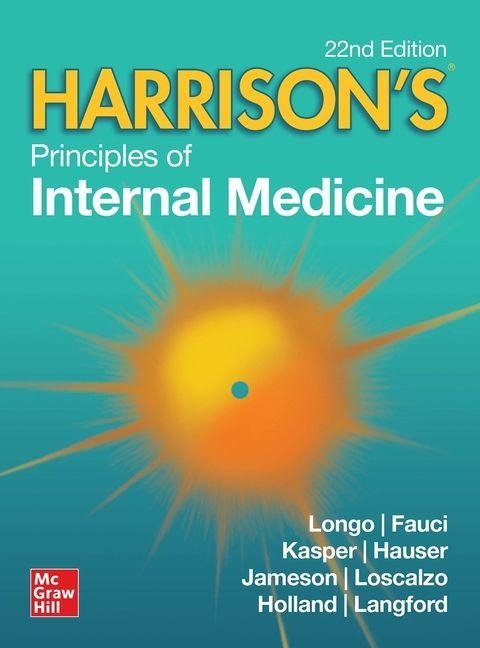
Harrison's Principles of Internal Medicine (Vol.1 & Vol.2)
Stephen Hauser, Joseph Loscalzo, Steven Holland, Dan Longo, J. Larry Jameson, Dennis Kasper, Carol Langford, Anthony Fauci
-20% with code BOOKS
In stock at our supplier
 TOP
TOP

Maybe You Should Talk to Someone: a therapist, her thearapist, and our lives revealed
-20% with code BOOKS
In stock at our supplier
TOP
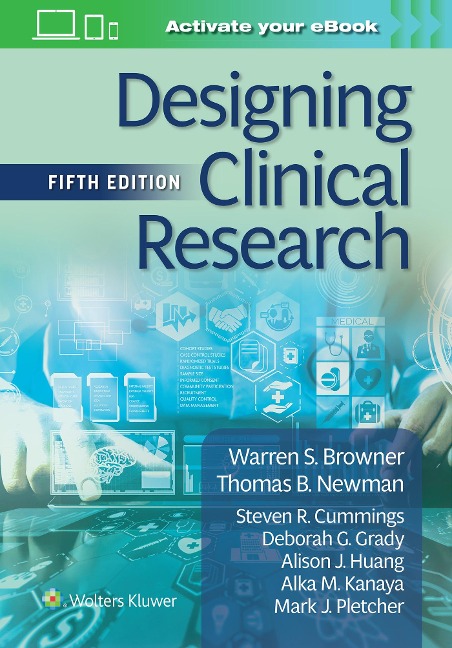
Designing Clinical Research
Mark J Pletcher, Alka M. Kanaya, Alison J Huang, Thomas B Newman, Warren S Browner, Steven R Cummings, Deborah G Grady
-20% with code BOOKS
In stock at our supplier
TOP


Unlearn Your Pain: The Science of Recovering from Chronic Pain, Fatigue, Anxiety, and Depression
-20% with code BOOKS
In stock at our supplier
TOP

Anatomy Trains: Myofascial Meridians for Manual Therapists and Movement Professionals
-20% with code BOOKS
In stock at our supplier
TOP

Cellular and Molecular Immunology
Sarah Henrickson, Abul K. Abbas, Andrew H. Lichtman, Shiv Pillai
-20% with code BOOKS
In stock at our supplier
TOP

The Autistic Burnout Workbook: Your Guide to Your Personal Recovery Plan
-20% with code BOOKS
In stock at our supplier
TOP
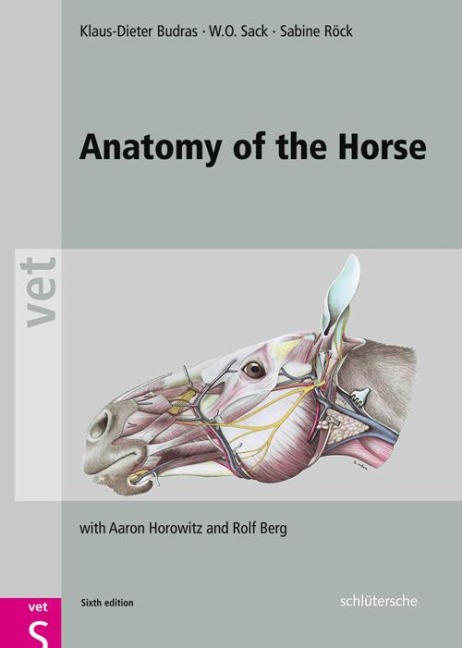
Anatomy of the Horse: with Aaron Horowitz and Rolf Berg
Klaus-Dieter Budras, W. O. Sack, Sabine Röck
-20% with code BOOKS
In stock at our supplier
TOP
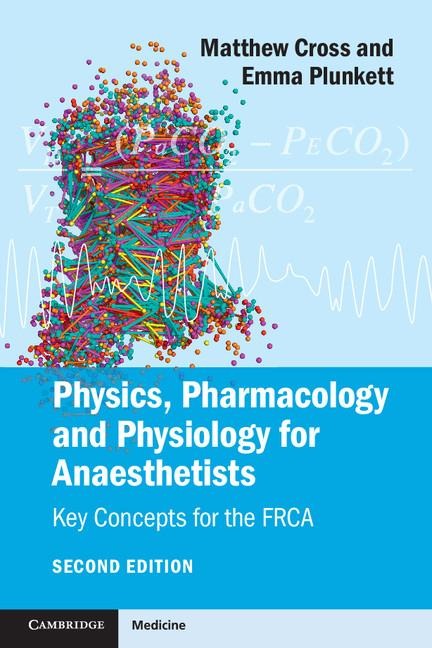
Physics, Pharmacology and Physiology for Anaesthetists: Key Concepts for the FRCA
Matthew E. Cross, Emma V. E. Plunkett
-20% with code BOOKS
In stock at our supplier
TOP
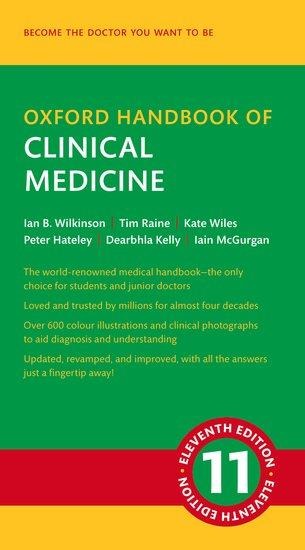
Oxford Handbook of Clinical Medicine
Peter Hateley, Iain McGurgan, Ian B. Wilkinson, Tim Raine, Dearbhla Kelly, Kate Wiles
-20% with code BOOKS
In stock at our supplier
TOP

Kanski's Clinical Ophthalmology: A Systematic Approach
-20% with code BOOKS
In stock at our supplier
TOP
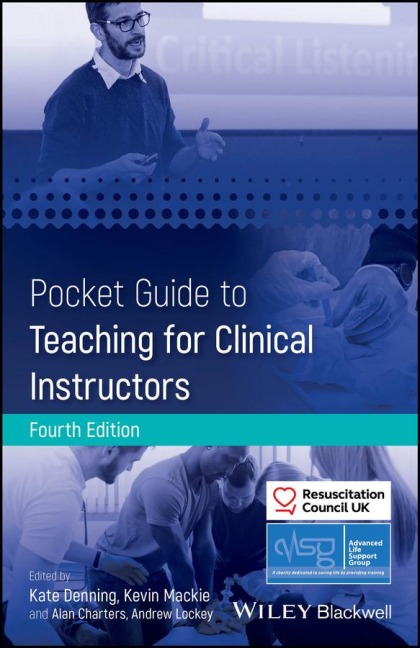
Pocket Guide to Teaching for Clinical Instructors
-20% with code BOOKS
In stock at our supplier
Description
Activation of the complement system gives rise to a number of molecular species which can interact with host-derived cells and regulate their function. This interaction is mediated through distinct cell surface complement receptors, and receptor engagement produces biologic responses which can either modulate host defense reactions or enhance inflammation. Although the first complement receptor was recognized more than 30 years ago [80J, detailed biochemical information concerning the receptors has only recently become available. Currently, eight distinct complement receptors are recognized. Five receptors (CRl, CR2, CR3, C3a receptor, and C3e receptor) react with various regions on C3 while the other receptors display specificity for Clq, C5a, or Factor H. This chapter focusses on the chemistry of the various ligands and receptors and discusses the biologic activities which arise as a result of receptor-ligand interaction. II. CIQ Receptor A. The Ligand Clq is the recognition molecule of the classical complement pathway [reviewed in 20, 130]. In serum, it is part of a calcium-dependent penta molecular complex containing one molecule ofClq and two molecules each of the pro enzymes Clr and CIs. During classical pathway activation, the macromolecular complex becomes associated with the activator through the Clq subcomponent. Bound Clq undergoes a conformational change and induces the proteolytic autoactivation of Clr which in turn effects the proteolytic activation of CIs. This process is controlled by the Cl inhibitor (ClINH) which binds irreversibly to activated Clr and CIs, and inhibits their enzymatic activities.
More Information
| Publisher | Springer Berlin Heidelberg |
|---|---|
| Release year | 1985 |
| Cover type | Softcover |
| EAN | 9783540150756 |