
Correlation Function (Astronomy): Astronomy, Galaxy, Correlation function, Function (mathematics) -


-20% with code BOOKS
Shipping in 15-21 days
30-day return policy
Please note that the content of this book primarily consists of articles available from Wikipedia or other free sources online. In astronomy, a correlation function describes the distribution of galaxies in the universe. By default, correlation function refers to the two-point autocorrelation function. For a given distance, the two-point autocorrelation function is a function of one variable which describes ... Full description
You May Also Like
 TOP
TOP

Six Not-so-easy Pieces: Einstein's Relativity, Symmetry, and Space-Time
Richard P. Feynman, Robert B. Leighton, Matthew Sands
-20% with code BOOKS
In stock at our supplier
TOP

Six Easy Pieces: Essentials of Physics Explained by Its Most Brilliant Teacher
Richard P. Feynman, Robert B. Leighton, Matthew Sands
-20% with code BOOKS
In stock at our supplier
TOP

Astrophysics for People in a Hurry: Essays on the Universe and Our Place Within It
-20% with code BOOKS
In stock at our supplier
TOP
Behave: The Biology of Humans at Our Best and Worst
-20% with code BOOKS
In stock at our supplier
TOP
The Rise and Fall of the Dinosaurs: A New History of a Lost World
-20% with code BOOKS
In stock at our supplier
TOP
The Rise and Reign of the Mammals: A New History, from the Shadow of the Dinosaurs to Us
-20% with code BOOKS
In stock at our supplier
TOP

Determined: The Science of Life Without Free Will
-20% with code BOOKS
In stock at our supplier
 TOP
TOP

Beyond Inheritance: Our Ever-Mutating Cells and a New Understanding of Health
-20% with code BOOKS
In stock at our supplier
TOP

The Age of Alchemy: How Early Innovators Shaped Modern Chemistry
-20% with code BOOKS
In stock at our supplier
TOP
The Secrets of our DNA: How Genetics has Changed the World
-20% with code BOOKS
In stock at our supplier
TOP
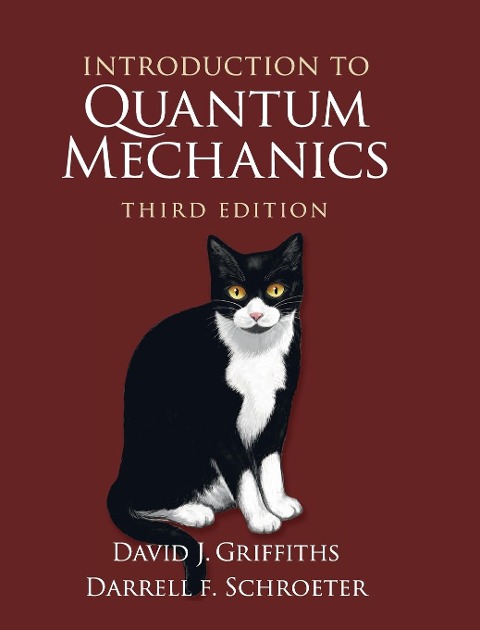
Introduction to Quantum Mechanics
Darrell F. Schroeter, David J. Griffiths
-20% with code BOOKS
In stock at our supplier
TOP
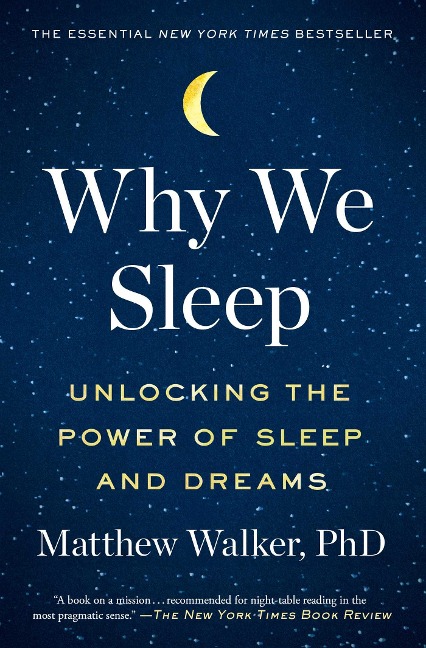
Why We Sleep: Unlocking the Power of Sleep and Dreams
-20% with code BOOKS
In stock
TOP
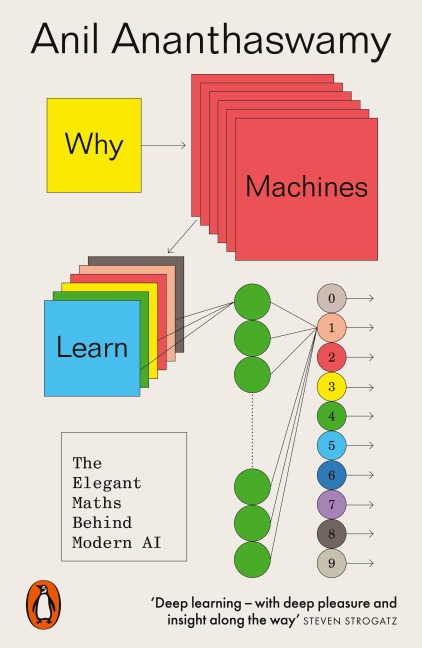
Why Machines Learn: The Elegant Maths Behind Modern AI
-20% with code BOOKS
In stock at our supplier
TOP
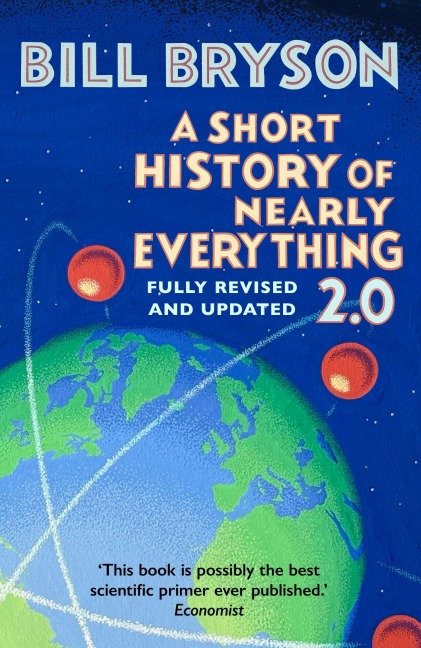
A Short History of Nearly Everything 2.0
-20% with code BOOKS
In stock at our supplier
TOP

A Brief History of Time: From the Big Bang to Black Holes
-20% with code BOOKS
In stock at our supplier

 TOP
TOP

Thing Explainer: Complicated Stuff in Simple Words
-20% with code BOOKS
In stock at our supplier
TOP

Biology: A Global Approach, Global Edition
Neil Campbell, Rebecca Orr, Lisa Urry, Peter Minorsky, Michael Cain, Jane Reece, Steven Wasserman
-20% with code BOOKS
In stock at our supplier
Description
More Information
| Publisher | OmniScriptum |
|---|---|
| Release year | 2026 |
| Cover type | Softcover |
| EAN | 9786133597556 |