
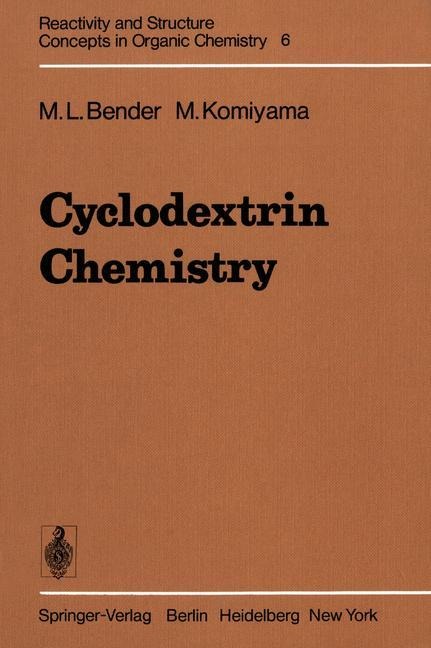
Cyclodextrin Chemistry - M. Komiyama,M. L. Bender
-30% with code BOOKS
Shipping in 12-18 days
30-day return policy
Chemistry was at one time completely described in terms of collision theo ry, in which one molecule collided with another, sometimes producing reac tion. Then came the realization that enzymes which are highly efficient ca talysts, work by way of prior complexation, often stereospecific, which is then followed by chemical reaction. Thus, systems that exhibit "host-guest" relationships, i.e., that show co ... Full description
You May Also Like
 TOP
TOP

Determined: The Science of Life Without Free Will
-30% with code BOOKS
In stock at our supplier
TOP

The Light Eaters: How the Unseen World of Plant Intelligence Offers a New Understanding of Life on Earth
-30% with code BOOKS
In stock at our supplier
 TOP
TOP
Why We Sleep: Unlocking the Power of Sleep and Dreams
-30% with code BOOKS
In stock
TOP
The Rise and Fall of the Dinosaurs: A New History of a Lost World
-30% with code BOOKS
In stock at our supplier
TOP
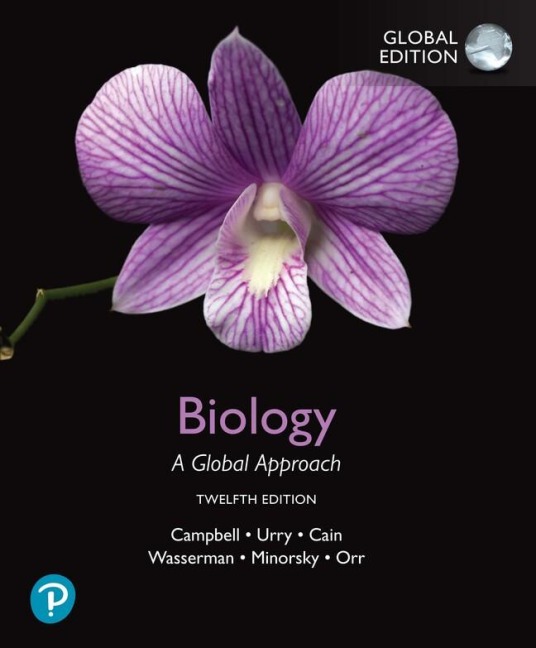
Biology: A Global Approach, Global Edition
Neil Campbell, Rebecca Orr, Lisa Urry, Peter Minorsky, Michael Cain, Jane Reece, Steven Wasserman
-30% with code BOOKS
In stock at our supplier
TOP

Six Not-so-easy Pieces: Einstein's Relativity, Symmetry, and Space-Time
Richard P. Feynman, Robert B. Leighton, Matthew Sands
-30% with code BOOKS
In stock at our supplier
TOP

Explaining AuDHD: The expert-led guide to Autism and ADHD Co-concurrence
-30% with code BOOKS
In stock at our supplier
TOP

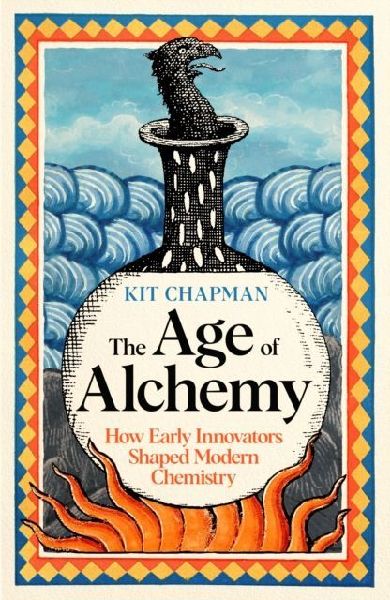
The Age of Alchemy: How Early Innovators Shaped Modern Chemistry
-30% with code BOOKS
In stock at our supplier
TOP
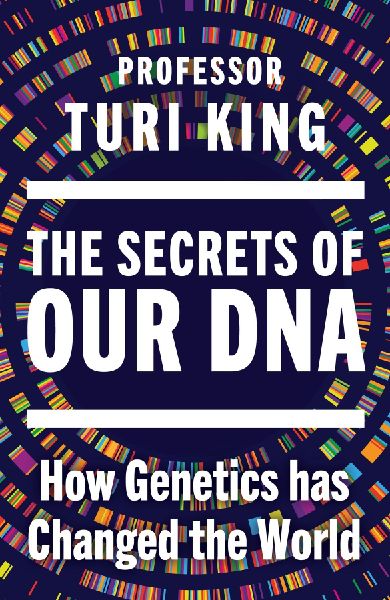
The Secrets of our DNA: How Genetics has Changed the World
-30% with code BOOKS
In stock at our supplier
TOP

How to Solve it: A New Aspect of Mathematical Method
-30% with code BOOKS
In stock at our supplier
TOP
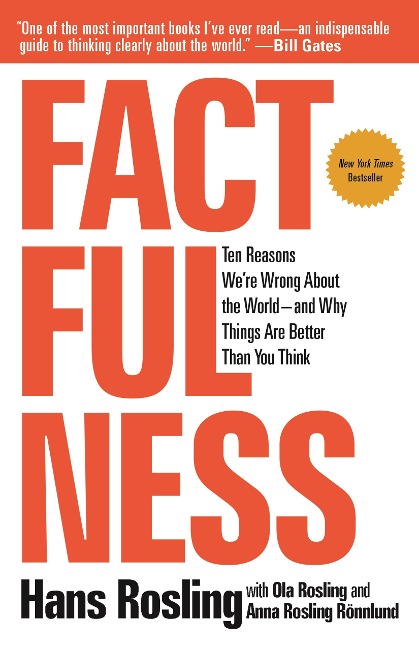
Factfulness: Ten Reasons We're Wrong About the World--and Why Things Are Better Than You Think
Ola Rosling, Anna Rosling Rönnlund, Hans Rosling
-30% with code BOOKS
In stock at our supplier
TOP
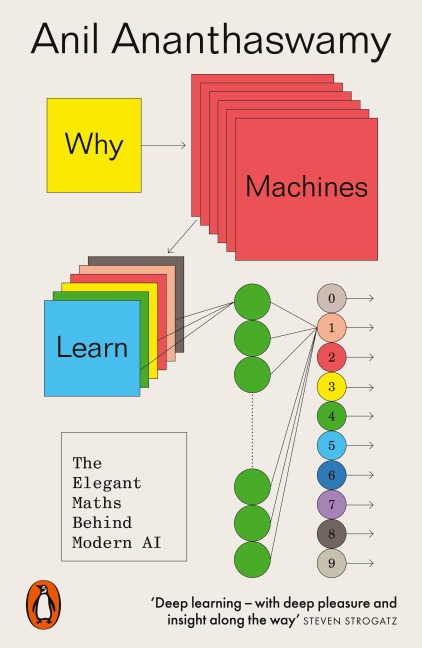
Why Machines Learn: The Elegant Maths Behind Modern AI
-30% with code BOOKS
In stock at our supplier
TOP

The Feynman Lectures on Physics. The New Millennium Edition
Matthew Sands, Robert Leighton, Richard Feynman
-30% with code BOOKS
In stock at our supplier
 TOP
TOP
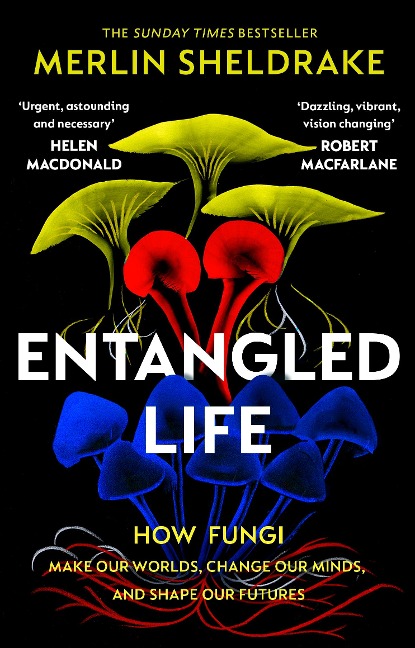
Entangled Life: How Fungi Make Our Worlds, Change Our Minds and Shape Our Futures
-30% with code BOOKS
In stock at our supplier
TOP

Life As No One Knows It: The Physics of Life's Emergence
-30% with code BOOKS
In stock at our supplier
TOP
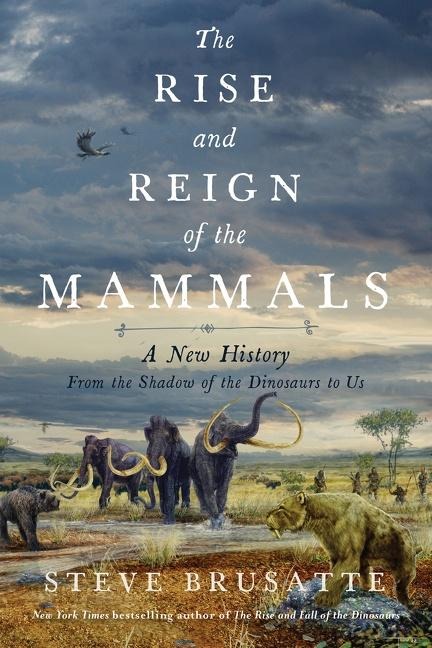
The Rise and Reign of the Mammals: A New History, from the Shadow of the Dinosaurs to Us
-30% with code BOOKS
In stock at our supplier
TOP
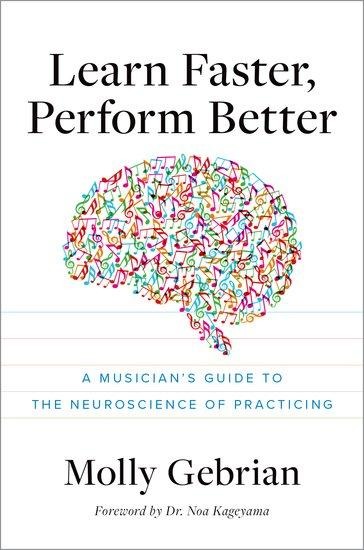
Learn Faster, Perform Better: A Musician's Guide to the Neuroscience of Practicing
-30% with code BOOKS
In stock at our supplier
TOP

Janeway's Immunobiology
Leslie J. Berg, Kenneth Murphy, Casey Weaver
-30% with code BOOKS
In stock at our supplier
Description
Chemistry was at one time completely described in terms of collision theo ry, in which one molecule collided with another, sometimes producing reac tion. Then came the realization that enzymes which are highly efficient ca talysts, work by way of prior complexation, often stereospecific, which is then followed by chemical reaction. Thus, systems that exhibit "host-guest" relationships, i.e., that show complexing are being looked at an ever in creasing frequency. The cyclodextrins are the first and probably the most important example of compounds that exhibits complex formation. This is a book about the cyclodextrins. There are of course other compounds that exhibit "host-guest" relationships and thus bind other organic molecules, but so far they have not achieved the importance of the cyclodextrins. By their name it is obvious that cyclodextrins are cyclic compounds. The complexes that they form are therefore cyclic inclusion complexes. Because the complexes are cyclic in nature, complexation can be very strong, as op posed to 1t-complex, electrostatic, or apolar complexes in which complex formation is two-dimensional rather than three-dimensional. Cyclodextrins turn out to be excellent models of enzymes. This is proba bly not fortuitous because they were first sought since it was discovered that the principal binding in the enzyme chymotrypsin was a cyclic inclusion complex. Cyclodextrins can do more than form cyclic inclusion complexes, they can catalyze as well. But catalysis always occurs after complex formation.
More Information
| Author | M. Komiyama, M. L. Bender |
|---|---|
| Publisher | Springer Berlin Heidelberg |
| Series | Reactivity and Structure: Concepts in Organic Chemistry |
| Release year | 2011 |
| Cover type | Softcover |
| EAN | 9783642668449 |