
Decoding Neural Circuit Structure and Function: Cellular Dissection Using Genetic Model Organisms -

-20% with code BOOKS
Shipping in 15-21 days
30-day return policy
This book offers representative examples from fly and mouse models to illustrate the ongoing success of the synergistic, state-of-the-art strategy, focusing on the ways it enhances our understanding of sensory processing. The authors focus on sensory systems (vision, olfaction), which are particularly powerful models for probing the development, connectivity, and function of neural circuits, to answer this ... Full description
You May Also Like
 TOP
TOP
Biology: A Global Approach, Global Edition
Neil Campbell, Rebecca Orr, Lisa Urry, Peter Minorsky, Michael Cain, Jane Reece, Steven Wasserman
-20% with code BOOKS
In stock at our supplier
TOP

Six Not-so-easy Pieces: Einstein's Relativity, Symmetry, and Space-Time
Richard P. Feynman, Robert B. Leighton, Matthew Sands
-20% with code BOOKS
In stock at our supplier
TOP

Six Easy Pieces: Essentials of Physics Explained by Its Most Brilliant Teacher
Richard P. Feynman, Robert B. Leighton, Matthew Sands
-20% with code BOOKS
In stock at our supplier
TOP
Behave: The Biology of Humans at Our Best and Worst
-20% with code BOOKS
In stock at our supplier
TOP

Determined: The Science of Life Without Free Will
-20% with code BOOKS
In stock at our supplier
TOP
Why Machines Learn: The Elegant Maths Behind Modern AI
-20% with code BOOKS
In stock at our supplier
 TOP
TOP


The Age of Alchemy: How Early Innovators Shaped Modern Chemistry
-20% with code BOOKS
In stock at our supplier
TOP

The Secrets of our DNA: How Genetics has Changed the World
-20% with code BOOKS
In stock at our supplier
TOP

Janeway's Immunobiology
Leslie J. Berg, Kenneth Murphy, Casey Weaver
-20% with code BOOKS
In stock at our supplier
TOP
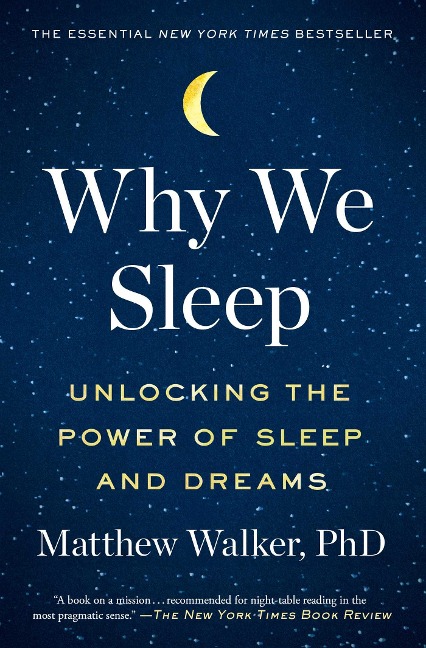
Why We Sleep: Unlocking the Power of Sleep and Dreams
-20% with code BOOKS
In stock
TOP
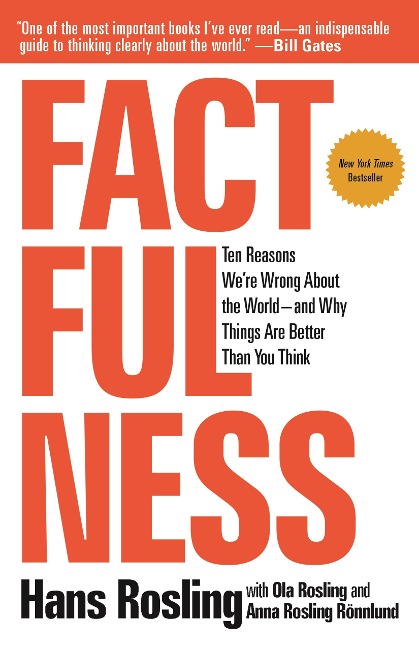
Factfulness: Ten Reasons We're Wrong About the World--and Why Things Are Better Than You Think
Ola Rosling, Anna Rosling Rönnlund, Hans Rosling
-20% with code BOOKS
In stock at our supplier
TOP

The Light Eaters: How the Unseen World of Plant Intelligence Offers a New Understanding of Life on Earth
-20% with code BOOKS
In stock at our supplier
TOP
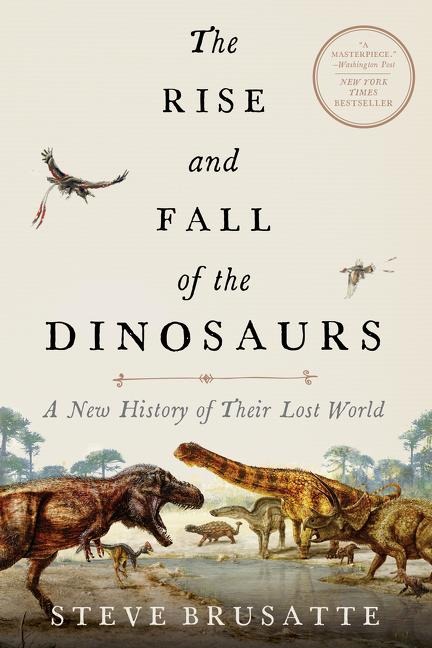
The Rise and Fall of the Dinosaurs: A New History of a Lost World
-20% with code BOOKS
In stock at our supplier
TOP
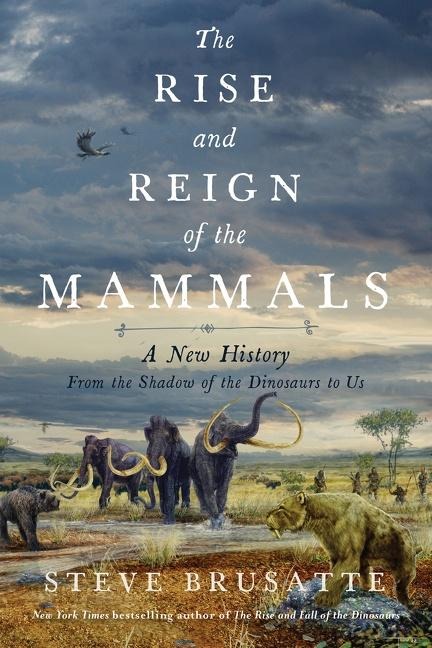
The Rise and Reign of the Mammals: A New History, from the Shadow of the Dinosaurs to Us
-20% with code BOOKS
In stock at our supplier
TOP
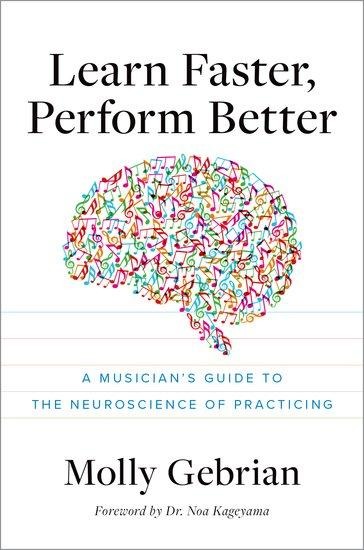
Learn Faster, Perform Better: A Musician's Guide to the Neuroscience of Practicing
-20% with code BOOKS
In stock at our supplier
TOP

Beyond Inheritance: Our Ever-Mutating Cells and a New Understanding of Health
-20% with code BOOKS
In stock at our supplier
 TOP
TOP

The Feynman Lectures on Physics. The New Millennium Edition
Matthew Sands, Robert Leighton, Richard Feynman
-20% with code BOOKS
In stock at our supplier
TOP

How to Solve it: A New Aspect of Mathematical Method
-20% with code BOOKS
In stock at our supplier
Description
This book offers representative examples from fly and mouse models to illustrate the ongoing success of the synergistic, state-of-the-art strategy, focusing on the ways it enhances our understanding of sensory processing. The authors focus on sensory systems (vision, olfaction), which are particularly powerful models for probing the development, connectivity, and function of neural circuits, to answer this question: How do individual nerve cells functionally cooperate to guide behavioral responses? Two genetically tractable species, mice and flies, together significantly further our understanding of these processes. Current efforts focus on integrating knowledge gained from three interrelated fields of research: (1) understanding how the fates of different cell types are specified during development, (2) revealing the synaptic connections between identified cell types (¿connectomics¿) using high-resolution three-dimensional circuit anatomy, and (3) causal testing of how identified circuit elements contribute to visual perception and behavior.
More Information
| Publisher | Springer Nature Switzerland |
|---|---|
| Release year | 2018 |
| Cover type | Softcover |
| EAN | 9783319861432 |