
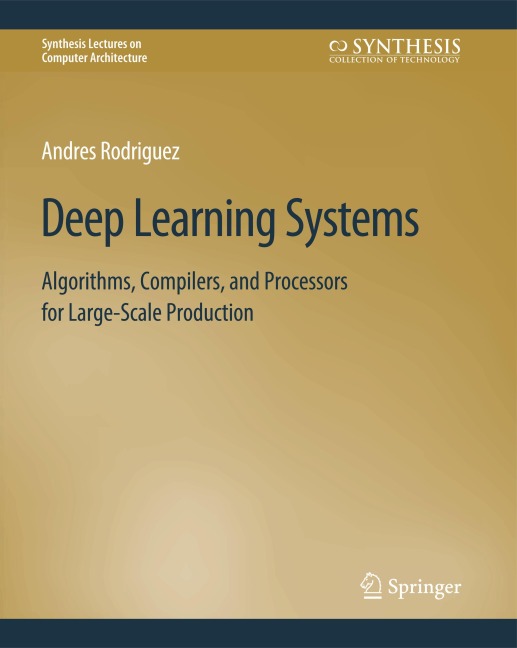
Deep Learning Systems: Algorithms, Compilers, and Processors for Large-Scale Production - Andres Rodriguez
-20% with code BOOKS
Shipping in 12-18 days
30-day return policy
This book describes deep learning systems: the algorithms, compilers, and processor components to efficiently train and deploy deep learning models for commercial applications. The exponential growth in computational power is slowing at a time when the amount of compute consumed by state-of-the-art deep learning (DL) workloads is rapidly growing. Model size, serving latency, and power constraints are a sign ... Full description
You May Also Like

 TOP
TOP
INCOSE Systems Engineering Handbook
-20% with code BOOKS
In stock at our supplier
TOP

If Anyone Builds It, Everyone Dies: The Case Against Superintelligent AI
Eliezer Yudkowsky, Nate Soares
-20% with code BOOKS
In stock at our supplier
 TOP
TOP
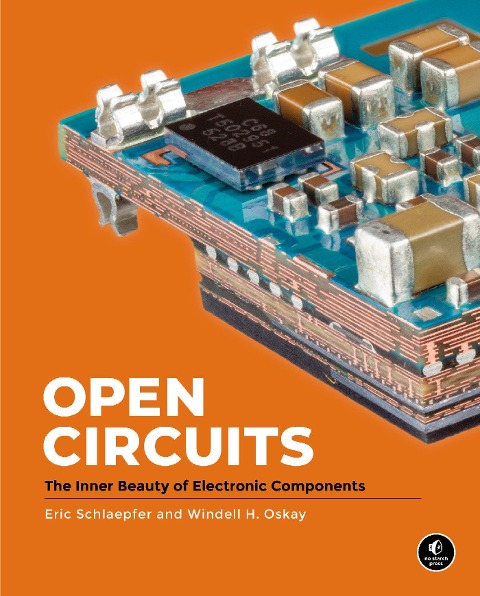
Open Circuits: The Inner Beauty of Electronic Components
Eric Schlaepfer, Windell Oskay
-20% with code BOOKS
In stock at our supplier
TOP
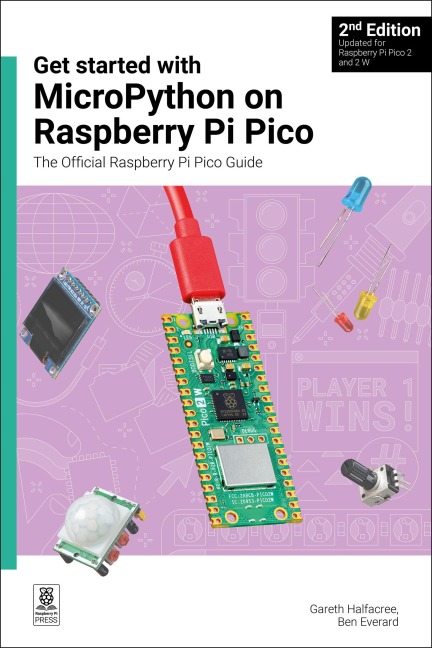
Get started with MicroPython on Raspberry Pi Pico: The Official Raspberry Pi Pico Guide
-20% with code BOOKS
In stock at our supplier
TOP


We Are Not Machines: The Fight for the Future of Work
-20% with code BOOKS
In stock at our supplier
TOP

Practical Electronics for Inventors
-20% with code BOOKS
In stock at our supplier
TOP

Nucleo Boards Programming with the STM32CubeIDE: Hands-on in more than 50 projects
-20% with code BOOKS
In stock at our supplier
TOP

Fundamentals of Aerodynamics ISE
Christopher Cadou, John D. Anderson
-20% with code BOOKS
In stock at our supplier
TOP

Black Holes: The Key to Understanding the Universe
-20% with code BOOKS
In stock at our supplier
TOP

Flowers For Algernon: A Modern Literary Classic
-20% with code BOOKS
In stock at our supplier
TOP

Human Compatible: Artificial Intelligence and the Problem of Control
-20% with code BOOKS
In stock at our supplier
TOP

How To Read Water: Clues & Patterns from Puddles to the Sea
-20% with code BOOKS
In stock at our supplier
TOP

Foundations of Flavor: The Noma Guide to Fermentation: Including Step-By-Step Information on Making and Cooking with: Koji, Kombuchas, Shoyus, Misos, Vinegars, Garums, Lacto-Ferments and black Fruits Vegetables
-20% with code BOOKS
In stock at our supplier
TOP

Make: Electronics: Learning by Discovery: A hands-on primer for the new electronics enthusiast
-20% with code BOOKS
In stock at our supplier
TOP
Data-Driven Science and Engineering: Machine Learning, Dynamical Systems, and Control
Steven L. Brunton, J. Nathan Kutz
-20% with code BOOKS
In stock at our supplier
TOP

The Idea Factory: Bell Labs and the Great Age of American Innovation
-20% with code BOOKS
In stock at our supplier
 TOP
TOP

Foundation Design and Construction
-20% with code BOOKS
In stock at our supplier
Description
This book describes deep learning systems: the algorithms, compilers, and processor components to efficiently train and deploy deep learning models for commercial applications. The exponential growth in computational power is slowing at a time when the amount of compute consumed by state-of-the-art deep learning (DL) workloads is rapidly growing. Model size, serving latency, and power constraints are a significant challenge in the deployment of DL models for many applications. Therefore, it is imperative to codesign algorithms, compilers, and hardware to accelerate advances in this field with holistic system-level and algorithm solutions that improve performance, power, and efficiency. Advancing DL systems generally involves three types of engineers: (1) data scientists that utilize and develop DL algorithms in partnership with domain experts, such as medical, economic, or climate scientists; (2) hardware designers that develop specialized hardware to accelerate the components in the DL models; and (3) performance and compiler engineers that optimize software to run more efficiently on a given hardware. Hardware engineers should be aware of the characteristics and components of production and academic models likely to be adopted by industry to guide design decisions impacting future hardware. Data scientists should be aware of deployment platform constraints when designing models. Performance engineers should support optimizations across diverse models, libraries, and hardware targets. The purpose of this book is to provide a solid understanding of (1) the design, training, and applications of DL algorithms in industry; (2) the compiler techniques to map deep learning code to hardware targets; and (3) the critical hardware features that accelerate DL systems. This book aims to facilitate co-innovation for the advancement of DL systems. It is written for engineers working in one or more of these areas who seek to understand the entire system stack in order to bettercollaborate with engineers working in other parts of the system stack. The book details advancements and adoption of DL models in industry, explains the training and deployment process, describes the essential hardware architectural features needed for today's and future models, and details advances in DL compilers to efficiently execute algorithms across various hardware targets. Unique in this book is the holistic exposition of the entire DL system stack, the emphasis on commercial applications, and the practical techniques to design models and accelerate their performance. The author is fortunate to work with hardware, software, data scientist, and research teams across many high-technology companies with hyperscale data centers. These companies employ many of the examples and methods provided throughout the book.
More Information
| Author | Andres Rodriguez |
|---|---|
| Publisher | Springer Nature Switzerland |
| Series | Synthesis Lectures on Computer Architecture |
| Release year | 2020 |
| Cover type | Softcover |
| EAN | 9783031006418 |