
Distributed System Design - Jie Wu

-20% with code BOOKS
Shipping in 17-23 days
30-day return policy
Future requirements for computing speed, system reliability, and cost-effectiveness entail the development of alternative computers to replace the traditional von Neumann organization. As computing networks come into being, one of the latest dreams is now possible - distributed computing. Distributed computing brings transparent access to as much computer power and data as the user needs for accomplishing a ... Full description
You May Also Like
 TOP
TOP

Gödel, Escher, Bach: An Eternal Golden Braid
-20% with code BOOKS
In stock at our supplier
TOP

If Anyone Builds It, Everyone Dies: Why Superhuman AI Would Kill Us All
Eliezer Yudkowsky, Nate Soares
-20% with code BOOKS
In stock at our supplier
TOP
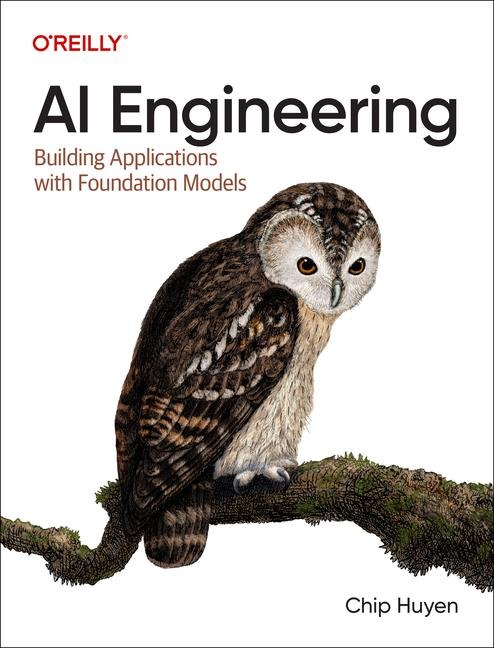
AI Engineering: Building Applications with Foundation Models
-20% with code BOOKS
In stock at our supplier
TOP
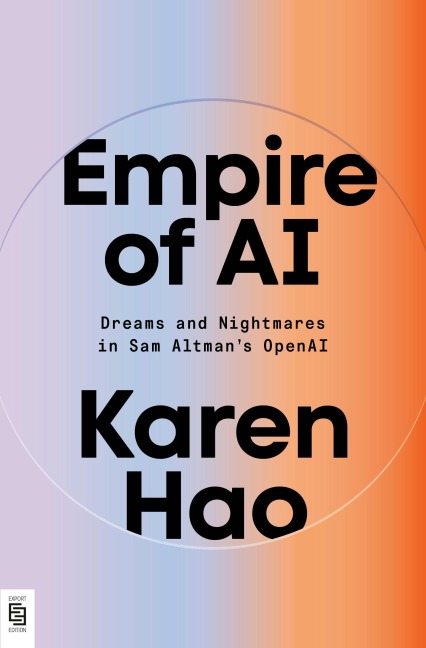
Empire of AI: Dreams and Nightmares in Sam Altman's OpenAI
-20% with code BOOKS
In stock at our supplier
TOP

The Pragmatic Programmer: journey to mastery, 20th Anniversary Edition, 2/e: your journey to mastery, 20th Anniversary Edition
-20% with code BOOKS
In stock at our supplier
TOP


The Rust Programming Language
Steve Klabnik, Carol Nichols, Chris Krycho
-20% with code BOOKS
In stock at our supplier
TOP

How To Think About AI: A Guide For The Perplexed
-20% with code BOOKS
In stock at our supplier
TOP
Slanted 47 Digital Tools: Slanted Magazine
-20% with code BOOKS
In stock at our supplier
TOP

The Web Application Hacker's Handbook: Discovering and Exploiting Security Flaws
-20% with code BOOKS
In stock at our supplier
TOP

The Art of Game Design: A Book of Lenses
-20% with code BOOKS
In stock at our supplier
TOP

How Linux Works: What Every Superuser Should Know
-20% with code BOOKS
In stock at our supplier
TOP
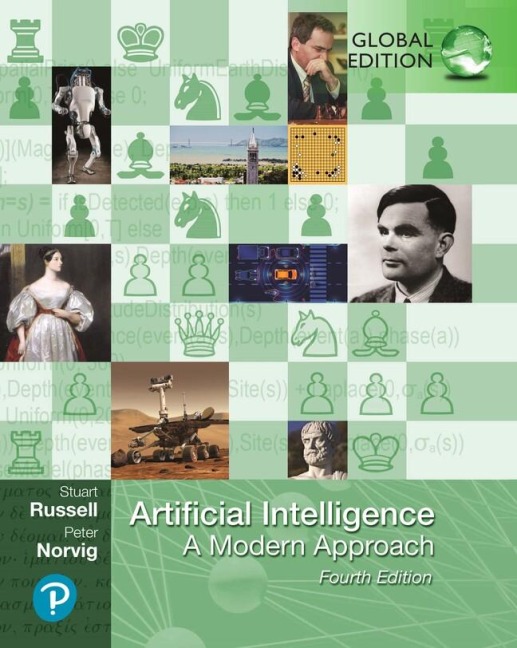
Artificial Intelligence: A Modern Approach, Global Edition
-20% with code BOOKS
In stock at our supplier
TOP

Python Crash Course: A Hands-On, Project-Based Introduction to Programming
-20% with code BOOKS
In stock at our supplier
TOP

CompTIA Security+ Certification Kit: Exam SY0-701
-20% with code BOOKS
In stock at our supplier
TOP
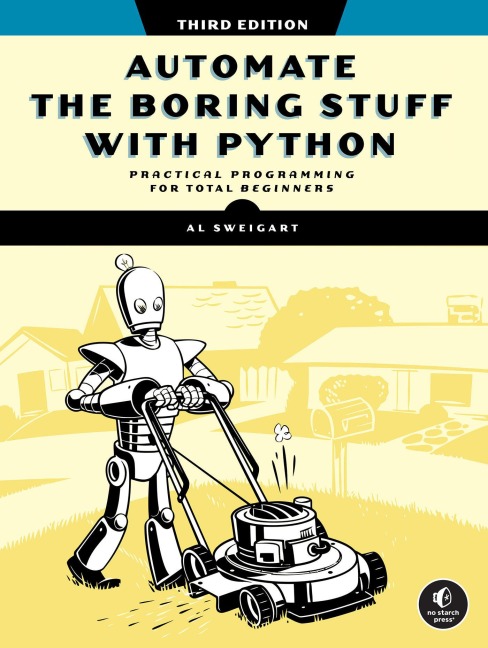
Automate the Boring Stuff with Python
-20% with code BOOKS
In stock at our supplier
TOP
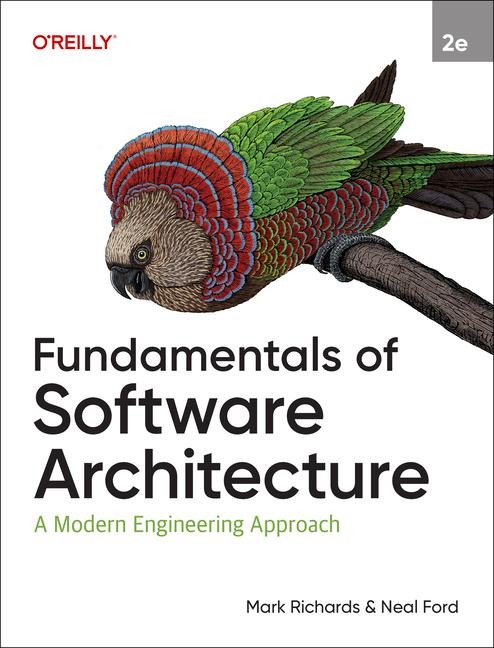
Fundamentals of Software Architecture: A Modern Engineering Approach
-20% with code BOOKS
In stock at our supplier
TOP
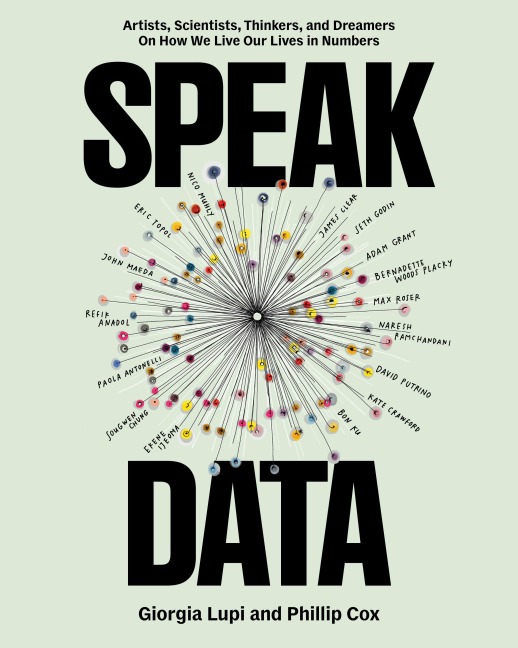
Speak Data: Artists, Scientists, Thinkers, and Dreamers on How We Live Our Lives in Numbers
-20% with code BOOKS
In stock at our supplier
TOP

Hacking: The Art of Exploitation
-20% with code BOOKS
In stock at our supplier
TOP

Linux Basics for Hackers, 2nd Edition: Getting Started with Networking, Scripting, and Security in Kali
-20% with code BOOKS
In stock at our supplier
TOP

HBR Guide to Generative AI for Managers
-20% with code BOOKS
In stock at our supplier
Description
Future requirements for computing speed, system reliability, and cost-effectiveness entail the development of alternative computers to replace the traditional von Neumann organization. As computing networks come into being, one of the latest dreams is now possible - distributed computing. Distributed computing brings transparent access to as much computer power and data as the user needs for accomplishing any given task - simultaneously achieving high performance and reliability. The subject of distributed computing is diverse, and many researchers are investigating various issues concerning the structure of hardware and the design of distributed software. Distributed System Design defines a distributed system as one that looks to its users like an ordinary system, but runs on a set of autonomous processing elements (PEs) where each PE has a separate physical memory space and the message transmission delay is not negligible. With close cooperation among these PEs, the system supports an arbitrary number of processes and dynamic extensions. Distributed System Design outlines the main motivations for building a distributed system, including: inherently distributed applications performance/cost resource sharing flexibility and extendibility availability and fault tolerance scalability Presenting basic concepts, problems, and possible solutions, this reference serves graduate students in distributed system design as well as computer professionals analyzing and designing distributed/open/parallel systems. Chapters discuss: the scope of distributed computing systems general distributed programming languages and a CSP-like distributed control description language (DCDL) expressing parallelism, interprocess communication and synchronization, and fault-tolerant design two approaches describing a distributed system: the time-space view and the interleaving view mutual exclusion and related issues, including election, bidding, and self-stabilization prevention and detection of deadlock reliability, safety, and security as well as various methods of handling node, communication, Byzantine, and software faults efficient interprocessor communication mechanisms as well as these mechanisms without specific constraints, such as adaptiveness, deadlock-freedom, and fault-tolerance virtual channels and virtual networks load distribution problems synchronization of access to shared data while supporting a high degree of concurrency