
Documentality - Maurizio Ferraris

-20% with code BOOKS
Shipping in 17-23 days
30-day return policy
This books ushers in a new way of talking about social phenomena. It develops an ontology of social objects on the basis of the claim that registration or inscription―the leaving of a trace to be called up later―is what is most fundamental to them. In doing so, it systematically organizes concepts and theories that Ferraris’spredecessors―most notably Derrida, in his project of a positive grammatology―left i ... Full description
You May Also Like
 TOP
TOP


Strangers: A Memoir of Marriage
-20% with code BOOKS
In stock at our supplier


 TOP
TOP

"Surely You're Joking, Mr. Feynman!": Adventures of a Curious Character
-20% with code BOOKS
In stock at our supplier
TOP

Devotions: The Selected Poems of Mary Oliver
-20% with code BOOKS
In stock at our supplier
TOP

The Let Them Theory: A Life-Changing Tool That Millions of People Cant Stop Talking About
-20% with code BOOKS
In stock at our supplier
 TOP
TOP
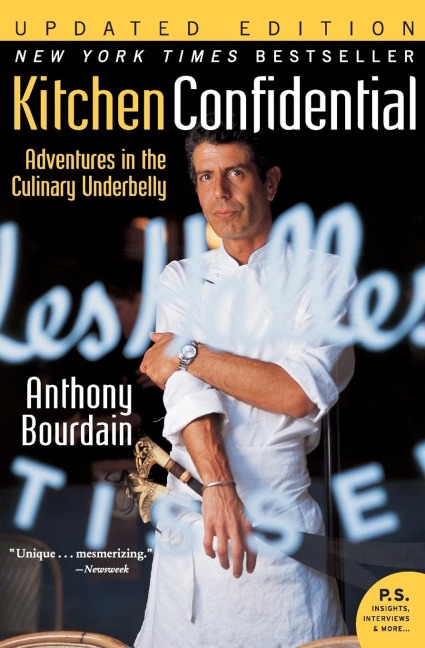
Kitchen Confidential: Adventures in the Culinary Underbelly
-20% with code BOOKS
In stock at our supplier
TOP

Ocean: Earth's Last Wilderness
David Attenborough, Colin Butfield
-20% with code BOOKS
In stock at our supplier

 TOP
TOP

CBK: Carolyn Bessette Kennedy: A Life in Fashion
-20% with code BOOKS
In stock at our supplier
TOP

Das hier ist Wasser / This is water: Anstiftung zum Denken - Zweisprachige Ausgabe (Engl. / Dt.)
-20% with code BOOKS
In stock at our supplier
TOP

Kitchen Confidential. 25th Anniversary Edition
-20% with code BOOKS
In stock at our supplier
 TOP
TOP

Entitled: The Rise and Fall of the House of York
-20% with code BOOKS
In stock at our supplier
TOP

Build: An Unorthodox Guide to Making Things Worth Making
-20% with code BOOKS
In stock at our supplier

Description
More Information
| Author | Maurizio Ferraris |
|---|---|
| Publisher | Fordham University Press |
| Release year | 2012 |
| Cover type | Hardcover |
| EAN | 9780823249688 |