
Dual Inheritance Theory: Evolution, Sociocultural evolution, Social sciences, Evolutionary psychology, Sociobiology, Observational learning -


-30% with code BOOKS
Shipping in 15-21 days
30-day return policy
Please note that the content of this book primarily consists of articles available from Wikipedia or other free sources online.Dual Inheritance Theory (DIT), also known as Gene-Culture Coevolution, was developed in the late 1970s and early 1980s to explain how human behavior is a product of two different and interacting evolutionary processes: genetic evolution and cultural evolution. DIT is a "middle-groun ... Full description
You May Also Like
 TOP
TOP

Determined: The Science of Life Without Free Will
-30% with code BOOKS
In stock at our supplier
TOP
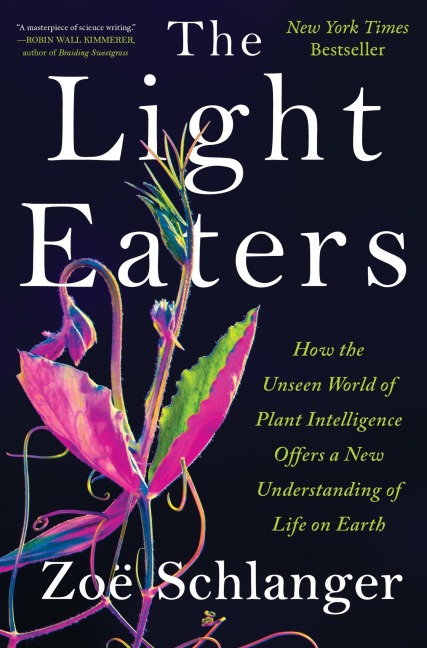
The Light Eaters: How the Unseen World of Plant Intelligence Offers a New Understanding of Life on Earth
-30% with code BOOKS
In stock at our supplier
 TOP
TOP
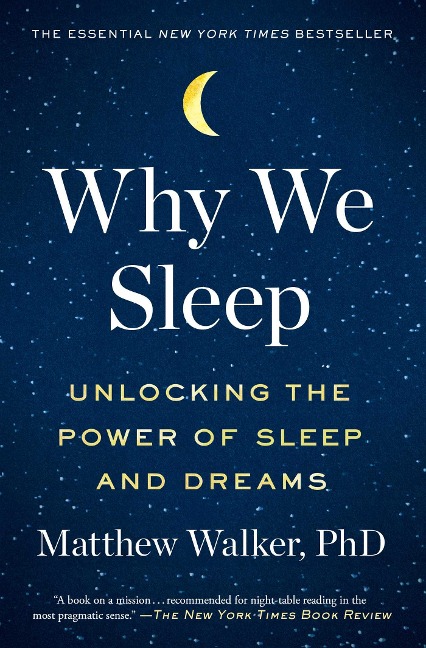
Why We Sleep: Unlocking the Power of Sleep and Dreams
-30% with code BOOKS
In stock
TOP
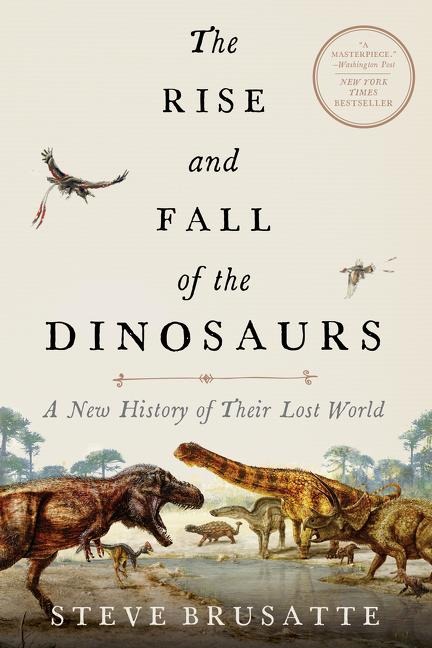
The Rise and Fall of the Dinosaurs: A New History of a Lost World
-30% with code BOOKS
In stock at our supplier
TOP
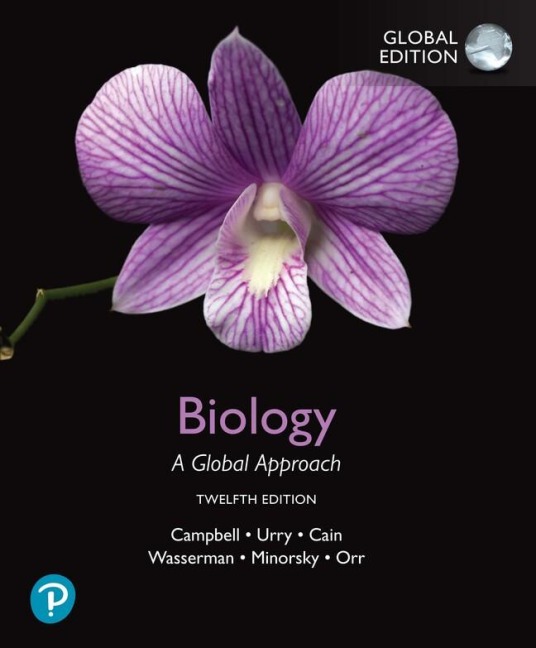
Biology: A Global Approach, Global Edition
Neil Campbell, Rebecca Orr, Lisa Urry, Peter Minorsky, Michael Cain, Jane Reece, Steven Wasserman
-30% with code BOOKS
In stock at our supplier
TOP

Six Not-so-easy Pieces: Einstein's Relativity, Symmetry, and Space-Time
Richard P. Feynman, Robert B. Leighton, Matthew Sands
-30% with code BOOKS
In stock at our supplier
TOP

Explaining AuDHD: The expert-led guide to Autism and ADHD Co-concurrence
-30% with code BOOKS
In stock at our supplier
TOP
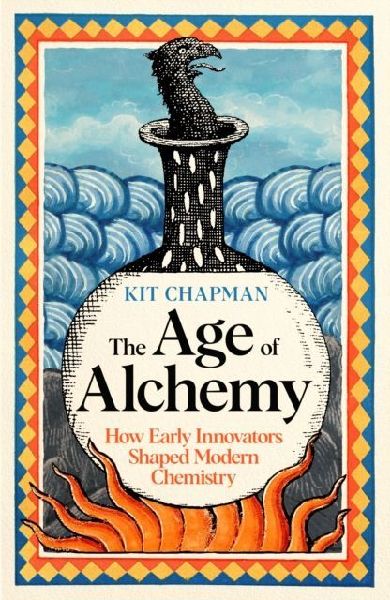
The Age of Alchemy: How Early Innovators Shaped Modern Chemistry
-30% with code BOOKS
In stock at our supplier
TOP
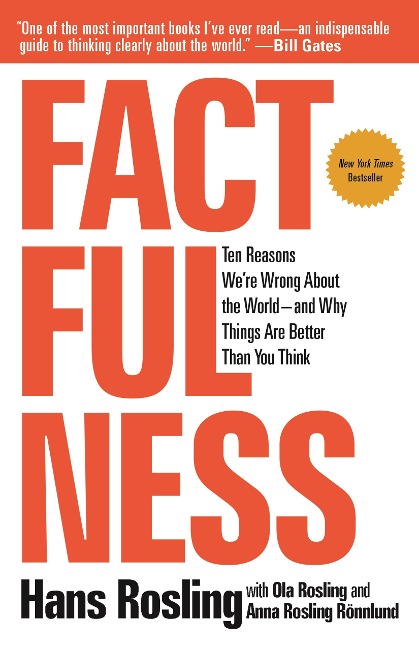
Factfulness: Ten Reasons We're Wrong About the World--and Why Things Are Better Than You Think
Ola Rosling, Anna Rosling Rönnlund, Hans Rosling
-30% with code BOOKS
In stock at our supplier
TOP
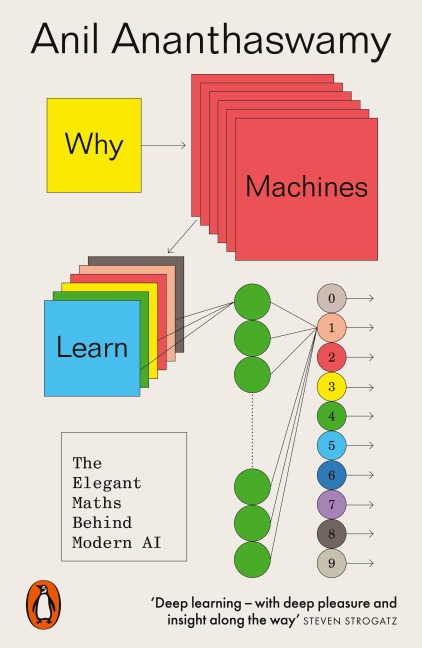
Why Machines Learn: The Elegant Maths Behind Modern AI
-30% with code BOOKS
In stock at our supplier
 TOP
TOP
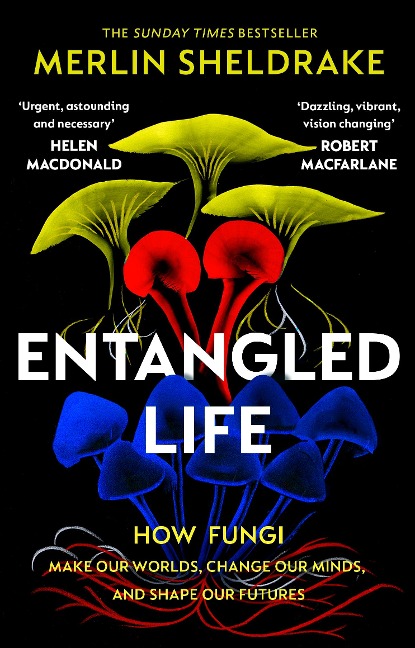
Entangled Life: How Fungi Make Our Worlds, Change Our Minds and Shape Our Futures
-30% with code BOOKS
In stock at our supplier
TOP

Life As No One Knows It: The Physics of Life's Emergence
-30% with code BOOKS
In stock at our supplier
TOP
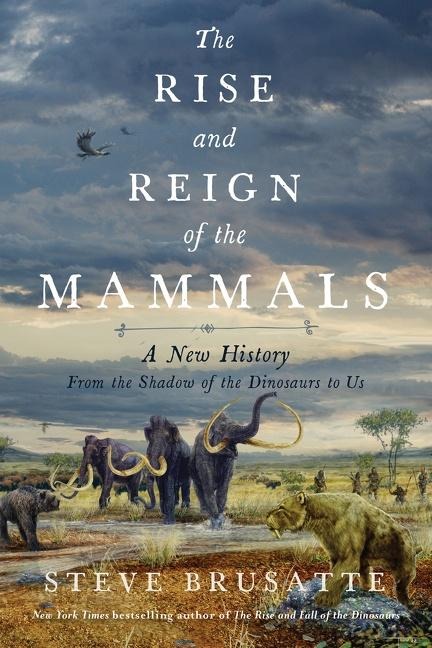
The Rise and Reign of the Mammals: A New History, from the Shadow of the Dinosaurs to Us
-30% with code BOOKS
In stock at our supplier
TOP

Molecular Biology of the Cell
David Morgan, Alexander Johnson, Rebecca Heald, Bruce Alberts, Martin Raff
-30% with code BOOKS
In stock at our supplier
TOP
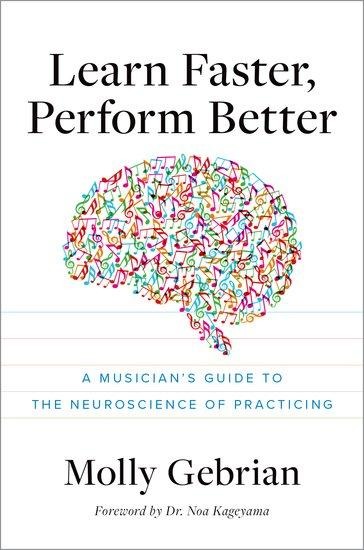
Learn Faster, Perform Better: A Musician's Guide to the Neuroscience of Practicing
-30% with code BOOKS
In stock at our supplier
TOP

Janeway's Immunobiology
Leslie J. Berg, Kenneth Murphy, Casey Weaver
-30% with code BOOKS
In stock at our supplier
TOP

The Road to Reality: A Complete Guide to the Laws of the Universe
-30% with code BOOKS
In stock at our supplier
TOP
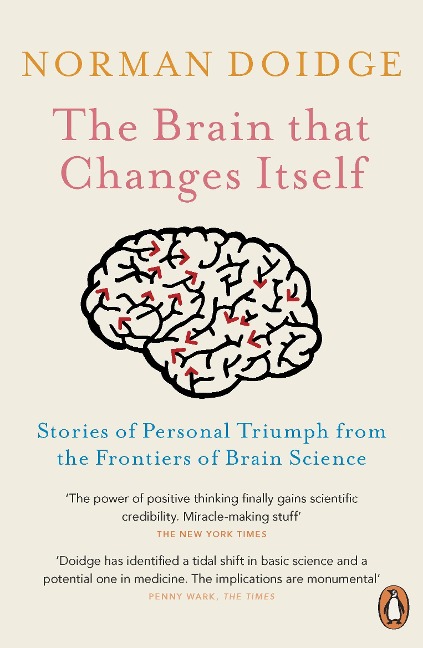
The Brain That Changes Itself: Stories of Personal Triumph from the Frontiers of Brain Science
-30% with code BOOKS
In stock at our supplier
Description
More Information
| Publisher | OmniScriptum |
|---|---|
| Release year | 2026 |
| Cover type | Softcover |
| EAN | 9786130208301 |