
Ego Sum - Jean-Luc Nancy

-20% with code BOOKS
Shipping in 17-23 days
30-day return policy
First published in 1979 but never available in English until now, Ego Sum challenges, through a careful and unprecedented reading of Descartes’s writings, the picture of Descartes as the father of modern philosophy: the thinker who founded the edifice of knowledge on the absolute self-certainty of a Subject fully transparent to itself. While other theoretical discourses, such as psychoanalysis, have also at ... Full description
You May Also Like
 TOP
TOP

How Not to Be Wrong: The Power of Mathematical Thinking
-20% with code BOOKS
In stock at our supplier
TOP

The Holy Bible - King James Version (KJV): Popular Gift & Award Black Leatherette Edition
-20% with code BOOKS
In stock at our supplier
 TOP
TOP
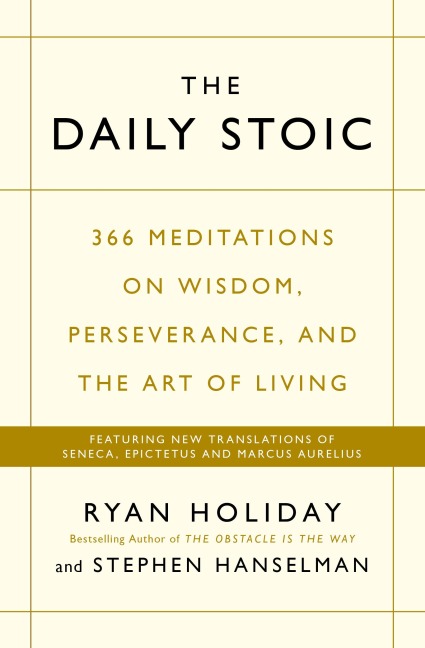
The Daily Stoic: 366 Meditations on Wisdom, Perseverance, and the Art of Living: Featuring new translations of Seneca, Epictetus, and Marcus Aurelius
Stephen Hanselman, Ryan Holiday
-20% with code BOOKS
In stock
TOP

Ikigai: The Japanese secret to a long and happy life
Francesc Miralles, Héctor García
-20% with code BOOKS
In stock
TOP

The Artist's Way: A Spiritual Path to Higher Creativity
-20% with code BOOKS
In stock at our supplier
TOP


Original Sin: The Genetics of Wrongdoing, the Problem of Blame and the Future of Forgiveness
-20% with code BOOKS
In stock at our supplier
TOP

The Art of War & Other Classics of Eastern Philosophy
Mencius, Lao-Tzu, Confucius, Sun Tzu
-20% with code BOOKS
In stock at our supplier

 TOP
TOP

The Power of Now: A Guide to Spiritual Enlightenment
-20% with code BOOKS
In stock
TOP

The Café on the Edge of the World: A Story About the Meaning of Life
-20% with code BOOKS
In stock at our supplier
 TOP
TOP

The Reed of God: Mary, Virgin and Mother
-20% with code BOOKS
In stock at our supplier
TOP
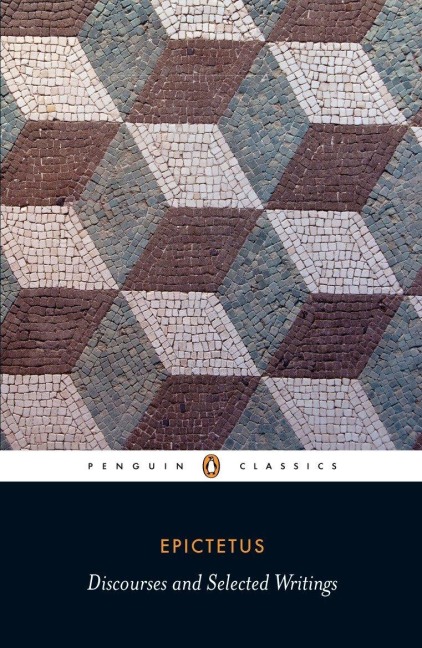
Discourses and Selected Writings
-20% with code BOOKS
In stock at our supplier
TOP

Antifragile: Things That Gain from Disorder
-20% with code BOOKS
In stock at our supplier
 TOP
TOP
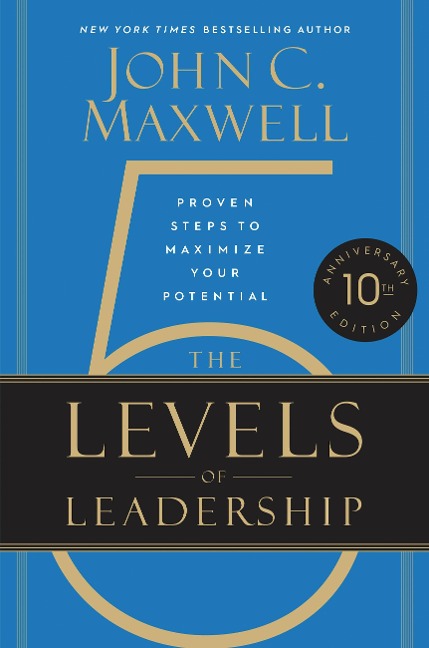
The 5 Levels of Leadership: Proven Steps to Maximize Your Potential
-20% with code BOOKS
In stock at our supplier
TOP
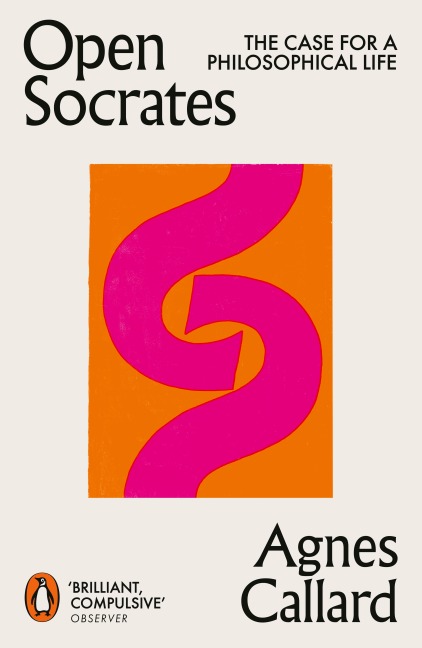
Open Socrates: The Case for a Philosophical Life
-20% with code BOOKS
In stock at our supplier
TOP

Thus Spoke Zarathustra: A Book for Everyone and No One
-20% with code BOOKS
In stock at our supplier
Description
More Information
| Author | Jean-Luc Nancy |
|---|---|
| Publisher | Fordham University Press |
| Release year | 2016 |
| Cover type | Hardcover |
| EAN | 9780823270613 |