
Elemental - Susan V. Moss

-20% with code BOOKS
Shipping in 15-21 days
30-day return policy
I have always loved Ferris wheels. I love their slow, predictable ups and downs. My younger sister always spent her midway dimes on roller coasters, the biggest she could find. She loved the speed and the surprise. This book is about a group of people who long to ride the Ferris wheel but who have been trapped for their entire lives on a roller coaster. These people have an illness of mood called Bipolar Il ... Full description
You May Also Like
 TOP
TOP
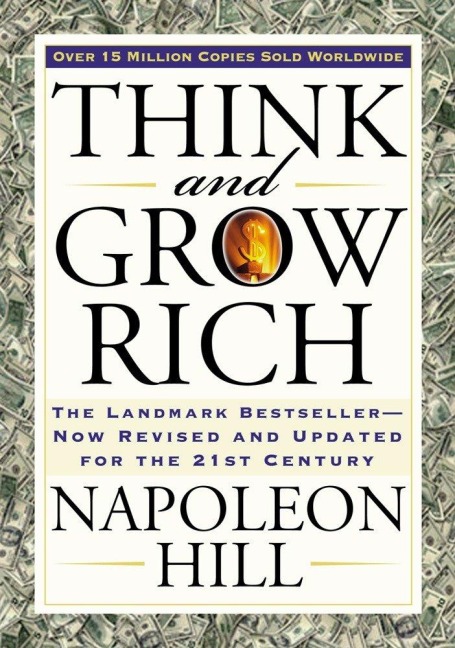
Think and Grow Rich: The Landmark Bestseller Now Revised and Updated for the 21st Century
-20% with code BOOKS
In stock at our supplier
 TOP
TOP

Rich Dad Poor Dad. 25th Anniversary Edition: What the Rich Teach Their Kids About Money That the Poor and Middle Class Do Not!
-20% with code BOOKS
In stock
 TOP
TOP
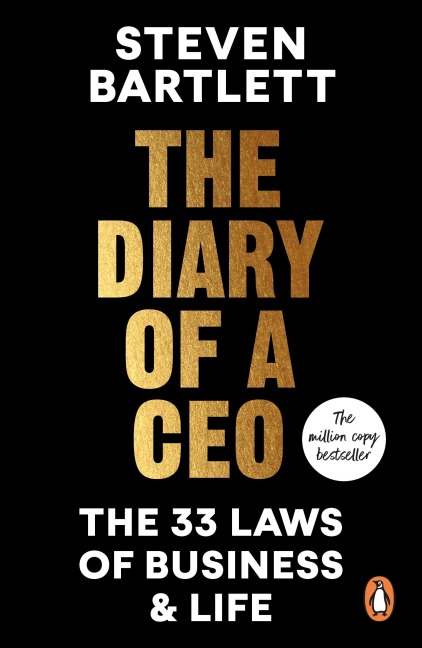
The Diary of a CEO: The 33 Laws of Business and Life
-20% with code BOOKS
In stock at our supplier
 TOP
TOP


Maintenance of Everything: Part One
-20% with code BOOKS
In stock at our supplier
TOP
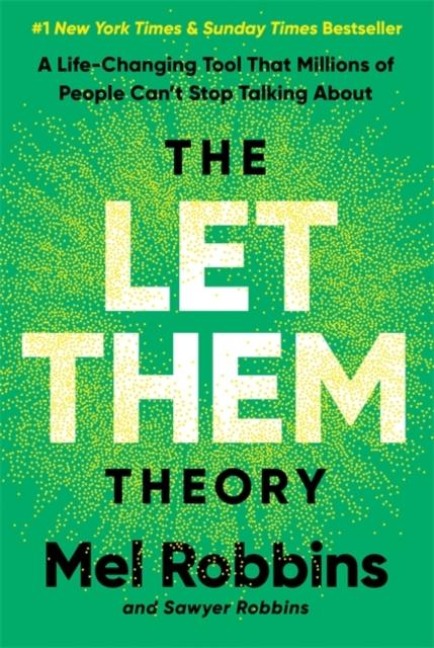
The Let Them Theory: A Life-Changing Tool That Millions of People Can't Stop Talking About
-20% with code BOOKS
In stock at our supplier
TOP
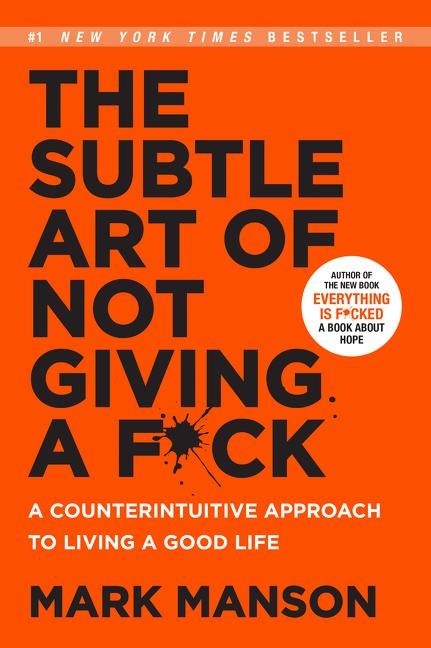
The Subtle Art of Not Giving a F*ck: A Counterintuitive Approach to Living a Good Life
-20% with code BOOKS
In stock at our supplier
TOP
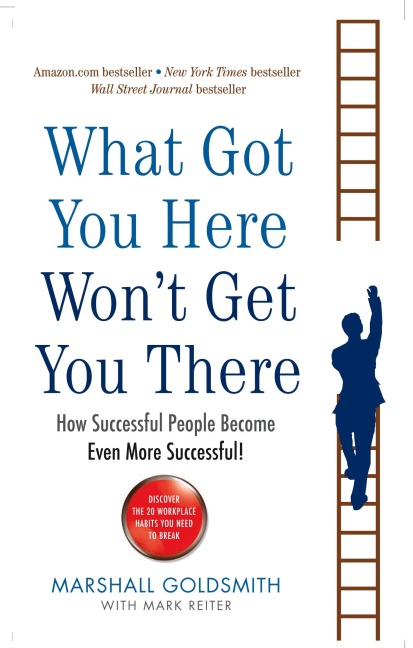
What Got You Here Won't Get You There: How successful people become even more successful
-20% with code BOOKS
In stock at our supplier
TOP

The Book You Wish Your Parents Had Read (and Your Children Will Be Glad That You Did)
-20% with code BOOKS
In stock at our supplier
 TOP
TOP

Tuesdays with Morrie: An old man, a young man, and life's greatest lesson
-20% with code BOOKS
In stock at our supplier
TOP
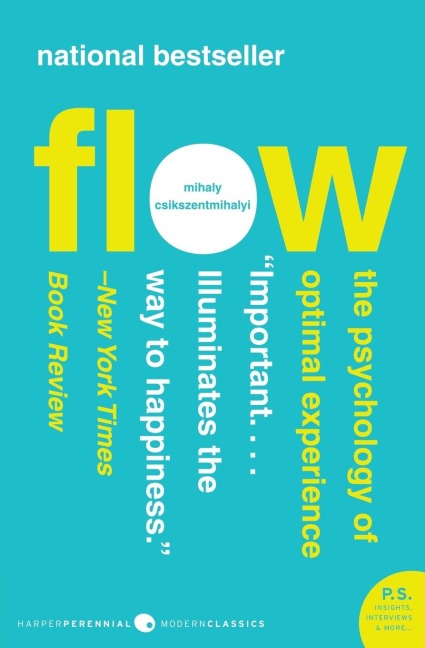
Flow: The Psychology of Optimal Experience
-20% with code BOOKS
In stock at our supplier
TOP

Hold Me Tight: Your Guide to the Most Successful Approach to Building Loving Relationships
-20% with code BOOKS
In stock at our supplier
TOP
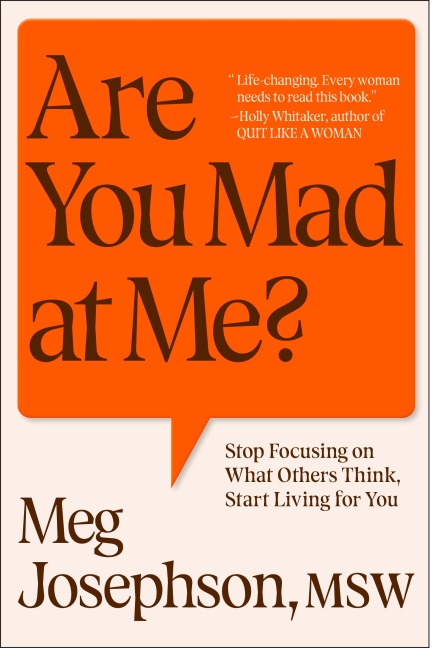
Are You Mad At Me?: How to Stop Focusing on What Others Think and Start Living for You
-20% with code BOOKS
In stock at our supplier
TOP
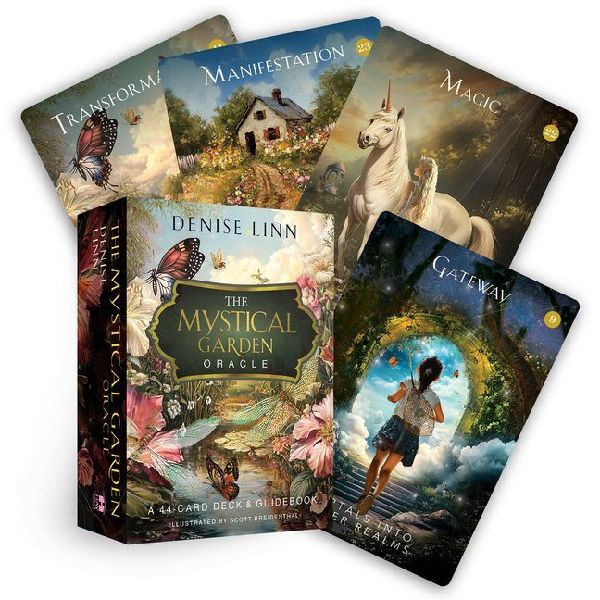
The Mystical Garden Oracle: A 44-Card Deck & Guidebook
-20% with code BOOKS
In stock at our supplier
TOP
Rich Dad's Cashflow Quadrant: Guide to Financial Freedom
-20% with code BOOKS
In stock at our supplier
TOP
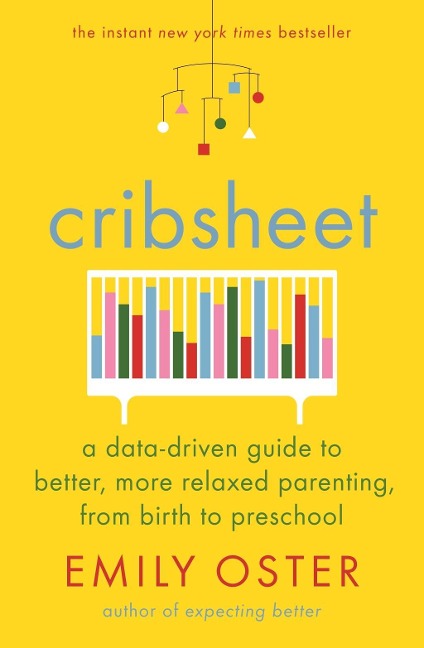
Cribsheet: A Data-Driven Guide to Better, More Relaxed Parenting, from Birth to Preschool
-20% with code BOOKS
In stock
Description
More Information
| Author | Susan V. Moss |
|---|---|
| Publisher | Xlibris |
| Release year | 2009 |
| Cover type | Softcover |
| EAN | 9781441567901 |