
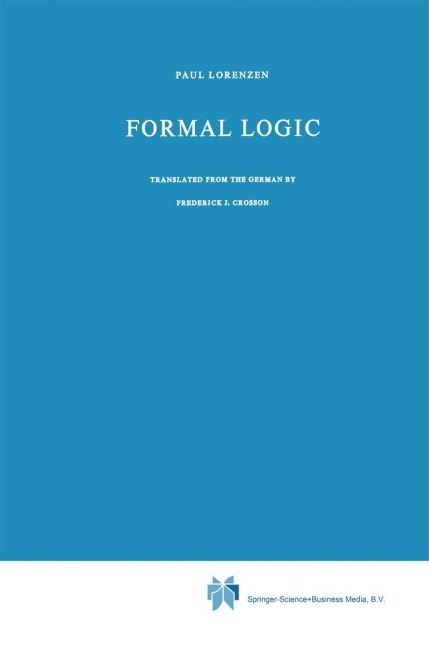
Formal Logic - P. Lorenzen
-20% with code BOOKS
Shipping in 12-18 days
30-day return policy
"Logic", one of the central words in Western intellectual history, compre hends in its meaning such diverse things as the Aristotelian syllogistic, the scholastic art of disputation, the transcendental logic of the Kantian critique, the dialectical logic of Hegel, and the mathematical logic of the Principia Mathematica of Whitehead and Russell. The term "Formal Logic", following Kant is generally used to d ... Full description
You May Also Like
 TOP
TOP
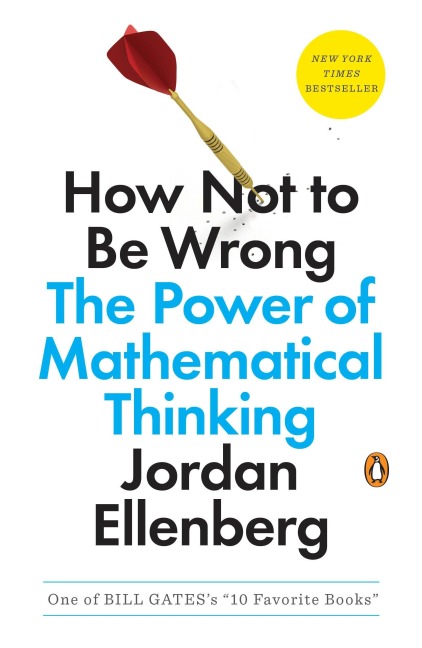
How Not to Be Wrong: The Power of Mathematical Thinking
-20% with code BOOKS
In stock at our supplier
TOP
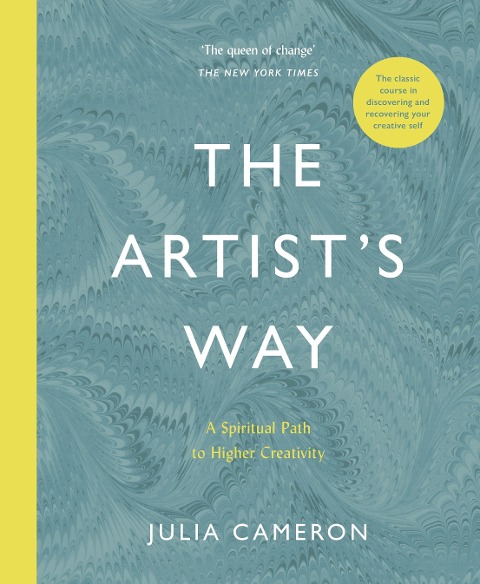
The Artist's Way: A Spiritual Path to Higher Creativity
-20% with code BOOKS
In stock at our supplier
TOP

The Power of Now: A Guide to Spiritual Enlightenment
-20% with code BOOKS
In stock
TOP
The Holy Bible - King James Version (KJV): Popular Gift & Award Black Leatherette Edition
-20% with code BOOKS
In stock at our supplier
TOP
The Daily Stoic: 366 Meditations on Wisdom, Perseverance, and the Art of Living: Featuring new translations of Seneca, Epictetus, and Marcus Aurelius
Stephen Hanselman, Ryan Holiday
-20% with code BOOKS
In stock
TOP

Ikigai: The Japanese secret to a long and happy life
Francesc Miralles, Héctor García
-20% with code BOOKS
In stock
TOP


Original Sin: The Genetics of Wrongdoing, the Problem of Blame and the Future of Forgiveness
-20% with code BOOKS
In stock at our supplier
TOP

Antifragile: Things That Gain from Disorder
-20% with code BOOKS
In stock at our supplier
TOP
The Art of War & Other Classics of Eastern Philosophy
Mencius, Lao-Tzu, Confucius, Sun Tzu
-20% with code BOOKS
In stock at our supplier

 TOP
TOP
The 5 Levels of Leadership: Proven Steps to Maximize Your Potential
-20% with code BOOKS
In stock at our supplier
TOP

The Café on the Edge of the World: A Story About the Meaning of Life
-20% with code BOOKS
In stock at our supplier
 TOP
TOP
The Reed of God: Mary, Virgin and Mother
-20% with code BOOKS
In stock at our supplier
TOP

On Happiness: Gilded Pocket Edition
-20% with code BOOKS
In stock at our supplier
 TOP
TOP
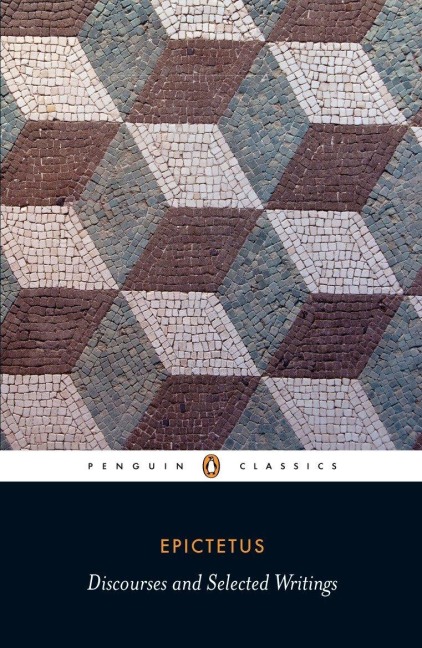
Discourses and Selected Writings
-20% with code BOOKS
In stock at our supplier
Description
"Logic", one of the central words in Western intellectual history, compre hends in its meaning such diverse things as the Aristotelian syllogistic, the scholastic art of disputation, the transcendental logic of the Kantian critique, the dialectical logic of Hegel, and the mathematical logic of the Principia Mathematica of Whitehead and Russell. The term "Formal Logic", following Kant is generally used to distinguish formal logical reasonings, precisely as formal, from the remaining universal truths based on reason. (Cf. SCHOLZ, 1931). A text-book example of a formal-logical inference which from "Some men are philosophers" and "All philosophers are wise" concludes that "Some men are wise" is called formal, because the validity of this inference depends only on the form ofthe given sentences -in particular it does not depend on the truth or falsity of these sentences. (On the dependence of logic on natural language, English, for example, compare Section 1 and 8). The form of a sentence like "Some men are philosophers", is that which remains preserved when the given predicates, here "men" and "philosophers" are replaced by arbitrary ones. The form itself can thus be represented by replacing the given predicates by variables. Variables are signs devoid of meaning, which may serve merely to indicate the place where meaningful constants (here the predicates) are to be inserted. As variables we shall use - as did Aristotle - letters, say P, Q and R, as variables for predicates.
More Information
| Author | P. Lorenzen |
|---|---|
| Publisher | Springer Netherlands |
| Series | Synthese Library |
| Release year | 2010 |
| Cover type | Softcover |
| EAN | 9789048183302 |