
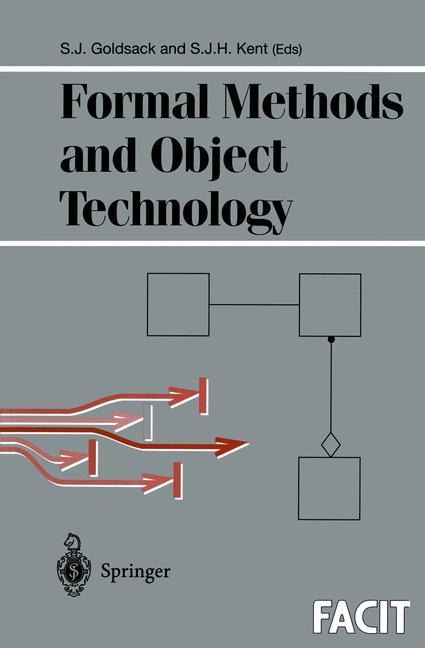
Formal Methods and Object Technology -
-20% with code BOOKS
Shipping in 12-18 days
30-day return policy
Rationale Software engineering aims to develop software by using approaches which en able large and complex program suites to be developed in a systematic way. However, it is well known that it is difficult to obtain the level of assurance of correctness required for safety critical software using old fashioned program ming techniques. The level of safety required becomes particularly high in software whi ... Full description
You May Also Like
 TOP
TOP

Gödel, Escher, Bach: An Eternal Golden Braid
-20% with code BOOKS
In stock at our supplier
 TOP
TOP

If Anyone Builds It, Everyone Dies: Why Superhuman AI Would Kill Us All
Eliezer Yudkowsky, Nate Soares
-20% with code BOOKS
In stock at our supplier
TOP
AI Engineering: Building Applications with Foundation Models
-20% with code BOOKS
In stock at our supplier
TOP
Empire of AI: Dreams and Nightmares in Sam Altman's OpenAI
-20% with code BOOKS
In stock at our supplier
TOP


The Rust Programming Language
Steve Klabnik, Carol Nichols, Chris Krycho
-20% with code BOOKS
In stock at our supplier
TOP
The Art of Game Design: A Book of Lenses
-20% with code BOOKS
In stock at our supplier
TOP
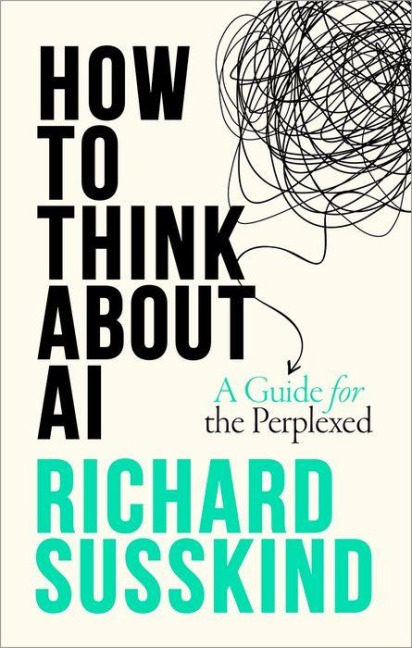
How To Think About AI: A Guide For The Perplexed
-20% with code BOOKS
In stock at our supplier
TOP
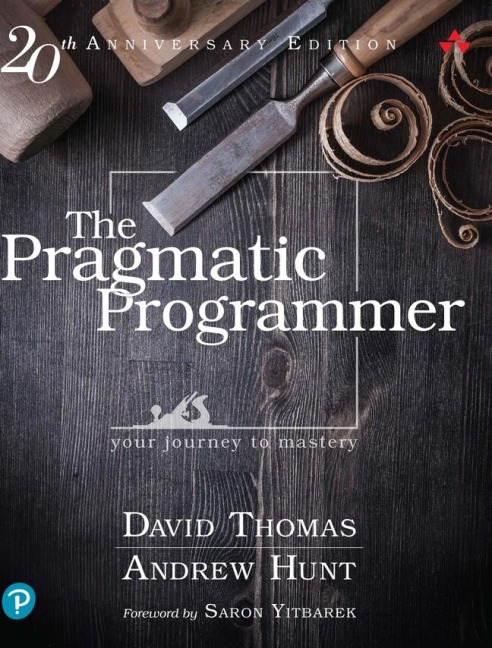
The Pragmatic Programmer: journey to mastery, 20th Anniversary Edition, 2/e: your journey to mastery, 20th Anniversary Edition
-20% with code BOOKS
In stock at our supplier
TOP
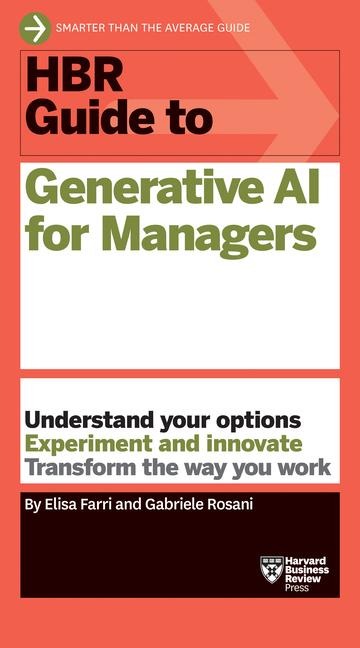
HBR Guide to Generative AI for Managers
-20% with code BOOKS
In stock at our supplier
TOP
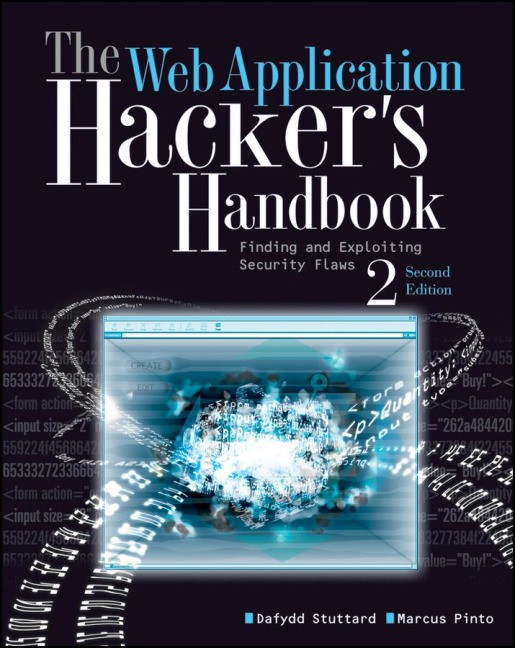
The Web Application Hacker's Handbook: Discovering and Exploiting Security Flaws
-20% with code BOOKS
Out of stock
TOP

How Linux Works: What Every Superuser Should Know
-20% with code BOOKS
In stock at our supplier
TOP
Artificial Intelligence: A Modern Approach, Global Edition
-20% with code BOOKS
In stock at our supplier
TOP
Python Crash Course: A Hands-On, Project-Based Introduction to Programming
-20% with code BOOKS
In stock at our supplier
TOP

CompTIA Security+ Certification Kit: Exam SY0-701
-20% with code BOOKS
In stock at our supplier
TOP
Fundamentals of Software Architecture: A Modern Engineering Approach
-20% with code BOOKS
In stock at our supplier
TOP
Speak Data: Artists, Scientists, Thinkers, and Dreamers on How We Live Our Lives in Numbers
-20% with code BOOKS
In stock at our supplier
TOP
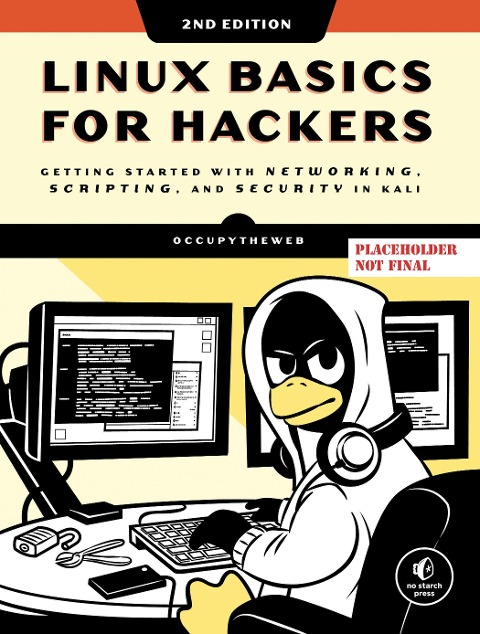
Linux Basics for Hackers, 2nd Edition: Getting Started with Networking, Scripting, and Security in Kali
-20% with code BOOKS
In stock at our supplier
TOP
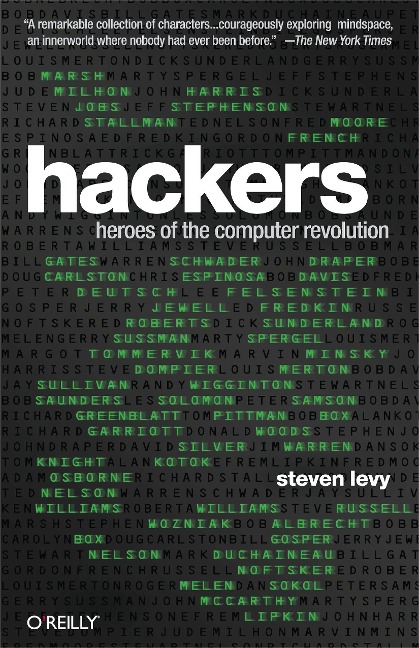
Hackers. 25th Anniversary Edition: Heroes of the Computer Revolution
-20% with code BOOKS
In stock at our supplier
TOP

Proofs from THE BOOK
Martin Aigner, Günter M. Ziegler
-20% with code BOOKS
In stock at our supplier
Description
Rationale Software engineering aims to develop software by using approaches which en able large and complex program suites to be developed in a systematic way. However, it is well known that it is difficult to obtain the level of assurance of correctness required for safety critical software using old fashioned program ming techniques. The level of safety required becomes particularly high in software which is to function without a break for long periods of time, since the software cannot be restarted and errors can accumulate. Consequently programming for mission critical systems, for example, needs to address the requirements of correctness with particular care. In the search for techniques for making software cheaper and more reliable, two important but largely independent influences have been visible in recent years. These are: ¿ Object Technology ¿ Formal Methods First, it has become evident that objects are, and will remain an important concept in software. Experimental languages of the 1970's introduced various concepts of package, cluster, module, etc. giving concrete expression to the importance of modularity and encapsulation, the construction of software com ponents hiding their state representations and algorithmic mechanisms from users, exporting only those features (mainly the procedure calling mechanisms) which were needed in order to use the objects. This gives the software com ponents a level of abstraction, separating the view of what a module does for the system from the details of how it does them.
More Information
| Publisher | Springer Berlin Heidelberg |
|---|---|
| Series | Formal Approaches to Computing and Information Technology (FACIT) |
| Release year | 1996 |
| Cover type | Softcover |
| EAN | 9783540199779 |