
How Genes Work - Lister Hill National Center for Biomedical Communications,Lister Hill National Center for Biomedic
Lister Hill National Center for Biomedical Communications, Lister Hill National Center for Biomedic

-20% with code BOOKS
Shipping in 10-16 days
30-day return policy
Most genes contain the information needed to make functional molecules called proteins. (A few genes produce other molecules that help the cell assemble proteins.) The journey from gene to protein is complex and tightly controlled within each cell. It consists of two major steps: transcription and translation. Together, transcription and translation are known as gene expression.During the process of transcr ... Full description
You May Also Like
 TOP
TOP

The Myth of Normal: Trauma, Illness, and Healing in a Toxic Culture
-20% with code BOOKS
In stock at our supplier
TOP
No Bad Parts: Healing Trauma and Restoring Wholeness with the Internal Family Systems Model
-20% with code BOOKS
In stock at our supplier
TOP

On Connection: 'Powerful' MATT HAIG
-20% with code BOOKS
In stock at our supplier
TOP
Harrison's Principles of Internal Medicine (Vol.1 & Vol.2)
Stephen Hauser, Joseph Loscalzo, Steven Holland, Dan Longo, J. Larry Jameson, Dennis Kasper, Carol Langford, Anthony Fauci
-20% with code BOOKS
In stock at our supplier
TOP
The Body Keeps the Score: Brain, Mind, and Body in the Healing of Trauma
-20% with code BOOKS
In stock at our supplier
 TOP
TOP

Maybe You Should Talk to Someone: a therapist, her thearapist, and our lives revealed
-20% with code BOOKS
In stock at our supplier
TOP

How Not To Die: Discover the foods scientifically proven to prevent and reverse disease
-20% with code BOOKS
In stock at our supplier
TOP
Lifespan: Why We Age - and Why We Don't Have To
-20% with code BOOKS
In stock at our supplier
TOP

Vademecum Metabolicum: Diagnosis and Treatment of Inborn Errors of Metabolism Forword by William L. Nyhan, San Diego, USA
Johannes Zschocke, Georg F. Hoffmann
-20% with code BOOKS
In stock at our supplier
TOP

Cellular and Molecular Immunology
Sarah Henrickson, Abul K. Abbas, Andrew H. Lichtman, Shiv Pillai
-20% with code BOOKS
In stock at our supplier
TOP

Physics, Pharmacology and Physiology for Anaesthetists: Key Concepts for the FRCA
Matthew E. Cross, Emma V. E. Plunkett
-20% with code BOOKS
In stock at our supplier
TOP
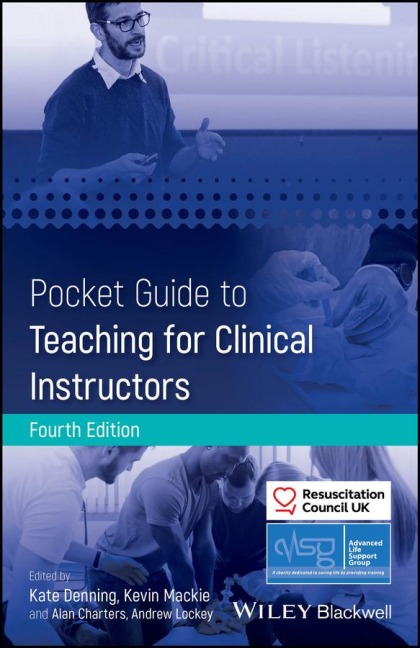
Pocket Guide to Teaching for Clinical Instructors
-20% with code BOOKS
In stock at our supplier
TOP

Oxford Handbook of Critical Care
Andrew Webb, Mervyn Singer, Alice Carter
-20% with code BOOKS
In stock at our supplier
TOP

The Wills Eye Manual: Print + eBook with Multimedia: Office and Emergency Room Diagnosis and Treatment of Eye Disease
-20% with code BOOKS
In stock at our supplier
TOP


Who Deserves Your Love: How to Create Boundaries to Start, Strengthen or End Any Relationship
-20% with code BOOKS
In stock at our supplier
TOP
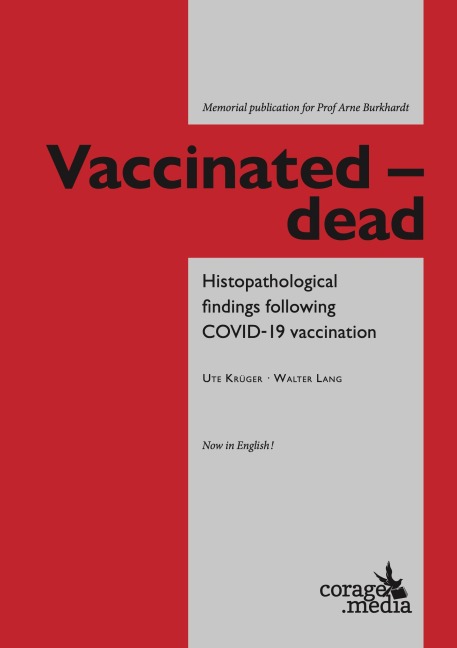
Vaccinated - dead: Histopathological findings following COVID-19 vaccination
-20% with code BOOKS
In stock at our supplier
TOP

Nine Months That Count Forever: How your pregnancy diet shapes your baby's future
-20% with code BOOKS
In stock at our supplier
TOP

Steal Like an Artist: 10 Things Nobody Told You About Being Creative
-20% with code BOOKS
In stock at our supplier
TOP
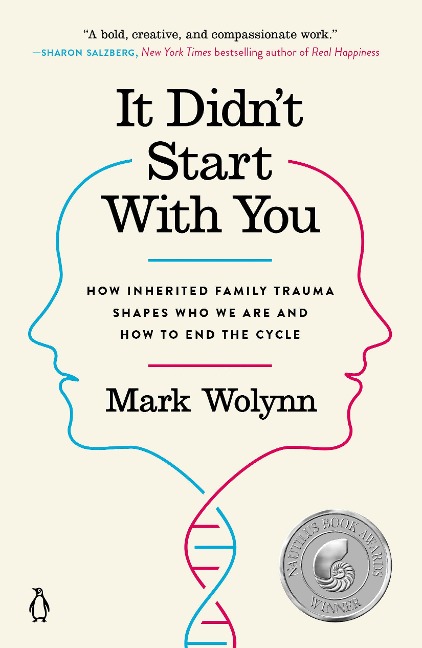
It Didn't Start with You: How Inherited Family Trauma Shapes Who We Are and How to End the Cycle
-20% with code BOOKS
In stock at our supplier
Description
More Information
| Author | Lister Hill National Center for Biomedical Communications, Lister Hill National Center for Biomedic |
|---|---|
| Publisher | CreateSpace Independent Publishing Platform |
| Release year | 2016 |
| Cover type | Softcover |
| EAN | 9781540791276 |