
Kant - Paul Guyer

-20% with code BOOKS
Shipping in 15-21 days
30-day return policy
In this updated edition of his outstanding introduction to Kant, Paul Guyer uses Kant’s central conception of autonomy as the key to his thought.Beginning with a helpful overview of Kant’s life and times, Guyer introduces Kant’s metaphysics and epistemology, carefully explaining his arguments about the nature of space, time and experience in his most influential but difficult work, The Critique of Pure Reas ... Full description
You May Also Like
 TOP
TOP

How Not to Be Wrong: The Power of Mathematical Thinking
-20% with code BOOKS
In stock at our supplier
TOP

The Holy Bible - King James Version (KJV): Popular Gift & Award Black Leatherette Edition
-20% with code BOOKS
In stock at our supplier
 TOP
TOP
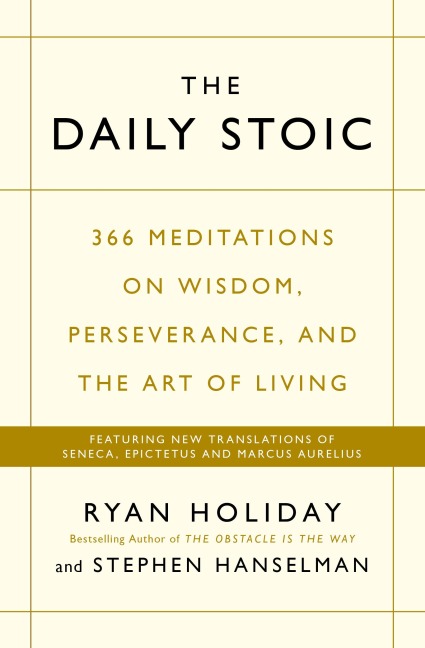
The Daily Stoic: 366 Meditations on Wisdom, Perseverance, and the Art of Living: Featuring new translations of Seneca, Epictetus, and Marcus Aurelius
Stephen Hanselman, Ryan Holiday
-20% with code BOOKS
In stock
TOP

Ikigai: The Japanese secret to a long and happy life
Francesc Miralles, Héctor García
-20% with code BOOKS
In stock
TOP

The Artist's Way: A Spiritual Path to Higher Creativity
-20% with code BOOKS
In stock at our supplier
TOP


Original Sin: The Genetics of Wrongdoing, the Problem of Blame and the Future of Forgiveness
-20% with code BOOKS
In stock at our supplier
TOP

The Art of War & Other Classics of Eastern Philosophy
Mencius, Lao-Tzu, Confucius, Sun Tzu
-20% with code BOOKS
In stock at our supplier

 TOP
TOP

The Power of Now: A Guide to Spiritual Enlightenment
-20% with code BOOKS
In stock
TOP

The Café on the Edge of the World: A Story About the Meaning of Life
-20% with code BOOKS
In stock at our supplier
 TOP
TOP

The Reed of God: Mary, Virgin and Mother
-20% with code BOOKS
In stock at our supplier
TOP

On Happiness: Gilded Pocket Edition
-20% with code BOOKS
In stock at our supplier
TOP

On the Shortness of Life: Life is long if you know how to use it
-20% with code BOOKS
Out of stock
TOP

Discourses and Selected Writings
-20% with code BOOKS
In stock at our supplier
TOP

Antifragile: Things That Gain from Disorder
-20% with code BOOKS
In stock at our supplier
 TOP
TOP
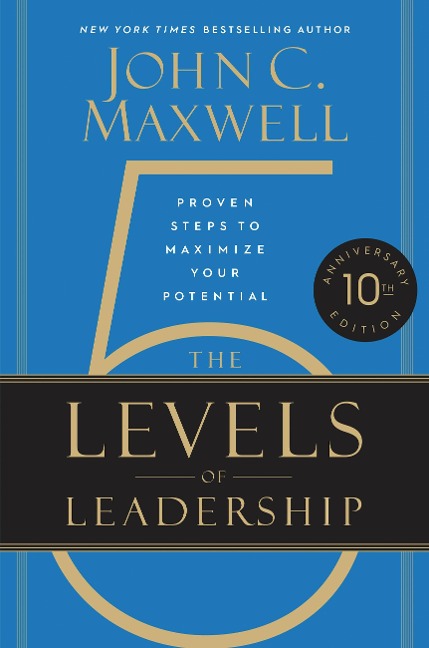
The 5 Levels of Leadership: Proven Steps to Maximize Your Potential
-20% with code BOOKS
In stock at our supplier
Description
More Information
| Author | Paul Guyer |
|---|---|
| Publisher | Routledge |
| Release year | 2014 |
| Cover type | Softcover |
| EAN | 9780415843454 |