
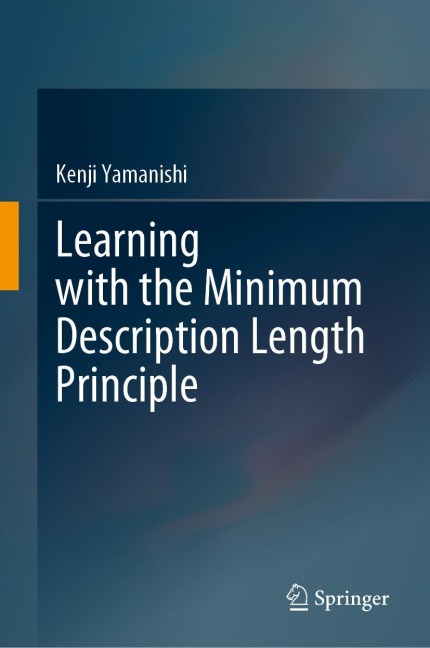
Learning with the Minimum Description Length Principle - Kenji Yamanishi
-20% with code BOOKS
Shipping in 17-23 days
30-day return policy
This book introduces readers to the minimum description length (MDL) principle and its applications in learning. The MDL is a fundamental principle for inductive inference, which is used in many applications including statistical modeling, pattern recognition and machine learning. At its core, the MDL is based on the premise that ¿the shortest code length leads to the best strategy for learning anything fro ... Full description
You May Also Like
 TOP
TOP

If Anyone Builds It, Everyone Dies: Why Superhuman AI Would Kill Us All
Eliezer Yudkowsky, Nate Soares
-20% with code BOOKS
In stock at our supplier
 TOP
TOP

How To Think About AI: A Guide For The Perplexed
-20% with code BOOKS
In stock at our supplier
TOP

Gödel, Escher, Bach: An Eternal Golden Braid
-20% with code BOOKS
In stock at our supplier
TOP
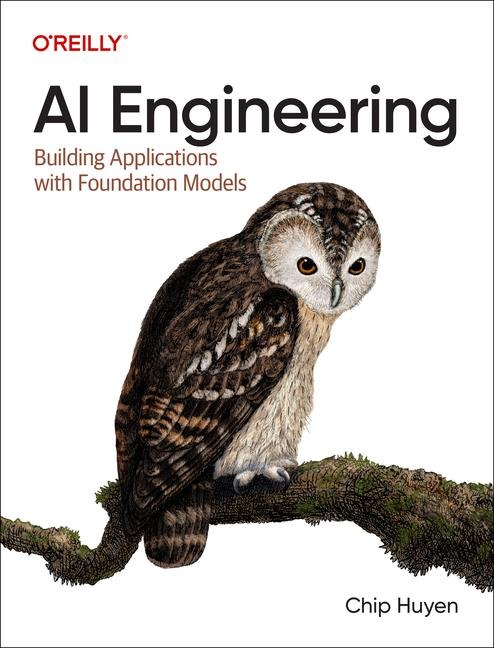
AI Engineering: Building Applications with Foundation Models
-20% with code BOOKS
In stock at our supplier
TOP

Empire of AI: Dreams and Nightmares in Sam Altman's OpenAI
-20% with code BOOKS
In stock at our supplier
TOP


The Rust Programming Language
Steve Klabnik, Carol Nichols, Chris Krycho
-20% with code BOOKS
In stock at our supplier
TOP

The Art of Game Design: A Book of Lenses
-20% with code BOOKS
In stock at our supplier
TOP

The Pragmatic Programmer: journey to mastery, 20th Anniversary Edition, 2/e: your journey to mastery, 20th Anniversary Edition
-20% with code BOOKS
In stock at our supplier
TOP

Python Crash Course: A Hands-On, Project-Based Introduction to Programming
-20% with code BOOKS
In stock at our supplier
TOP

HBR Guide to Generative AI for Managers
-20% with code BOOKS
In stock at our supplier
TOP

How to Talk to AI: (And How Not To)
-20% with code BOOKS
In stock at our supplier
TOP

Hackers. 25th Anniversary Edition: Heroes of the Computer Revolution
-20% with code BOOKS
In stock at our supplier
TOP

How Linux Works: What Every Superuser Should Know
-20% with code BOOKS
In stock at our supplier
TOP
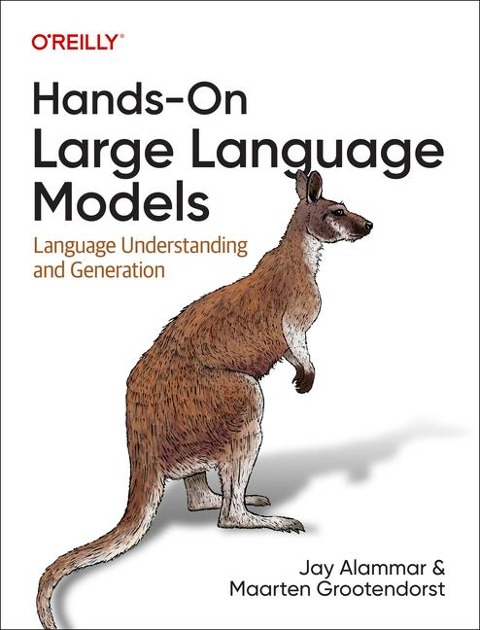
Hands-On Large Language Models: Language Understanding and Generation
Maarten Grootendorst, Jay Alammar
-20% with code BOOKS
In stock at our supplier
TOP

Fundamentals of Software Architecture: A Modern Engineering Approach
-20% with code BOOKS
In stock at our supplier
TOP
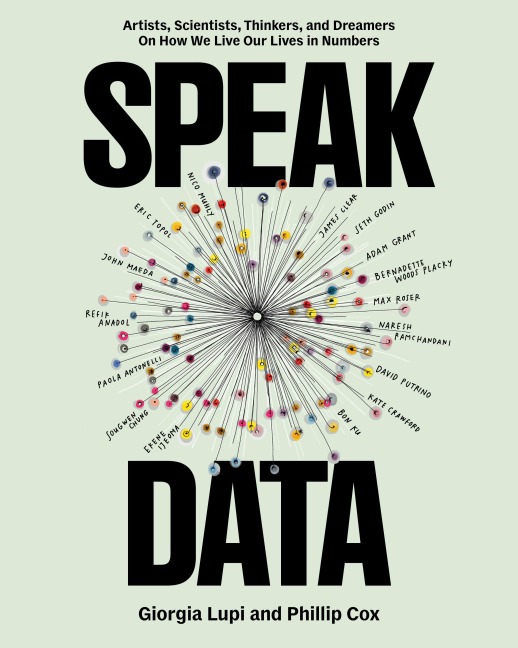
Speak Data: Artists, Scientists, Thinkers, and Dreamers on How We Live Our Lives in Numbers
-20% with code BOOKS
In stock at our supplier
TOP

World of Warcraft Chronicle, Volume 2
-20% with code BOOKS
In stock at our supplier
TOP

Linux Basics for Hackers, 2nd Edition: Getting Started with Networking, Scripting, and Security in Kali
-20% with code BOOKS
In stock at our supplier
TOP

Deep Learning: Foundations and Concepts
Christopher M. Bishop, Hugh Bishop
-20% with code BOOKS
In stock at our supplier
Description
This book introduces readers to the minimum description length (MDL) principle and its applications in learning. The MDL is a fundamental principle for inductive inference, which is used in many applications including statistical modeling, pattern recognition and machine learning. At its core, the MDL is based on the premise that ¿the shortest code length leads to the best strategy for learning anything from data.¿ The MDL provides a broad and unifying view of statistical inferences such as estimation, prediction and testing and, of course, machine learning. The content covers the theoretical foundations of the MDL and broad practical areas such as detecting changes and anomalies, problems involving latent variable models, and high dimensional statistical inference, among others. The book offers an easy-to-follow guide to the MDL principle, together with other information criteria, explaining the differences between their standpoints. Written in a systematic, concise and comprehensive style, this book is suitable for researchers and graduate students of machine learning, statistics, information theory and computer science.
More Information
| Author | Kenji Yamanishi |
|---|---|
| Publisher | Springer Nature Singapore |
| Release year | 2023 |
| Cover type | Hardcover |
| EAN | 9789819917891 |