
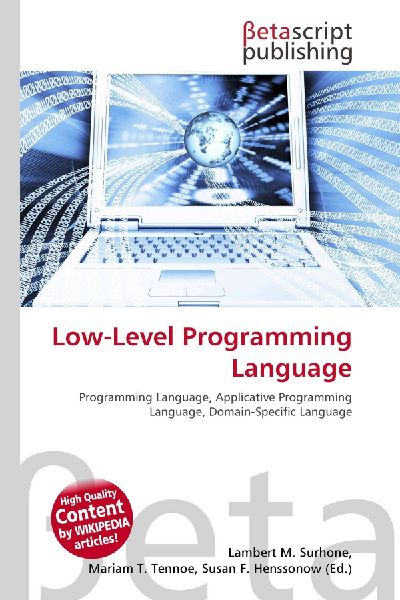
Low-Level Programming Language: Programming Language, Applicative Programming Language, Domain-Specific Language -

-20% with code BOOKS
Shipping in 15-21 days
30-day return policy
Please note that the content of this book primarily consists of articles available from Wikipedia or other free sources online. In computer science, a low-level programming language is a programming language that provides little or no abstraction from a computer's instruction set architecture. The word "low" refers to the small or nonexistent amount of abstraction between the language and machine language; ... Full description
You May Also Like
 TOP
TOP

Gödel, Escher, Bach: An Eternal Golden Braid
-20% with code BOOKS
In stock at our supplier
TOP
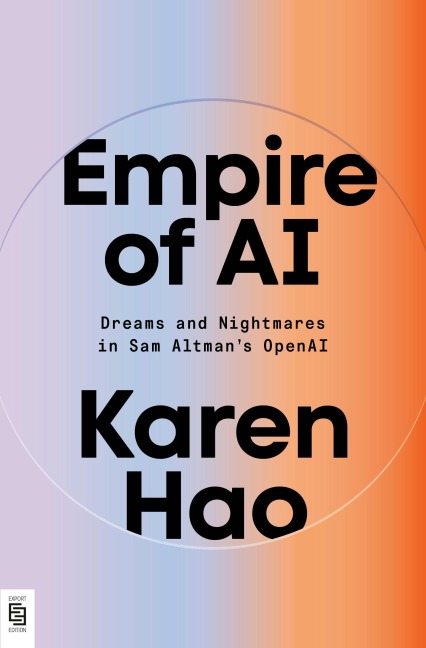
Empire of AI: Dreams and Nightmares in Sam Altmans OpenAI
-20% with code BOOKS
In stock at our supplier
TOP
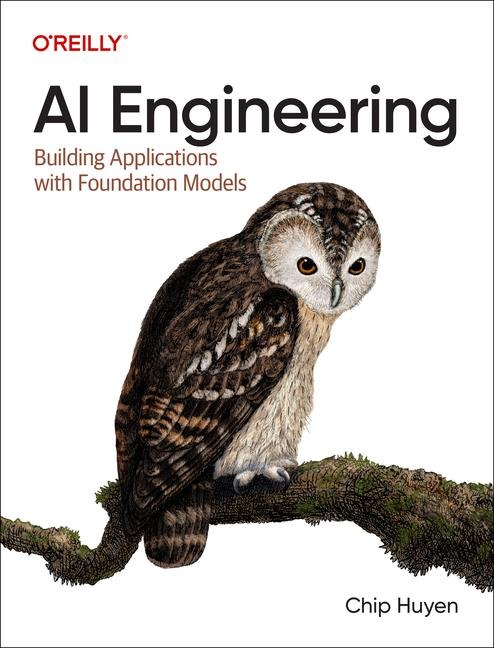
AI Engineering: Building Applications with Foundation Models
-20% with code BOOKS
In stock at our supplier
TOP
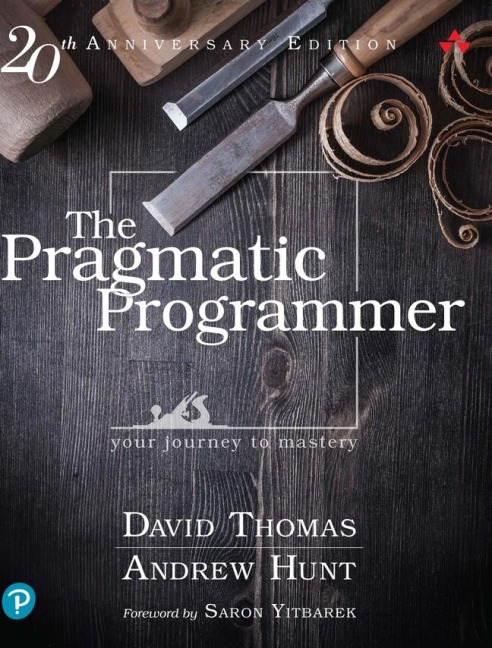
The Pragmatic Programmer: journey to mastery, 20th Anniversary Edition, 2/e: your journey to mastery, 20th Anniversary Edition
-20% with code BOOKS
In stock at our supplier
TOP

The Rust Programming Language
Steve Klabnik, Carol Nichols, Chris Krycho
-20% with code BOOKS
In stock at our supplier
TOP

How Linux Works: What Every Superuser Should Know
-20% with code BOOKS
In stock at our supplier
TOP
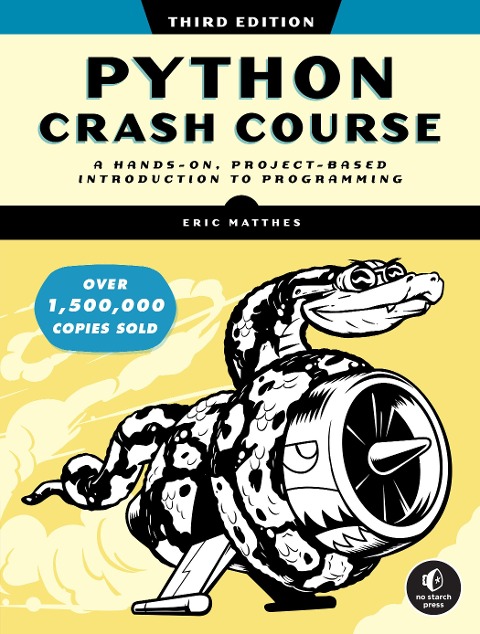
Python Crash Course: A Hands-On, Project-Based Introduction to Programming
-20% with code BOOKS
In stock at our supplier
TOP
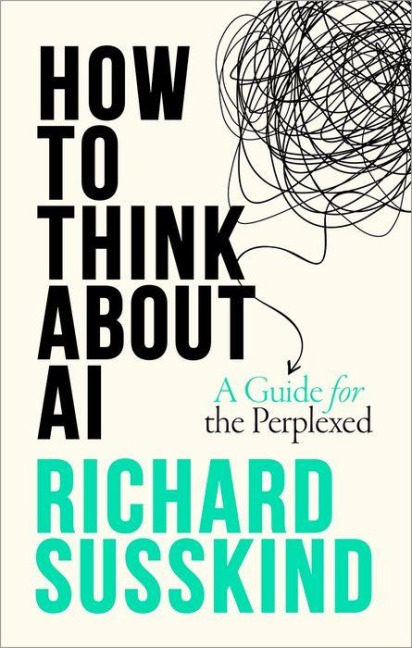
How To Think About AI: A Guide For The Perplexed
-20% with code BOOKS
In stock at our supplier
 TOP
TOP
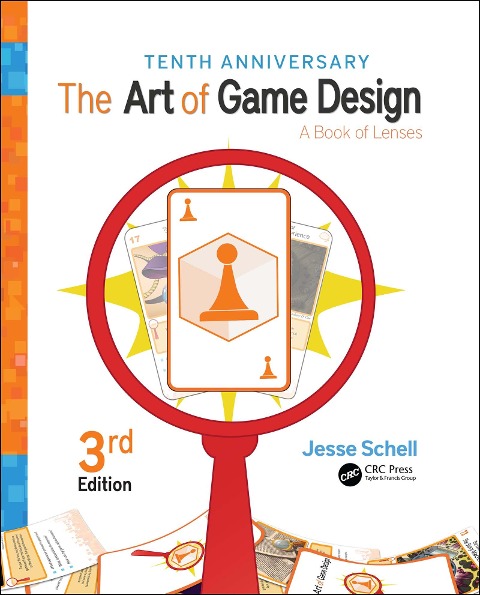
The Art of Game Design: A Book of Lenses
-20% with code BOOKS
In stock at our supplier
TOP
Artificial Intelligence: A Modern Approach, Global Edition
-20% with code BOOKS
In stock at our supplier
TOP
CompTIA Security+ Certification Kit: Exam SY0-701
-20% with code BOOKS
In stock at our supplier
TOP
Automate the Boring Stuff with Python
-20% with code BOOKS
In stock at our supplier
TOP
Fundamentals of Software Architecture: A Modern Engineering Approach
-20% with code BOOKS
In stock at our supplier
TOP
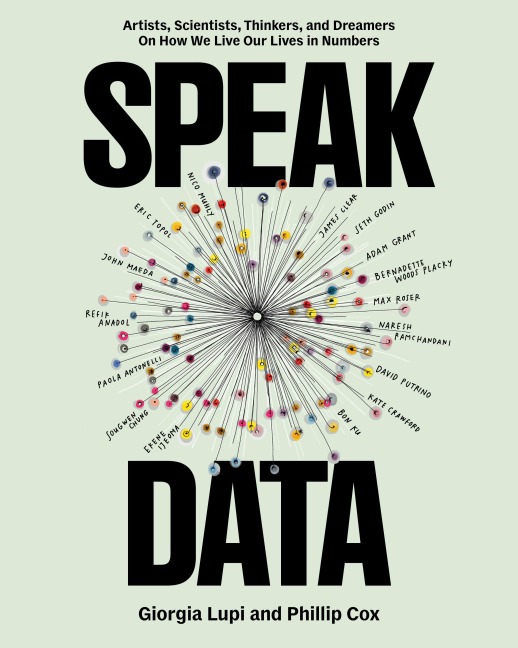
Speak Data: Artists, Scientists, Thinkers, and Dreamers on How We Live Our Lives in Numbers
-20% with code BOOKS
In stock at our supplier
TOP

Hacking: The Art of Exploitation
-20% with code BOOKS
In stock at our supplier
TOP
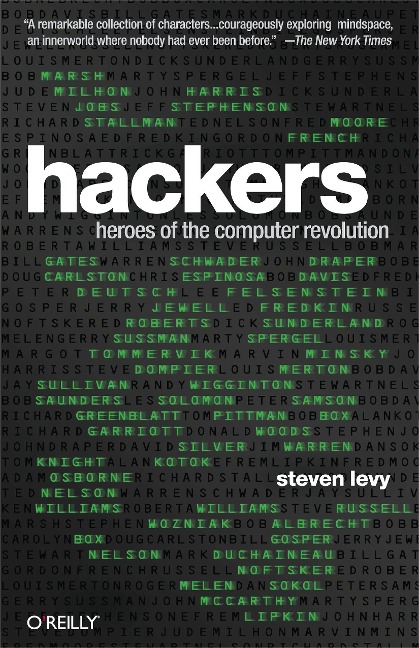
Hackers. 25th Anniversary Edition: Heroes of the Computer Revolution
-20% with code BOOKS
In stock at our supplier
TOP

Deep Learning
Ian Goodfellow, Yoshua Bengio, Aaron Courville
-20% with code BOOKS
In stock at our supplier
TOP

Proofs from THE BOOK
Martin Aigner, Günter M. Ziegler
-20% with code BOOKS
In stock at our supplier
TOP
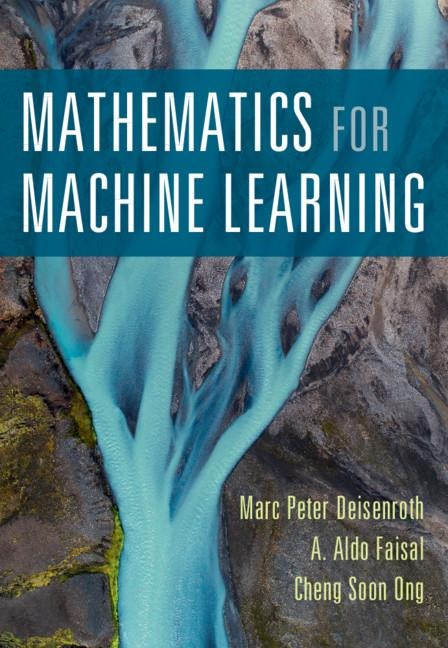
Mathematics for Machine Learning
Cheng Soon Ong, A. Aldo Faisal, Marc Peter Deisenroth
-20% with code BOOKS
In stock at our supplier
Description
More Information
| Publisher | OmniScriptum |
|---|---|
| Release year | 2026 |
| Cover type | Softcover |
| EAN | 9786133175235 |