
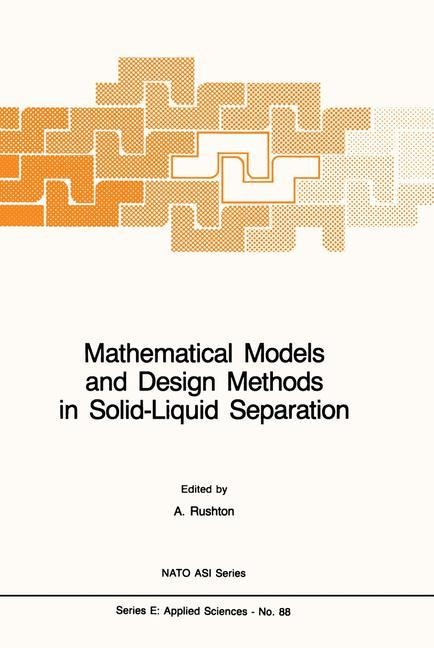
Mathematical Models and Design Methods in Solid-Liquid Separation -
-20% with code BOOKS
Shipping in 17-23 days
30-day return policy
The separation of finely-divided solids from liquids constitutes an important stage in many industrial processes. Separation of mixtures ranging from highly concentrated slurries to slightly turbid liquids must be effected in circumstances where the solids, liquid or both phases may have value. Separations may be achieved by use of a membrane or filter medium which, positioned in the path of a flowing suspe ... Full description
You May Also Like

 TOP
TOP

If Anyone Builds It, Everyone Dies: The Case Against Superintelligent AI
Eliezer Yudkowsky, Nate Soares
-20% with code BOOKS
In stock at our supplier
 TOP
TOP

Open Circuits: The Inner Beauty of Electronic Components
Eric Schlaepfer, Windell Oskay
-20% with code BOOKS
In stock at our supplier
TOP
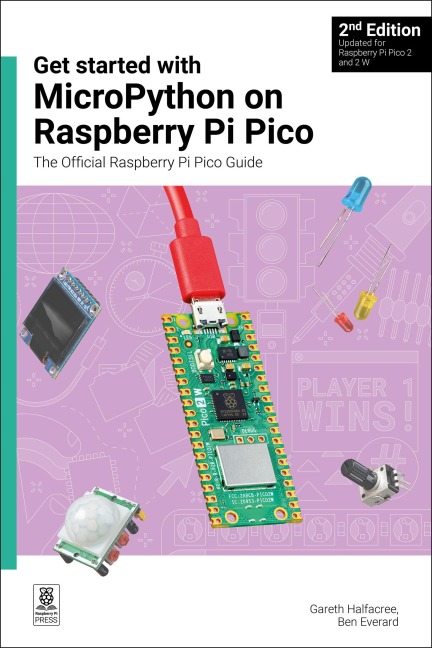
Get started with MicroPython on Raspberry Pi Pico: The Official Raspberry Pi Pico Guide
-20% with code BOOKS
In stock at our supplier
TOP
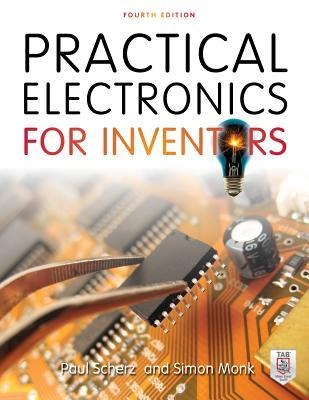
Practical Electronics for Inventors
-20% with code BOOKS
In stock at our supplier
TOP

Nucleo Boards Programming with the STM32CubeIDE: Hands-on in more than 50 projects
-20% with code BOOKS
In stock at our supplier
TOP
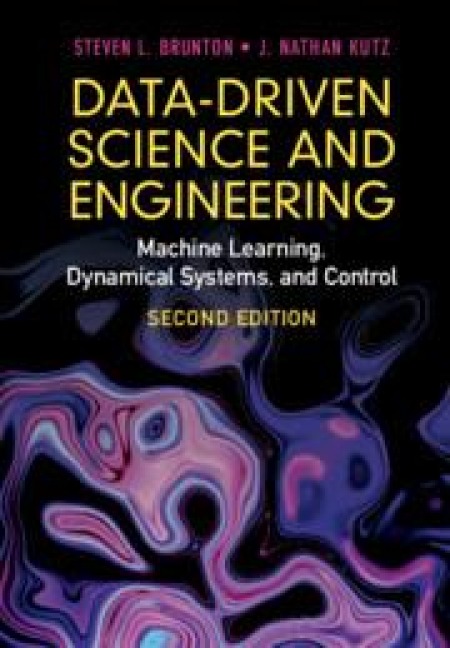
Data-Driven Science and Engineering: Machine Learning, Dynamical Systems, and Control
Steven L. Brunton, J. Nathan Kutz
-20% with code BOOKS
In stock at our supplier
TOP
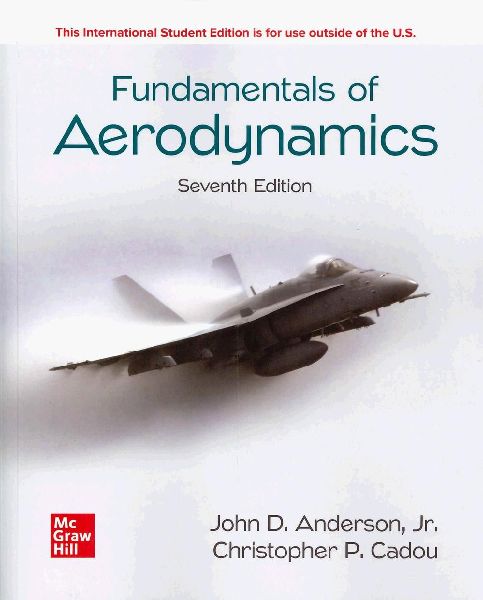
Fundamentals of Aerodynamics ISE
Christopher Cadou, John D. Anderson
-20% with code BOOKS
In stock at our supplier
TOP

Black Holes: The Key to Understanding the Universe
-20% with code BOOKS
In stock at our supplier
TOP

KiCad Like A Pro - Fundamentals and Projects: Getting started with the world's best open-source PCB tool
-20% with code BOOKS
In stock at our supplier
TOP

Foundations of Flavor: The Noma Guide to Fermentation: Including Step-By-Step Information on Making and Cooking with: Koji, Kombuchas, Shoyus, Misos, Vinegars, Garums, Lacto-Ferments and black Fruits Vegetables
-20% with code BOOKS
In stock at our supplier
TOP

Make: Electronics: Learning by Discovery: A hands-on primer for the new electronics enthusiast
-20% with code BOOKS
In stock at our supplier
TOP

The Idea Factory: Bell Labs and the Great Age of American Innovation
-20% with code BOOKS
In stock at our supplier
TOP

Flowers For Algernon: A Modern Literary Classic
-20% with code BOOKS
In stock at our supplier
TOP

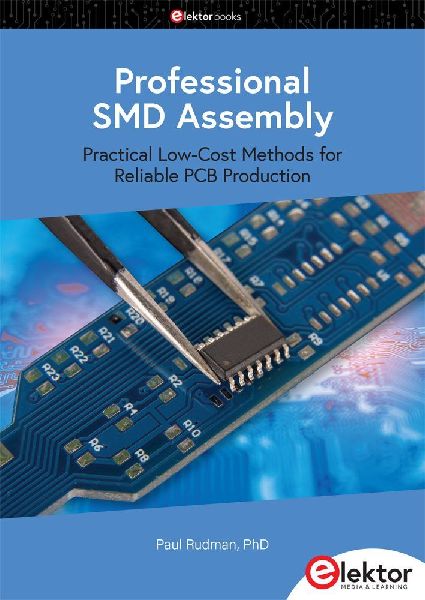
Professional SMD Assembly: Practical Low-Cost Methods for Reliable PCB Production
-20% with code BOOKS
In stock at our supplier
TOP

Blood in the Machine: The Origins of the Rebellion Against Big Tech
-20% with code BOOKS
In stock at our supplier
 TOP
TOP

Learning the Art of Electronics: A Hands-On Lab Course
Thomas C. Hayes, Paul Horowitz, David Abrams
-20% with code BOOKS
In stock at our supplier
TOP

Raspberry Pi 5 for Radio Amateurs: Program and Build Raspberry Pi 5 Based Ham Station Utilities with the RTL-SDR
-20% with code BOOKS
In stock at our supplier
Description
The separation of finely-divided solids from liquids constitutes an important stage in many industrial processes. Separation of mixtures ranging from highly concentrated slurries to slightly turbid liquids must be effected in circumstances where the solids, liquid or both phases may have value. Separations may be achieved by use of a membrane or filter medium which, positioned in the path of a flowing suspension, will allow passage of the fluid whilst retaining solids on the surface or within the medium. Alternatively the two phases may be separated by sedimentation processes involving gravitational or centrifugal force. In either mode, separation difficulties are sometimes experienced with the result that solid-liquid separation is often a bottleneck in commercial plants. Operational difficulties and plant failures are associated with the random nature of the particles being separated; variations in size, shape, states of aggregation, compressibility, etc. , produce a wide range of problems. Plugging of the filter medium or the collapse of the solids under applied stress lead to slow flowrates of liquid. The colloidal nature of some precipitates makes separation by settling virtually impossible without the use of chemical agents to enhance the size of basic units and to reduce repulsive surface forces. Unit operations such as filtration, comminution, etc. , involve a seemingly bewildering array of machines which makes plant selection a difficult step and reflects the uncer tainties attaching to operations involving the solid )hase. Many types of pressure, vacuum and centrifugal filter are available.
More Information
| Publisher | Springer Netherlands |
|---|---|
| Series | NATO Science Series E: |
| Release year | 1985 |
| Cover type | Hardcover |
| EAN | 9789024731404 |