
Notes on Introductory Combinatorics - Robert E. Tarjan,George Polya,Donald R. Woods

-20% with code BOOKS
Shipping in 12-18 days
30-day return policy
In the winter of 1978, Professor George P61ya and I jointly taught Stanford University's introductory combinatorics course. This was a great opportunity for me, as I had known of Professor P61ya since having read his classic book, How to Solve It, as a teenager. Working with P6lya, who ·was over ninety years old at the time, was every bit as rewarding as I had hoped it would be. His creativity, intelligence ... Full description
You May Also Like
 TOP
TOP

The Demon-Haunted World: Science as a Candle in the Dark
-20% with code BOOKS
In stock at our supplier
TOP

Heart Rate Variability: Science and Strategies for Peak Performance
Marco Altini, Sylvain Laborde, Dan Plews, Emma Mosley
-20% with code BOOKS
Out of stock
TOP

Many Faces, One Purpose: A Managers Handbook on Women in Firefighting
U. S. Fire Administration, Homeland Security
-20% with code BOOKS
Out of stock
TOP

The Gulf Moment: Arab Relations Since 2011
Florence Gaub, U. S. Army War College, Strategic Studies Institute
-20% with code BOOKS
Out of stock
 TOP
TOP

Introduction to Algorithms
Ronald L. Rivest, Charles E. Leiserson, Clifford Stein, Thomas H. Cormen
-20% with code BOOKS
In stock at our supplier
TOP
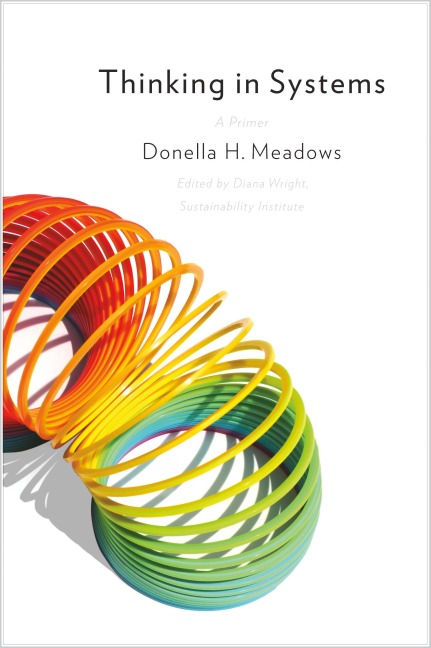
Thinking in Systems: International Bestseller
-20% with code BOOKS
In stock at our supplier
TOP

101 Things I Learned in Architecture School
-20% with code BOOKS
In stock at our supplier
TOP
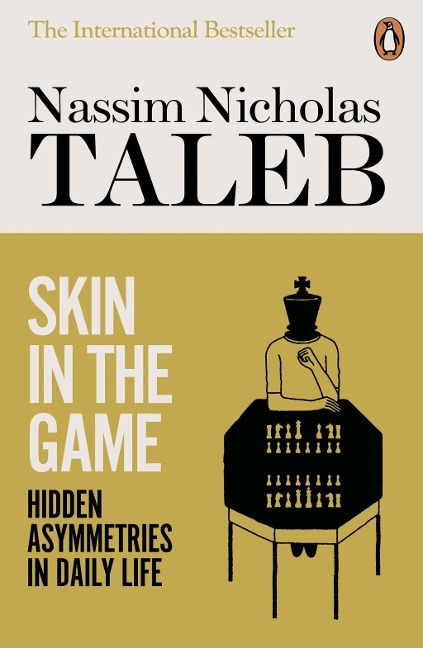
Skin in the Game: Hidden Asymmetries in Daily Life
-20% with code BOOKS
In stock at our supplier
TOP
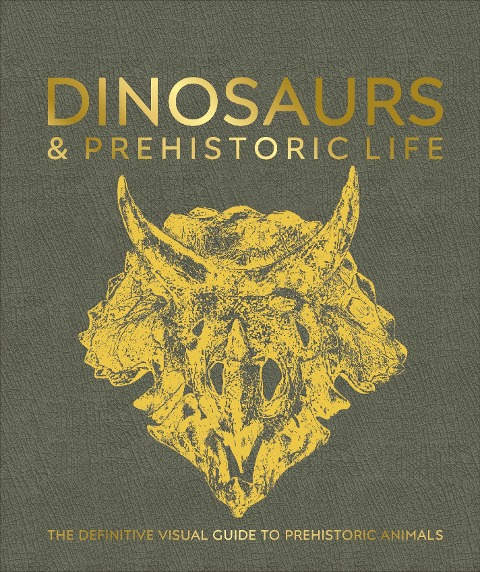
Dinosaurs and Prehistoric Life: The Definitive Visual Guide to Prehistoric Animals
-20% with code BOOKS
In stock at our supplier
 TOP
TOP
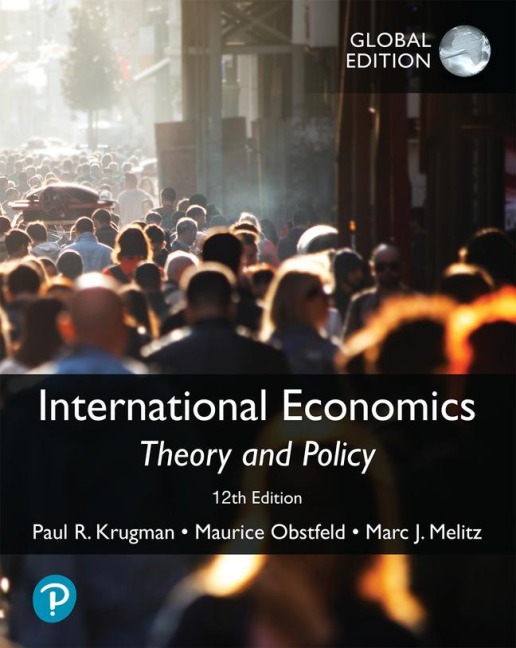
International Economics: Theory and Policy, Global Edition
Paul Krugman, Maurice Obstfeld, Marc Melitz
-20% with code BOOKS
In stock at our supplier
TOP
Nudge: Improving Decisions About Health, Wealth and Happiness
Cass R Sunstein, Richard H. Thaler
-20% with code BOOKS
In stock
TOP

Crossing Borders: About the birth of the Consortium of European Research Libraries, the organisation's early years and its path to maturity, spanning the period from the late twentieth century to the first decades of the twenty-first century
-20% with code BOOKS
In stock at our supplier
TOP

The Code Book: The Science of Secrecy from Ancient Egypt to Quantum Cryptography
-20% with code BOOKS
In stock at our supplier
TOP

Cybernetics: Second Edition: Or the Control and Communication in the Animal and the Machine
-20% with code BOOKS
In stock at our supplier
TOP
The Unaccountability Machine: Why Big Systems Make Terrible Decisions
-20% with code BOOKS
In stock at our supplier
TOP

Only Dull People Are Brilliant at Breakfast
-20% with code BOOKS
In stock at our supplier
 TOP
TOP
The Dictionary of Obscure Sorrows
-20% with code BOOKS
In stock at our supplier
Description
In the winter of 1978, Professor George P61ya and I jointly taught Stanford University's introductory combinatorics course. This was a great opportunity for me, as I had known of Professor P61ya since having read his classic book, How to Solve It, as a teenager. Working with P6lya, who ·was over ninety years old at the time, was every bit as rewarding as I had hoped it would be. His creativity, intelligence, warmth and generosity of spirit, and wonderful gift for teaching continue to be an inspiration to me. Combinatorics is one of the branches of mathematics that play a crucial role in computer sCience, since digital computers manipulate discrete, finite objects. Combinatorics impinges on computing in two ways. First, the properties of graphs and other combinatorial objects lead directly to algorithms for solving graph-theoretic problems, which have widespread application in non-numerical as well as in numerical computing. Second, combinatorial methods provide many analytical tools that can be used for determining the worst-case and expected performance of computer algorithms. A knowledge of combinatorics will serve the computer scientist well. Combinatorics can be classified into three types: enumerative, eXistential, and constructive. Enumerative combinatorics deals with the counting of combinatorial objects. Existential combinatorics studies the existence or nonexistence of combinatorial configurations.
More Information
| Author | Robert E. Tarjan, George Polya, Donald R. Woods |
|---|---|
| Publisher | Birkhäuser Boston |
| Series | Progress in Computer Science and Applied Logic |
| Release year | 1990 |
| Cover type | Softcover |
| EAN | 9780817631703 |