
Optimization algorithms: Newtons method, Genetic algorithm, Greedy algorithm, Dynamic programming, Minimax, Alpha-beta pruning, Random optimization, Simulated annealing, CMA-ES, Simplex algorithm, Swarm intelligence, Particle swarm optimization -

-20% with code BOOKS
Shipping in 12-18 days
30-day return policy
Source: Wikipedia. Pages: 90. Chapters: Newton's method, Genetic algorithm, Greedy algorithm, Dynamic programming, Minimax, Alpha-beta pruning, Random optimization, Simulated annealing, CMA-ES, Simplex algorithm, Swarm intelligence, Particle swarm optimization, Criss-cross algorithm, Imperialist competitive algorithm, Divide and conquer algorithm, Harmony search, Bees algorithm, Differential evolution, Matr ... Full description
You May Also Like
 TOP
TOP

Gödel, Escher, Bach: An Eternal Golden Braid
-20% with code BOOKS
In stock at our supplier
TOP
Empire of AI: Dreams and Nightmares in Sam Altmans OpenAI
-20% with code BOOKS
In stock at our supplier
TOP


The Rust Programming Language
Steve Klabnik, Carol Nichols, Chris Krycho
-20% with code BOOKS
In stock at our supplier
TOP
AI Engineering: Building Applications with Foundation Models
-20% with code BOOKS
In stock at our supplier
TOP
The Pragmatic Programmer: journey to mastery, 20th Anniversary Edition, 2/e: your journey to mastery, 20th Anniversary Edition
-20% with code BOOKS
In stock at our supplier
TOP

How Linux Works: What Every Superuser Should Know
-20% with code BOOKS
In stock at our supplier
TOP
Python Crash Course: A Hands-On, Project-Based Introduction to Programming
-20% with code BOOKS
In stock at our supplier
TOP
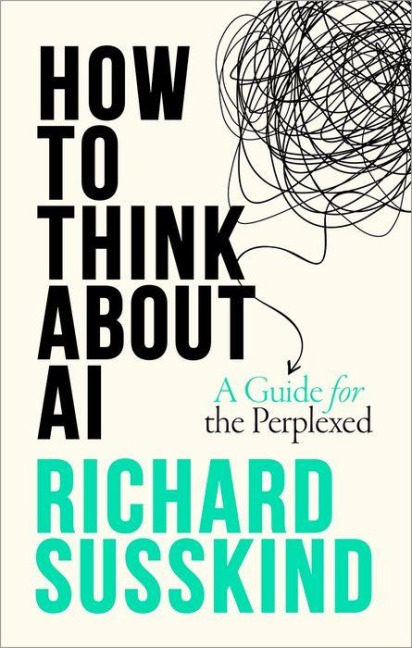
How To Think About AI: A Guide For The Perplexed
-20% with code BOOKS
In stock at our supplier
TOP
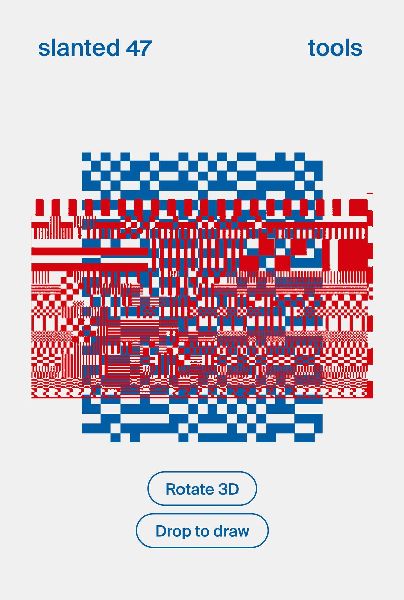
Slanted 47 Digital Tools: Slanted Magazine
-20% with code BOOKS
In stock at our supplier
TOP

Proofs from THE BOOK
Martin Aigner, Günter M. Ziegler
-20% with code BOOKS
In stock at our supplier
TOP
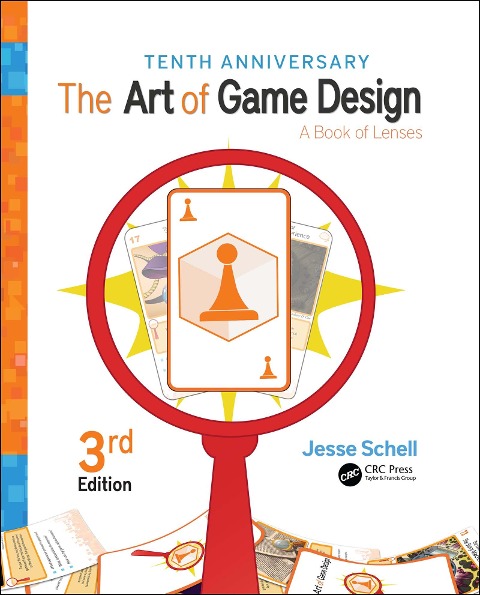
The Art of Game Design: A Book of Lenses
-20% with code BOOKS
In stock at our supplier
TOP

CompTIA Security+ Certification Kit: Exam SY0-701
-20% with code BOOKS
In stock at our supplier
TOP
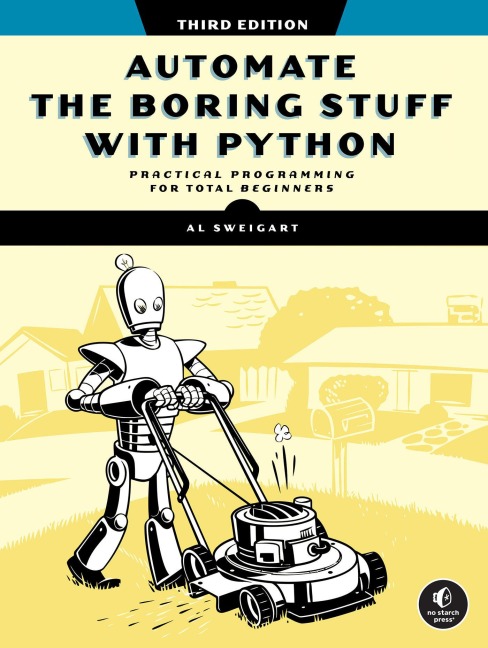
Automate the Boring Stuff with Python
-20% with code BOOKS
In stock at our supplier
TOP
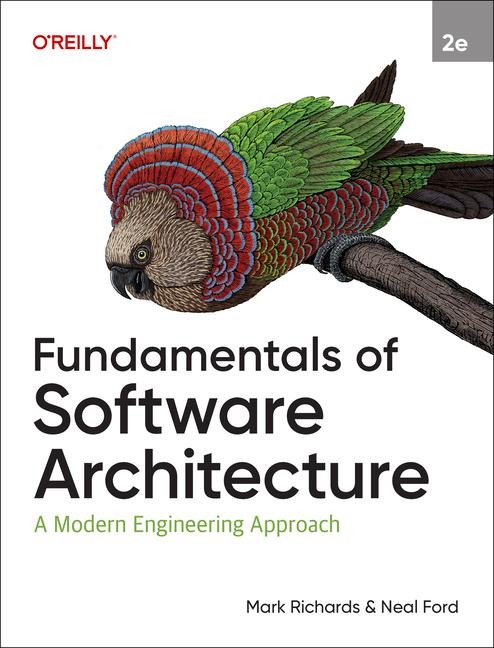
Fundamentals of Software Architecture: A Modern Engineering Approach
-20% with code BOOKS
In stock at our supplier
TOP
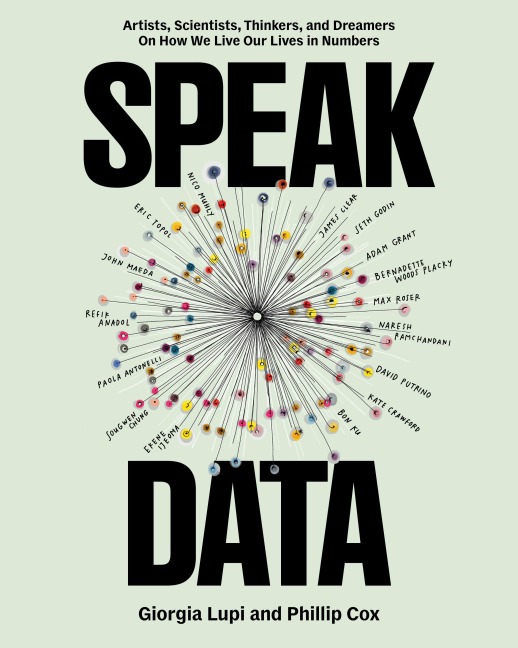
Speak Data: Artists, Scientists, Thinkers, and Dreamers on How We Live Our Lives in Numbers
-20% with code BOOKS
In stock at our supplier
TOP

Hacking: The Art of Exploitation
-20% with code BOOKS
In stock at our supplier
TOP

Hackers. 25th Anniversary Edition: Heroes of the Computer Revolution
-20% with code BOOKS
In stock at our supplier
TOP

Deep Learning
Ian Goodfellow, Yoshua Bengio, Aaron Courville
-20% with code BOOKS
In stock at our supplier
TOP
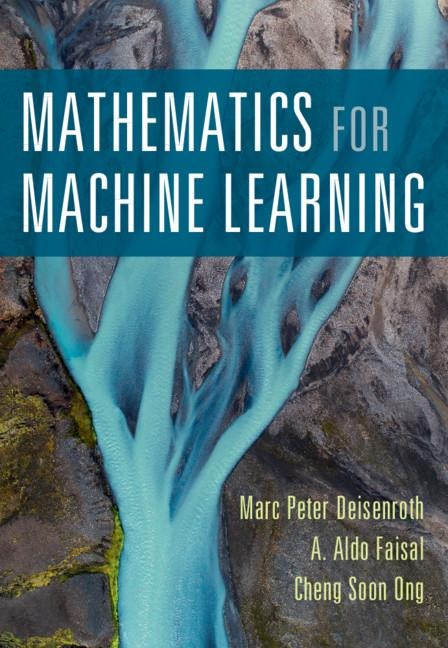
Mathematics for Machine Learning
Cheng Soon Ong, A. Aldo Faisal, Marc Peter Deisenroth
-20% with code BOOKS
In stock at our supplier
TOP
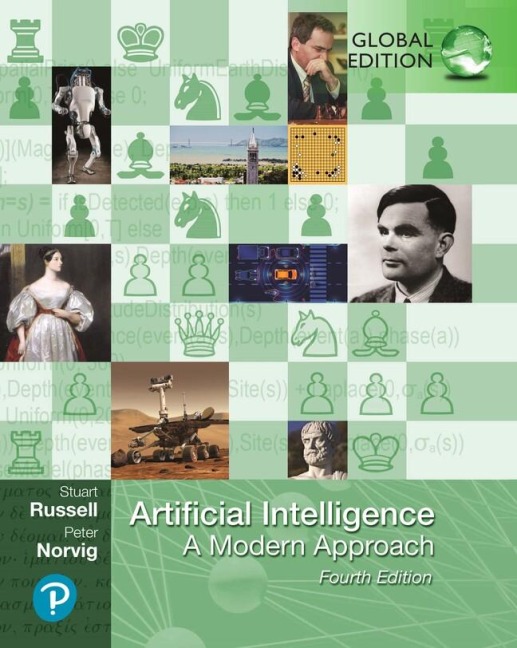
Artificial Intelligence: A Modern Approach, Global Edition
-20% with code BOOKS
In stock at our supplier
Description
Source: Wikipedia. Pages: 90. Chapters: Newton's method, Genetic algorithm, Greedy algorithm, Dynamic programming, Minimax, Alpha-beta pruning, Random optimization, Simulated annealing, CMA-ES, Simplex algorithm, Swarm intelligence, Particle swarm optimization, Criss-cross algorithm, Imperialist competitive algorithm, Divide and conquer algorithm, Harmony search, Bees algorithm, Differential evolution, Matrix chain multiplication, Bin packing problem, Evolutionary algorithm, Nelder¿Mead method, Extremal optimization, Hill climbing, IOSO, Reactive search optimization, Cutting-plane method, Guided Local Search, Automatic label placement, Karmarkar's algorithm, Cuckoo search, Evolutionary multi-modal optimization, Job shop scheduling, Cross-entropy method, Meta-optimization, Interior point method, Crew scheduling, Auction algorithm, Artificial Bee Colony Algorithm, Tabu search, Augmented Lagrangian method, Firefly algorithm, BRST algorithm, Quantum annealing, Pattern search, Graduated optimization, Branch and bound, Fourier¿Motzkin elimination, Random search, Bland's rule, Maximum subarray problem, Negamax, Genetic algorithms in economics, Tree rearrangement, Glowworm swarm optimization, Sequential minimal optimization, Branch and cut, Delayed column generation, Very large-scale neighborhood search, Mehrotra predictor-corrector method, Penalty method, BHHH algorithm, Evolutionary programming, Destination dispatch, Great Deluge algorithm, Iterated local search, Big M method, Lemke's algorithm, Sequence-dependent setup, Ordered subset expectation maximization, MCS algorithm, Zionts¿Wallenius method, Biologically inspired algorithms, Rosenbrock methods, Stochastic hill climbing, Optimization algorithm. Excerpt: A genetic algorithm (GA) is a search heuristic that mimics the process of natural evolution. This heuristic is routinely used to generate useful solutions to optimization and search problems. Genetic algorithms belong to the larger class of evolutionary algorithms (EA), which generate solutions to optimization problems using techniques inspired by natural evolution, such as inheritance, mutation, selection, and crossover. In a genetic algorithm, a population of strings (called chromosomes or the genotype of the genome), which encode candidate solutions (called individuals, creatures, or phenotypes) to an optimization problem, evolves toward better solutions. Traditionally, solutions are represented in binary as strings of 0s and 1s, but other encodings are also possible. The evolution usually starts from a population of randomly generated individuals and happens in generations. In each generation, the fitness of every individual in the population is evaluated, multiple individuals are stochastically selected from the current population (based on their fitness), and modified (recombined and possibly randomly mutated) to form a new population. The new population is then used in the next iteration of the algorithm. Commonly, the algorithm terminates when either a maximum number of generations has been produced, or a satisfactory fitness level has been reached for the population. If the algorithm has terminated due to a maximum number of generations, a satisfactory solution may or may not have been reached. Genetic algorithms find application in bioinformatics, phylogenetics, computational science, engineering, economics, chemistry, manufacturing, mathematics, physics and other fields. A typical genetic algorithm requires:...
More Information
| Publisher | Books LLC, Reference Series |
|---|---|
| Release year | 2014 |
| Cover type | Softcover |
| EAN | 9781156553886 |