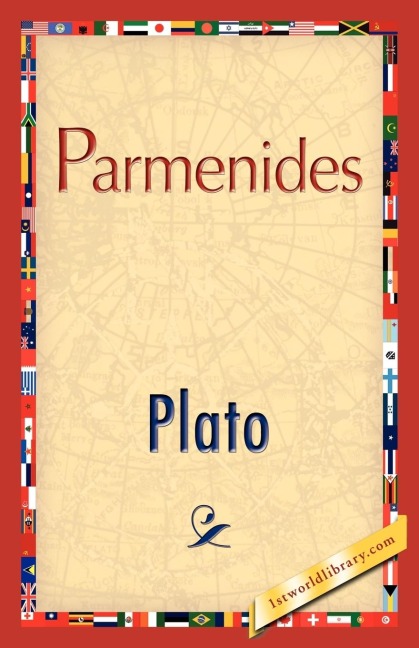
Parmenides - Plato
-20% with code BOOKS
Shipping in 10-16 days
30-day return policy
The Cratylus has always been a source of perplexity to the student of Plato. While in fancy and humour, and perfection of style and metaphysical originality, this dialogue may be ranked with the best of the Platonic writings, there has been an uncertainty about the motive of the piece, which interpreters have hitherto not succeeded in dispelling. We need not suppose that Plato used words in order to conceal ... Full description
You May Also Like
 TOP
TOP
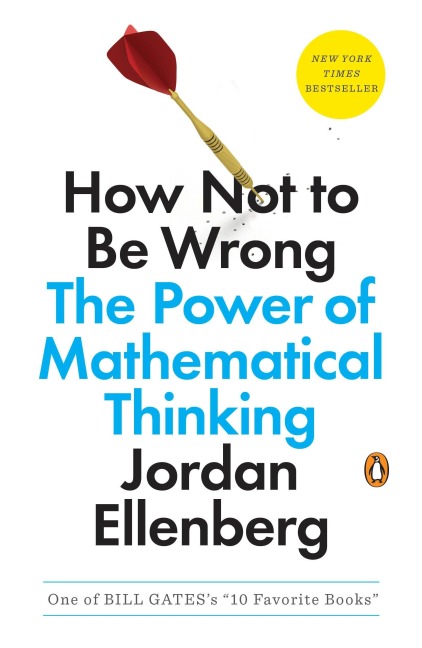
How Not to Be Wrong: The Power of Mathematical Thinking
-20% with code BOOKS
In stock at our supplier
TOP
The Holy Bible - King James Version (KJV): Popular Gift & Award Black Leatherette Edition
-20% with code BOOKS
In stock at our supplier
 TOP
TOP
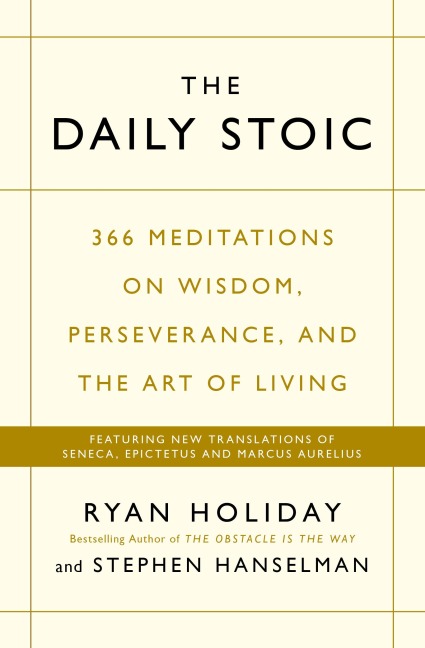
The Daily Stoic: 366 Meditations on Wisdom, Perseverance, and the Art of Living: Featuring new translations of Seneca, Epictetus, and Marcus Aurelius
Stephen Hanselman, Ryan Holiday
-20% with code BOOKS
In stock
TOP

Ikigai: The Japanese secret to a long and happy life
Francesc Miralles, Héctor García
-20% with code BOOKS
In stock
TOP
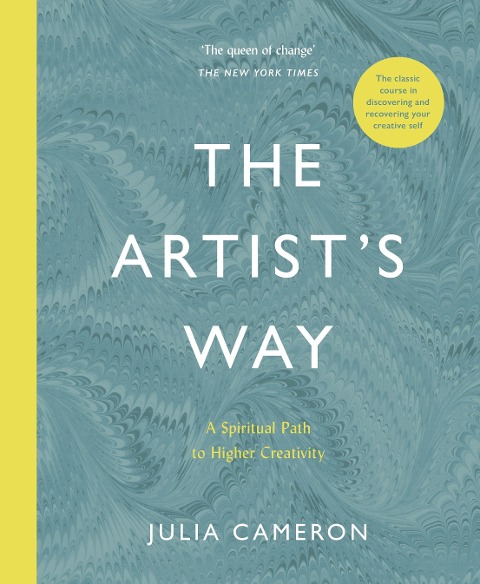
The Artist's Way: A Spiritual Path to Higher Creativity
-20% with code BOOKS
In stock at our supplier
 TOP
TOP


Original Sin: The Genetics of Wrongdoing, the Problem of Blame and the Future of Forgiveness
-20% with code BOOKS
In stock at our supplier
TOP

Antifragile: Things That Gain from Disorder
-20% with code BOOKS
In stock at our supplier

 TOP
TOP

The Power of Now: A Guide to Spiritual Enlightenment
-20% with code BOOKS
In stock
TOP

The Café on the Edge of the World: A Story About the Meaning of Life
-20% with code BOOKS
In stock at our supplier
TOP
The Art of War & Other Classics of Eastern Philosophy
Mencius, Lao-Tzu, Confucius, Sun Tzu
-20% with code BOOKS
In stock at our supplier
 TOP
TOP

The Reed of God: Mary, Virgin and Mother
-20% with code BOOKS
In stock at our supplier
TOP

On Happiness: Gilded Pocket Edition
-20% with code BOOKS
In stock at our supplier
 TOP
TOP
Discourses and Selected Writings
-20% with code BOOKS
In stock at our supplier

Description
The Cratylus has always been a source of perplexity to the student of Plato. While in fancy and humour, and perfection of style and metaphysical originality, this dialogue may be ranked with the best of the Platonic writings, there has been an uncertainty about the motive of the piece, which interpreters have hitherto not succeeded in dispelling. We need not suppose that Plato used words in order to conceal his thoughts, or that he would have been unintelligible to an educated contemporary. In the Phaedrus and Euthydemus we also find a difficulty in determining the precise aim of the author. Plato wrote satires in the form of dialogues, and his meaning, like that of other satirical writers, has often slept in the ear of posterity. Two causes may be assigned for this obscurity: 1st, the subtlety and allusiveness of this species of composition; 2nd, the difficulty of reproducing a state of life and literature which has passed away. A satire is unmeaning unless we can place ourselves back among the persons and thoughts of the age in which it was written.
More Information
| Author | Plato |
|---|---|
| Publisher | 1st World Publishing |
| Release year | 2008 |
| Cover type | Softcover |
| EAN | 9781421893877 |