
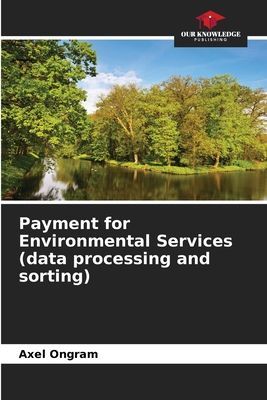
Payment for Environmental Services (data processing and sorting) - Axel Ongram
-20% with code BOOKS
Shipping in 15-21 days
30-day return policy
In Africa as elsewhere, climate change has become an international concern and a truth that cannot easily be ignored. To combat this phenomenon, a range of regulatory and incentive tools have been put in place. Among them, one form (incentive tools) seems to stand out: Payments for Environmental Services (PES). PES are often presented as an innovative and particularly promising instrument for conserving eco ... Full description
You May Also Like
 TOP
TOP

Atomic Habits: An Easy & Proven Way to Build Good Habits & Break Bad Ones
-20% with code BOOKS
In stock
TOP

The Culture Map: Breaking Through the Invisible Boundaries of Global Business
-20% with code BOOKS
In stock
TOP

Women Who Run with the Wolves: Myths and Stories of the Wild Woman Archetype
Clarissa Pinkola Estés, Clarissa Pinkola Estes
-20% with code BOOKS
In stock at our supplier
 TOP
TOP

Prisoners of Geography: Updated 10th Anniversary Edition: Ten Maps That Tell You Everything You Need To Know About Global Politics
-20% with code BOOKS
In stock at our supplier


 TOP
TOP
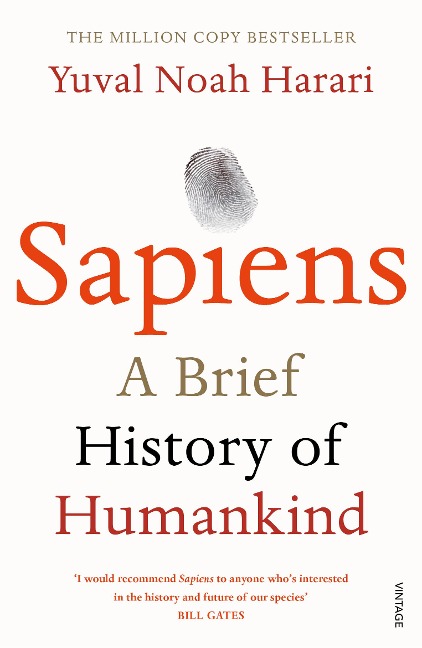
Sapiens: A Brief History of Humankind
-20% with code BOOKS
In stock at our supplier
TOP

How Democracies Die
Steven Levitsky, Daniel Ziblatt
-20% with code BOOKS
In stock at our supplier
TOP


Classic Football Shirts
Classic Football Shirts, Rory Smith
-20% with code BOOKS
In stock at our supplier
TOP

Goliath's Curse: The History and Future of Societal Collapse
-20% with code BOOKS
In stock at our supplier
TOP

The Whole-Brain Child: 12 Revolutionary Strategies to Nurture Your Child's Developing Mind
Daniel J. Siegel, Tina Payne Bryson
-20% with code BOOKS
In stock at our supplier
TOP

Everything I Know About Love: Now a Major BBC One Series
-20% with code BOOKS
In stock
TOP

Braiding Sweetgrass: Indigenous Wisdom, Scientific Knowledge and the Teachings of Plants
-20% with code BOOKS
In stock at our supplier


 TOP
TOP

How Europe Underdeveloped Africa
-20% with code BOOKS
In stock at our supplier
TOP

The Testaments: The Sequel to The Handmaid's Tale
-20% with code BOOKS
In stock at our supplier
Description
In Africa as elsewhere, climate change has become an international concern and a truth that cannot easily be ignored. To combat this phenomenon, a range of regulatory and incentive tools have been put in place. Among them, one form (incentive tools) seems to stand out: Payments for Environmental Services (PES). PES are often presented as an innovative and particularly promising instrument for conserving ecosystems, and are supposed to provide solutions to the shortcomings of traditional conservation and preservation tools. However, the effectiveness of PES is linked to a number of issues. The aim of this paper is to identify how the PES mechanism works, and the factors that determine its success or failure, in order to draw lessons from these experiences. This dissertation is part of the Integrated Water Resources Management and Payments for Environmental Services (IWRM-PES) research project, which is developing knowledge with a view to finding efficient responses to minimising the effects of climate change in the Tensi basin.
More Information
| Author | Axel Ongram |
|---|---|
| Publisher | Our Knowledge Publishing |
| Release year | 2023 |
| Cover type | Softcover |
| EAN | 9786206127970 |