
Philoponus - Philoponus

-20% with code BOOKS
Shipping in 17-23 days
30-day return policy
Until the launch of this series over fifteen years ago, the 15,000 volumes of the ancient Greek commentators on Aristotle, written mainly between 200 and 600 AD, constituted the largest corpus of extant Greek philosophical writings not translated into English or other European languages. This text by Philoponus rejects accounts of soul, or as we would say of mind, which define it as moving, as cognitive, or ... Full description
You May Also Like
 TOP
TOP

How Not to Be Wrong: The Power of Mathematical Thinking
-20% with code BOOKS
In stock at our supplier
TOP

The Holy Bible - King James Version (KJV): Popular Gift & Award Black Leatherette Edition
-20% with code BOOKS
In stock at our supplier
 TOP
TOP
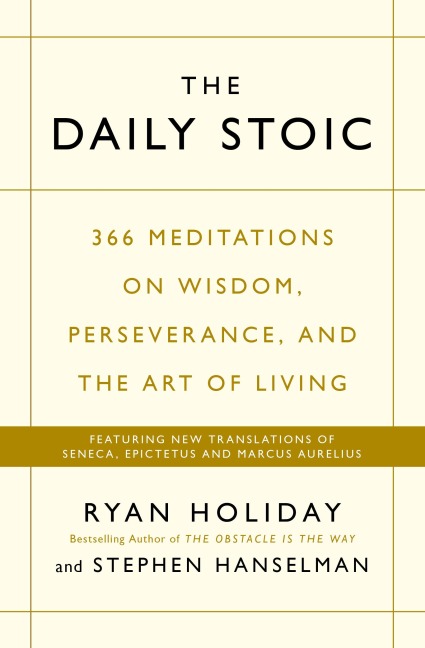
The Daily Stoic: 366 Meditations on Wisdom, Perseverance, and the Art of Living: Featuring new translations of Seneca, Epictetus, and Marcus Aurelius
Stephen Hanselman, Ryan Holiday
-20% with code BOOKS
In stock
TOP

Ikigai: The Japanese secret to a long and happy life
Francesc Miralles, Héctor García
-20% with code BOOKS
In stock
TOP

The Artist's Way: A Spiritual Path to Higher Creativity
-20% with code BOOKS
In stock at our supplier
TOP


Original Sin: The Genetics of Wrongdoing, the Problem of Blame and the Future of Forgiveness
-20% with code BOOKS
In stock at our supplier
TOP

The Art of War & Other Classics of Eastern Philosophy
Mencius, Lao-Tzu, Confucius, Sun Tzu
-20% with code BOOKS
In stock at our supplier

 TOP
TOP

The Power of Now: A Guide to Spiritual Enlightenment
-20% with code BOOKS
In stock
TOP

The Café on the Edge of the World: A Story About the Meaning of Life
-20% with code BOOKS
In stock at our supplier
 TOP
TOP

The Reed of God: Mary, Virgin and Mother
-20% with code BOOKS
In stock at our supplier
TOP

On Happiness: Gilded Pocket Edition
-20% with code BOOKS
In stock at our supplier
TOP
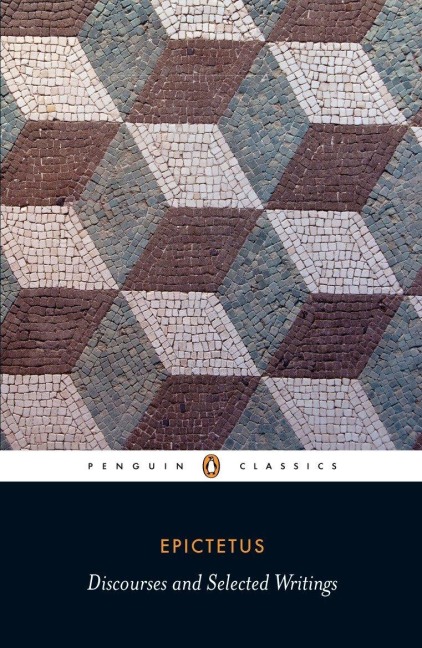
Discourses and Selected Writings
-20% with code BOOKS
In stock at our supplier
TOP

Antifragile: Things That Gain from Disorder
-20% with code BOOKS
In stock at our supplier
 TOP
TOP
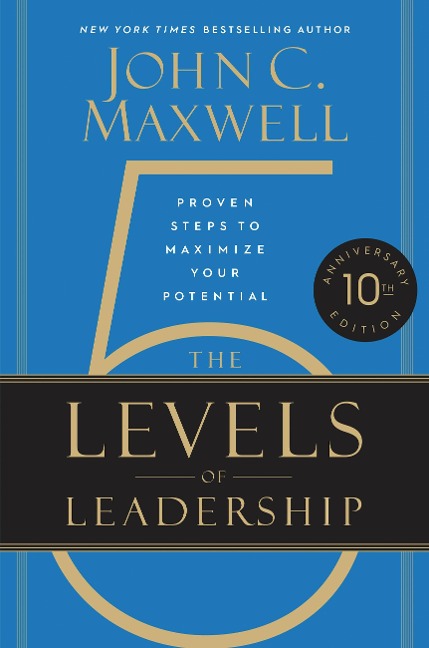
The 5 Levels of Leadership: Proven Steps to Maximize Your Potential
-20% with code BOOKS
In stock at our supplier
TOP
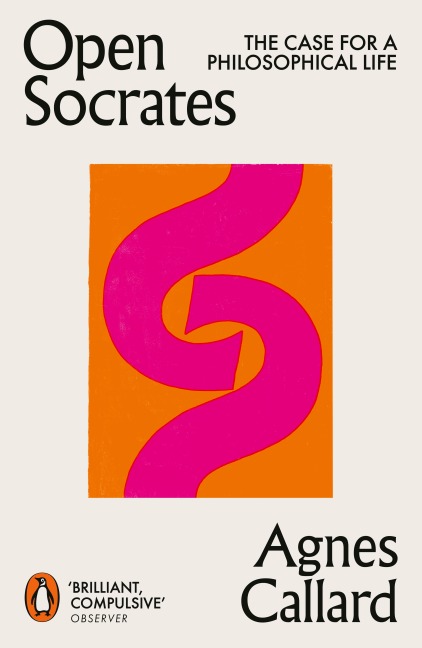
Open Socrates: The Case for a Philosophical Life
-20% with code BOOKS
In stock at our supplier
Description
Until the launch of this series over fifteen years ago, the 15,000 volumes of the ancient Greek commentators on Aristotle, written mainly between 200 and 600 AD, constituted the largest corpus of extant Greek philosophical writings not translated into English or other European languages. This text by Philoponus rejects accounts of soul, or as we would say of mind, which define it as moving, as cognitive, or in physical terms. Chapter 3 considers Aristotle's attack on the idea that the soul is in motion. This was an attack partly on his teacher, Plato, since Plato defines the soul as self-moving. Philoponus agrees with Aristotle's attack on the idea that a thing must be in motion in order to cause motion. But he offers what may be Ammonius' interpretation of Plato's apparently physicalistic account of the soul in the Timaeus as symbolic. What we would call the mind-body relation is the subject of Chapter 4. Plato and Aristotle attacked a physicalistic theory of soul, which suggested it was the blend, ratio, or harmonious proportion of ingredients in the body.Philoponus attacked the theory too, but we learn from him that Epicurus had defended it. In Chapter 5, Philoponus endorses Aristotle's rejection of the idea that the soul is particles and of Empedocles' idea that the soul must be made of all four elements in order to know what is made of the same elements. He also rejects, with Aristotle, definitions of the soul as moving or cognitive as ignoring lower forms of life. He finally discusses Aristotle's rejection of Plato's localisation of parts of the soul in parts of the body, but asks if new knowledge of the brain and the nerves do not require some kind of localisation.
More Information
| Author | Philoponus |
|---|---|
| Publisher | Bloomsbury Publishing PLC |
| Release year | 2006 |
| Cover type | Hardcover |
| EAN | 9780715633076 |