
Plant Aging: Basic and Applied Approaches -
-20% with code BOOKS
Shipping in 12-18 days
30-day return policy
For many, the terms aging, maturation and senescence are synonymous and used interchangeably, but they should not be. Whereas senescence represents an endogenously controlled degenerative programme leading to plant or organ death, genetiC aging encompasses a wide array of passive degenerative genetiC processes driven primarily by exogenous factors (Leopold, 1975). Aging is therefore considered a consequence ... Full description
You May Also Like
 TOP
TOP

Determined: The Science of Life Without Free Will
-20% with code BOOKS
In stock at our supplier
TOP
The Rise and Fall of the Dinosaurs: A New History of a Lost World
-20% with code BOOKS
In stock at our supplier
TOP
Factfulness: Ten Reasons We're Wrong About the World--and Why Things Are Better Than You Think
Ola Rosling, Anna Rosling Rönnlund, Hans Rosling
-20% with code BOOKS
In stock at our supplier
TOP
Biology: A Global Approach, Global Edition
Neil Campbell, Rebecca Orr, Lisa Urry, Peter Minorsky, Michael Cain, Jane Reece, Steven Wasserman
-20% with code BOOKS
In stock at our supplier
TOP

Six Not-so-easy Pieces: Einstein's Relativity, Symmetry, and Space-Time
Richard P. Feynman, Robert B. Leighton, Matthew Sands
-20% with code BOOKS
In stock at our supplier
TOP
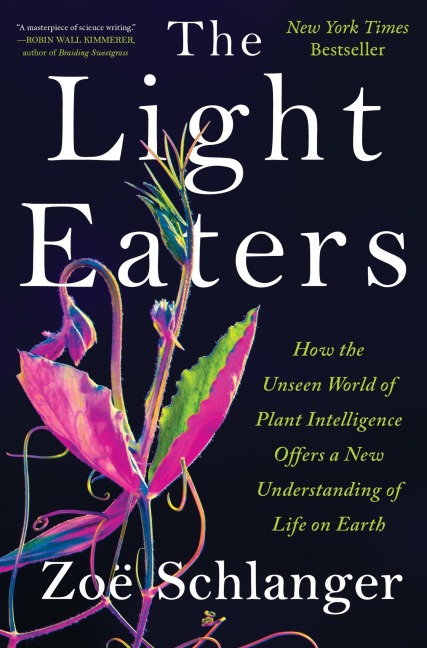
The Light Eaters: How the Unseen World of Plant Intelligence Offers a New Understanding of Life on Earth
-20% with code BOOKS
In stock at our supplier
 TOP
TOP

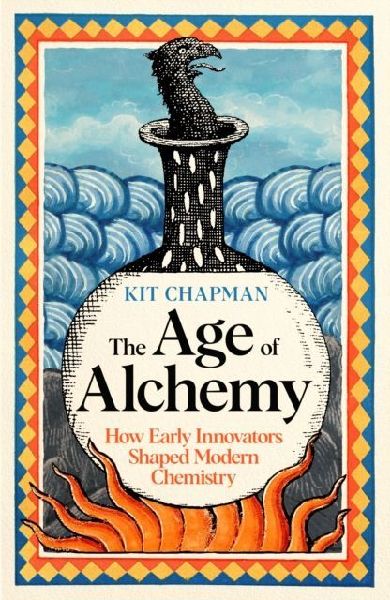
The Age of Alchemy: How Early Innovators Shaped Modern Chemistry
-20% with code BOOKS
In stock at our supplier
TOP
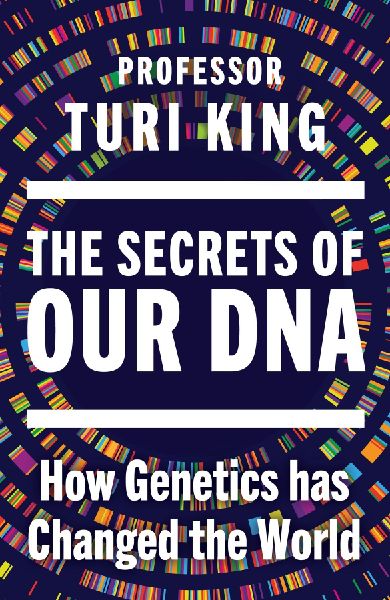
The Secrets of our DNA: How Genetics has Changed the World
-20% with code BOOKS
In stock at our supplier
TOP

Janeway's Immunobiology
Leslie J. Berg, Kenneth Murphy, Casey Weaver
-20% with code BOOKS
In stock at our supplier
TOP

How to Solve it: A New Aspect of Mathematical Method
-20% with code BOOKS
In stock at our supplier
TOP
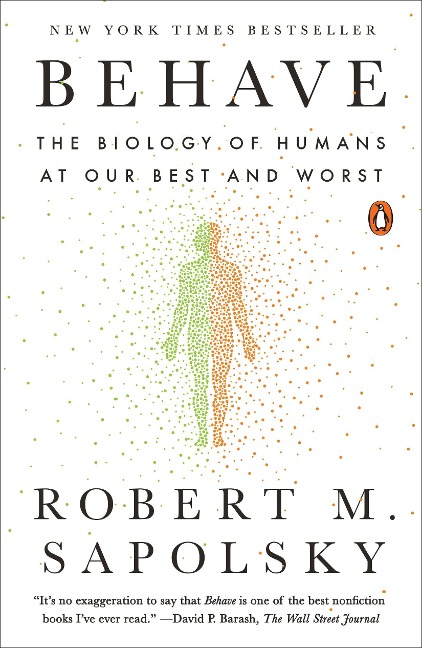
Behave: The Biology of Humans at Our Best and Worst
-20% with code BOOKS
In stock at our supplier
TOP
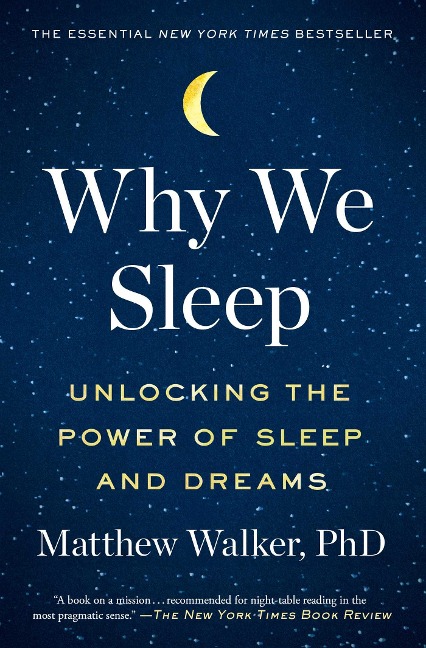
Why We Sleep: Unlocking the Power of Sleep and Dreams
-20% with code BOOKS
In stock
TOP
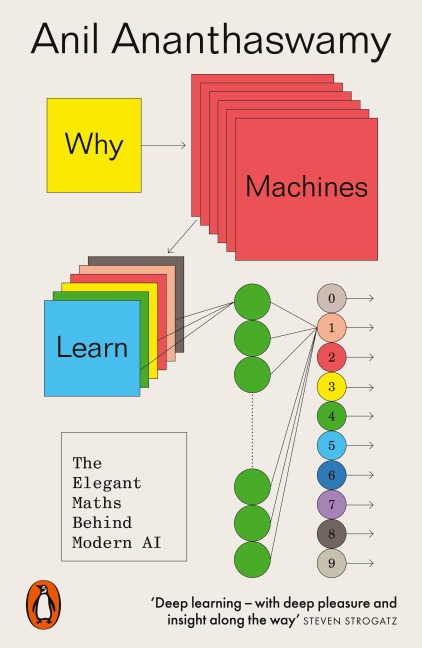
Why Machines Learn: The Elegant Maths Behind Modern AI
-20% with code BOOKS
In stock at our supplier
TOP

Six Easy Pieces: Essentials of Physics Explained by Its Most Brilliant Teacher
Richard P. Feynman, Robert B. Leighton, Matthew Sands
-20% with code BOOKS
In stock at our supplier
TOP
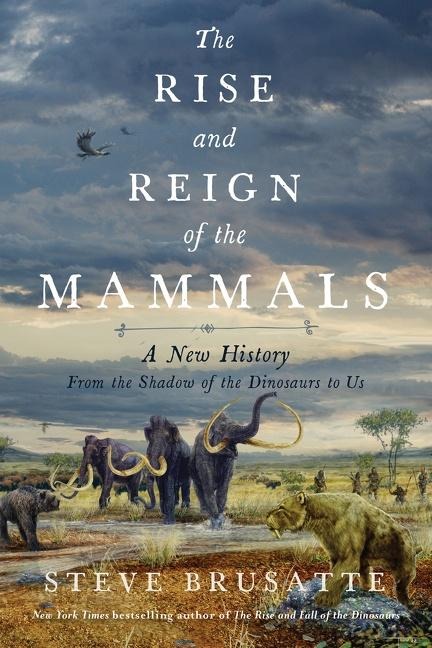
The Rise and Reign of the Mammals: A New History, from the Shadow of the Dinosaurs to Us
-20% with code BOOKS
In stock at our supplier
TOP
Learn Faster, Perform Better: A Musician's Guide to the Neuroscience of Practicing
-20% with code BOOKS
In stock at our supplier
TOP
The Brain That Changes Itself: Stories of Personal Triumph from the Frontiers of Brain Science
-20% with code BOOKS
In stock at our supplier
 TOP
TOP

Thing Explainer: Complicated Stuff in Simple Words
-20% with code BOOKS
In stock at our supplier
Description
For many, the terms aging, maturation and senescence are synonymous and used interchangeably, but they should not be. Whereas senescence represents an endogenously controlled degenerative programme leading to plant or organ death, genetiC aging encompasses a wide array of passive degenerative genetiC processes driven primarily by exogenous factors (Leopold, 1975). Aging is therefore considered a consequence of genetiC lesions that accumulate over time, but by themselves do not necessarily cause death. These lesions are probably made more severe by the increase in size and complexity in trees and their attendant physiology. Thus while the withering of flower petals following pollination can be considered senescence, the loss of viability of stored seeds more clearly represents aging (Norden, 1988). The very recent book "Senescence and Aging in Plants" does not discuss trees, the most dominant group of plants on the earth. Yet both angiospermic and gymnospermic trees also undergo the above phenomena but less is known about them. Do woody plants senesce or do they just age? What is phase change? Is this synonymous with maturation? While it is now becoming recognized that there is no programmed senescence in trees, senescence of their parts, even in gymnosperms (e. g. , needles of temperate conifers las t an average of 3. 5 years), is common; but aging is a readily acknowledged phenomenon. In theory, at least, in the absence of any programmed senescence trees should -live forever, but in practice they do not.
More Information
| Publisher | Springer New York |
|---|---|
| Series | NATO Science Series A: |
| Release year | 2012 |
| Cover type | Softcover |
| EAN | 9781468457629 |