
Post-Impressionism -

-20% with code BOOKS
Shipping in 12-18 days
30-day return policy
Source: Wikipedia. Pages: 74. Chapters: Allied Artists Association, Camden Town Group, Cloisonnism, Cumberland Market Group, Divisionism, Fauvism, Foundation E.G. Bührle, History of painting, Jen¿ Szervánszky, Les Nabis, Luminism (Impressionism), Neo-Fauvism, Neo-impressionism, Outline of painting history, Paul Gauguin Cultural Center, Paul Gauguin Museum (Tahiti), Pointillism, Pont-Aven School, Rouen Schoo ... Full description
You May Also Like
 TOP
TOP

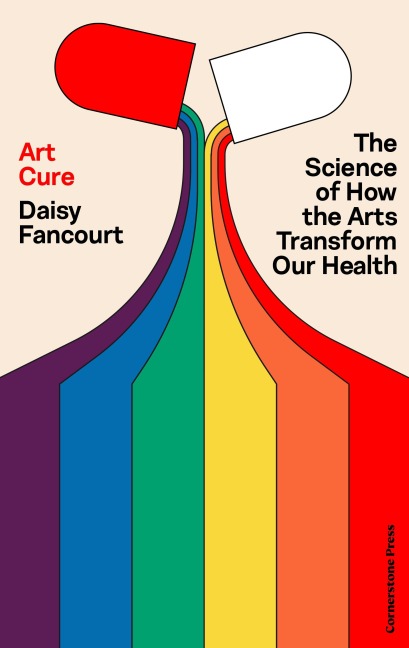
Art Cure: The Science of How the Arts Transform Our Health
-20% with code BOOKS
In stock at our supplier
TOP

Born a Crime: Stories from a South African Childhood
-20% with code BOOKS
In stock
 TOP
TOP

Cartagena Diaries: A Photographic Journey with the Boys of Bel Ami and Corbin Fisher
-20% with code BOOKS
In stock at our supplier
TOP

A Screaming Life: Into the Superunknown with Soundgarden and Beyond
-20% with code BOOKS
In stock at our supplier
TOP
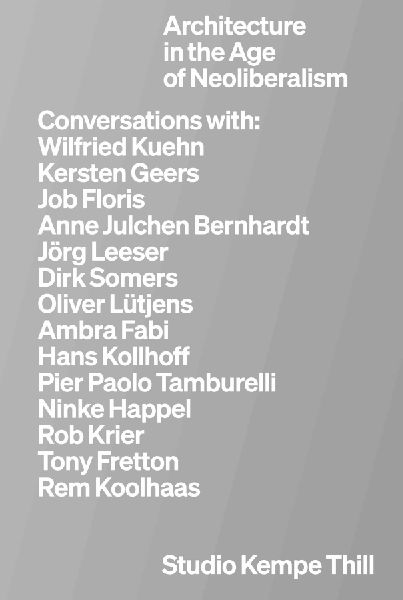
Kempe Thill. Architecture in the Age of Neoliberalism
-20% with code BOOKS
In stock at our supplier
TOP
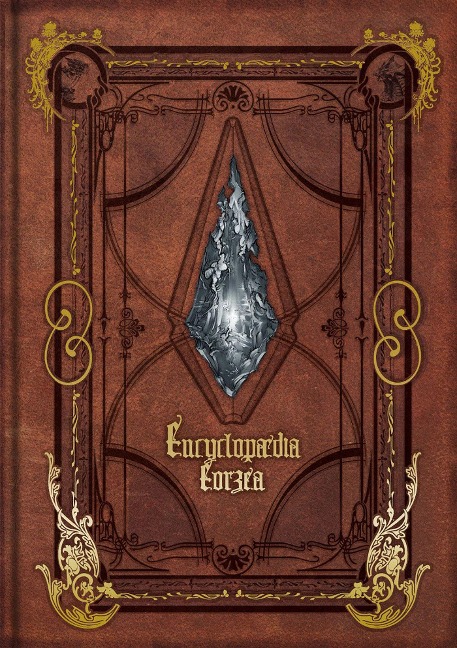
Encyclopaedia Eorzea ~The World of Final Fantasy XIV~ Volume I
-20% with code BOOKS
In stock at our supplier
TOP

Amusing Ourselves to Death: Public Discourse in the Age of Show Business
-20% with code BOOKS
In stock at our supplier
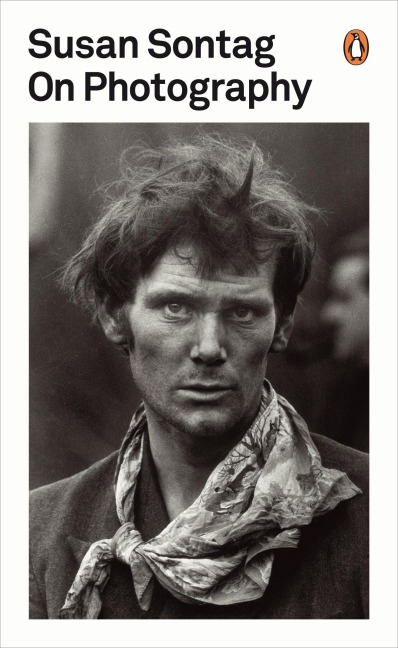 TOP
TOP

25 leichte Etüden: für Klavier op. 100
-20% with code BOOKS
In stock at our supplier
 TOP
TOP

Call It Home: The Details That Matter
-20% with code BOOKS
In stock at our supplier
TOP
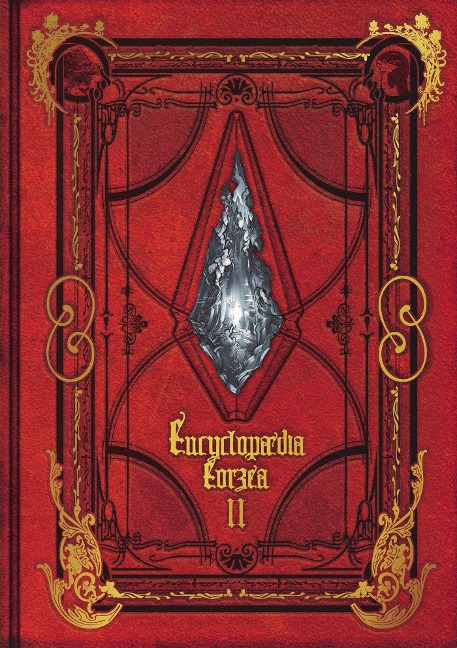
Encyclopaedia Eorzea ~The World of Final Fantasy XIV~ Volume II
-20% with code BOOKS
In stock at our supplier
TOP
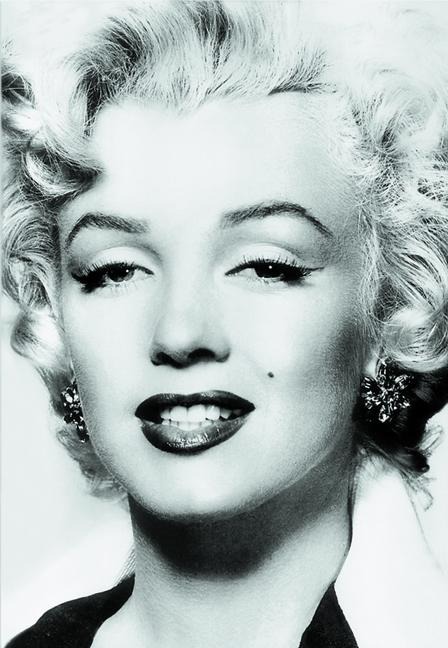
Silver Marilyn. Marilyn Monroe und die Kamera: Photographien 1945-1962
-20% with code BOOKS
In stock at our supplier
TOP

The Art of Home: A Designer Guide to Creating an Elevated Yet Approachable Home
-20% with code BOOKS
In stock at our supplier
TOP

Little Book of Cartier: The story of the iconic jewellery brand
-20% with code BOOKS
In stock at our supplier
 TOP
TOP

This is Your Brain on Music: Understanding a Human Obsession
-20% with code BOOKS
In stock at our supplier
 TOP
TOP

Mega Builds: Ten Colossal Construction Projects That Will Change Our World
-20% with code BOOKS
In stock at our supplier
Description
Source: Wikipedia. Pages: 74. Chapters: Allied Artists Association, Camden Town Group, Cloisonnism, Cumberland Market Group, Divisionism, Fauvism, Foundation E.G. Bührle, History of painting, Jen¿ Szervánszky, Les Nabis, Luminism (Impressionism), Neo-Fauvism, Neo-impressionism, Outline of painting history, Paul Gauguin Cultural Center, Paul Gauguin Museum (Tahiti), Pointillism, Pont-Aven School, Rouen School, Synthetism, The Volpini Exhibition, 1889. Excerpt: The history of painting reaches back in time to artifacts from pre-historic humans, and spans all cultures. It represents a continuous, though periodically disrupted tradition from Antiquity. Across cultures, and spanning continents and millennia, the history of painting is an ongoing river of creativity, that continues into the 21st century. Until the early 20th century it relied primarily on representational, religious and classical motifs, after which time more purely abstract and conceptual approaches gained favor. Developments in Eastern painting historically parallel those in Western painting, in general, a few centuries earlier. African art, Jewish art, Islamic art, Indian art, Chinese art, and Japanese art each had significant influence on Western art, and, eventually, vice-versa. Initially serving utilitarian purpose, followed by imperial, private, civic, and religious patronage, Eastern and Western painting later found audiences in the aristocracy and the middle class. From the Modern era, the Middle Ages through the Renaissance painters worked for the church and a wealthy aristocracy. Beginning with the Baroque era artists received private commissions from a more educated and prosperous middle class. Finally in the west the idea of "art for art's sake" began to find expression in the work of the Romantic painters like Francisco de Goya, John Constable, and J.M.W. Turner. During the 19th century the rise of the commercial art gallery provided patronage in the 20th century. The oldest known paintings are at the Grotte Chauvet in France, claimed by some historians to be about 32,000 years old. They are engraved and painted using red ochre and black pigment and show horses, rhinoceros, lions, buffalo, mammoth or humans often hunting. There are examples of cave paintings all over the world¿in France, India, Spain, Portugal, China, Australia etc. Various conjectures have been made as to the meaning these paintings had to the people that made them. Prehistoric m
More Information
| Publisher | Books LLC, Reference Series |
|---|---|
| Release year | 2016 |
| Cover type | Softcover |
| EAN | 9781156861011 |