
Poverty Traps -

-20% with code BOOKS
Shipping in 15-21 days
30-day return policy
Much popular belief--and public policy--rests on the idea that those born into poverty have it in their power to escape. But the persistence of poverty and ever-growing economic inequality around the world have led many economists to seriously question the model of individual economic self-determination when it comes to the poor. In Poverty Traps, Samuel Bowles, Steven Durlauf, Karla Hoff, and the book's ot ... Full description
You May Also Like
 TOP
TOP


Ocean: Earth's Last Wilderness
David Attenborough, Colin Butfield
-20% with code BOOKS
In stock at our supplier
TOP
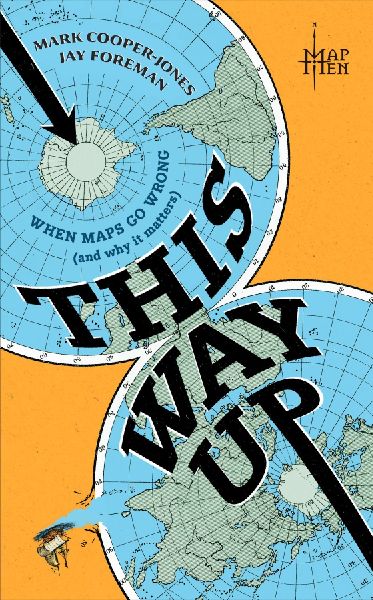
This Way Up: When Maps Go Wrong (and Why it Matters)
-20% with code BOOKS
In stock at our supplier
TOP

They Poisoned the World: Life and Death in the Age of Forever Chemicals
-20% with code BOOKS
In stock at our supplier
TOP
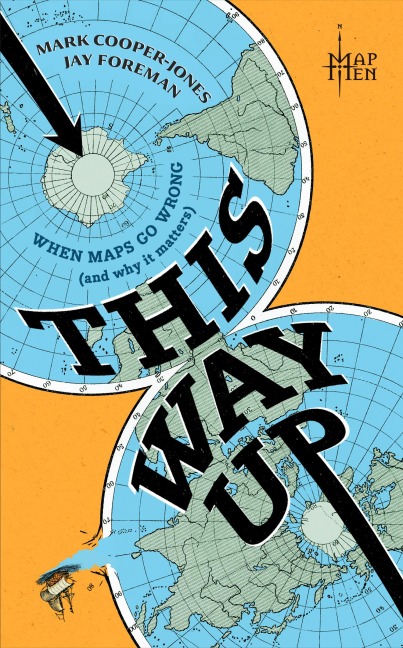
This Way Up: When Maps Go Wrong (and Why it Matters)
-20% with code BOOKS
In stock at our supplier
TOP

The Word for World Is Water: World-Building and Creative Resistance Through Liquid Alliances
-20% with code BOOKS
In stock at our supplier
TOP

The Forest Unseen: A Year's Watch in Nature
-20% with code BOOKS
In stock at our supplier
TOP

An Immense World: How Animal Senses Reveal the Hidden Realms Around Us
-20% with code BOOKS
In stock at our supplier
TOP

Earth: The Definitive Visual Guide
-20% with code BOOKS
In stock at our supplier
TOP

Statistical Rethinking: A Bayesian Course with Examples in R and STAN
-20% with code BOOKS
In stock at our supplier
TOP

All We Can Save: Truth, Courage, and Solutions for the Climate Crisis
-20% with code BOOKS
In stock at our supplier
TOP
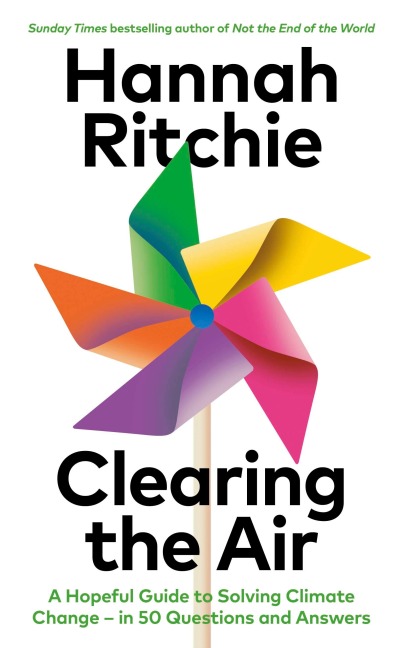
Clearing the Air: A Hopeful Guide to Solving Climate Change - in 50 Questions and Answers
-20% with code BOOKS
In stock at our supplier
TOP
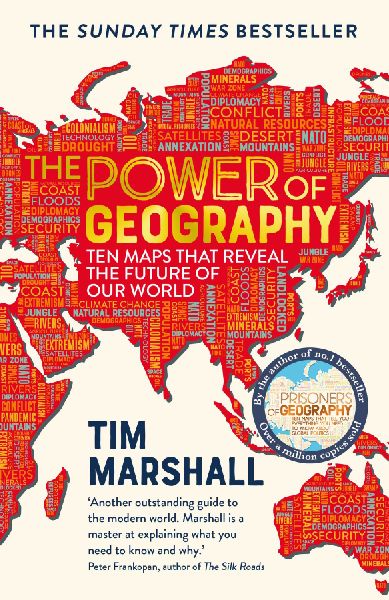
The Power of Geography: Ten Maps That Reveal the Future of Our World
-20% with code BOOKS
In stock at our supplier
TOP

Hinterlands: Journeys through Europe's Unfinished Frontiers
-20% with code BOOKS
In stock at our supplier
 TOP
TOP
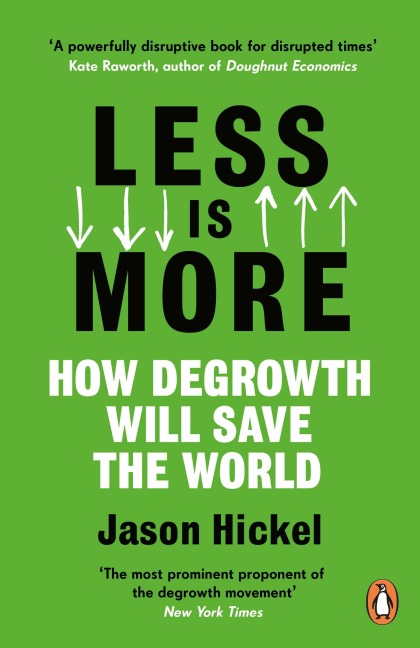
Less is More: How Degrowth Will Save the World
-20% with code BOOKS
In stock at our supplier
TOP

Stahl's Essential Psychopharmacology: Neuroscientific Basis and Practical Applications
-20% with code BOOKS
In stock at our supplier
TOP

The Earth Transformed: An Untold History
-20% with code BOOKS
In stock at our supplier
TOP

Last Chance to See
Douglas Adams, Mark Carwardine
-20% with code BOOKS
In stock at our supplier
TOP

The Hidden Life of Trees: What They Feel, How They Communicate
-20% with code BOOKS
In stock at our supplier
TOP

Nature's Last Dance: 'Will leave you surging with a desire to make the planet a better place' Professor Adam Hart
-20% with code BOOKS
In stock at our supplier
Description
Much popular belief--and public policy--rests on the idea that those born into poverty have it in their power to escape. But the persistence of poverty and ever-growing economic inequality around the world have led many economists to seriously question the model of individual economic self-determination when it comes to the poor. In Poverty Traps, Samuel Bowles, Steven Durlauf, Karla Hoff, and the book's other contributors argue that there are many conditions that may trap individuals, groups, and whole economies in intractable poverty. For the first time the editors have brought together the perspectives of economics, economic history, and sociology to assess what we know--and don't know--about such traps. Among the sources of the poverty of nations, the authors assign a primary role to social and political institutions, ranging from corruption to seemingly benign social customs such as kin systems. Many of the institutions that keep nations poor have deep roots in colonial history and persist long after their initial causes are gone. Neighborhood effects--influences such as networks, role models, and aspirations--can create hard-to-escape pockets of poverty even in rich countries. Similar individuals in dissimilar socioeconomic environments develop different preferences and beliefs that can transmit poverty or affluence from generation to generation. The book presents evidence of harmful neighborhood effects and discusses policies to overcome them, with attention to the uncertainty that exists in evaluating such policies.
More Information
| Publisher | Princeton University Press |
|---|---|
| Release year | 2016 |
| Cover type | Softcover |
| EAN | 9780691170930 |