
Psychogeography -

-30% with code BOOKS
Shipping in 12-18 days
30-day return policy
Source: Wikipedia. Pages: 32. Chapters: Association of Autonomous Astronauts, Badaud, Bricolage, Deep map, Dérive, Desire path, Détournement, Flâneur, Genius loci, Hypergraphy, Letterist International, Ley line, London Psychogeographical Association, Neogeography, Nottingham Psychogeographical Unit, Providence Initiative for Psychogeographic Studies, Psy-Geo-Conflux, Sense of place, SFZero, Space in landsca ... Full description
You May Also Like
 TOP
TOP


Ocean: Earth's Last Wilderness
David Attenborough, Colin Butfield
-30% with code BOOKS
In stock at our supplier
TOP
This Way Up: When Maps Go Wrong (and Why it Matters)
-30% with code BOOKS
In stock at our supplier
TOP

They Poisoned the World: Life and Death in the Age of Forever Chemicals
-30% with code BOOKS
In stock at our supplier
TOP

The Word for World Is Water: World-Building and Creative Resistance Through Liquid Alliances
-30% with code BOOKS
In stock at our supplier
TOP
The Forest Unseen: A Year's Watch in Nature
-30% with code BOOKS
In stock at our supplier
TOP
An Immense World: How Animal Senses Reveal the Hidden Realms Around Us
-30% with code BOOKS
In stock at our supplier
TOP

Earth: The Definitive Visual Guide
-30% with code BOOKS
In stock at our supplier
TOP
This Way Up: When Maps Go Wrong (and Why it Matters)
-30% with code BOOKS
In stock at our supplier
TOP

Stahl's Essential Psychopharmacology: Neuroscientific Basis and Practical Applications
-30% with code BOOKS
In stock at our supplier
TOP

All We Can Save: Truth, Courage, and Solutions for the Climate Crisis
-30% with code BOOKS
In stock at our supplier
TOP

Material World: A Substantial Story of Our Past and Future
-30% with code BOOKS
In stock at our supplier
TOP
Clearing the Air: A Hopeful Guide to Solving Climate Change - in 50 Questions and Answers
-30% with code BOOKS
In stock at our supplier
TOP

The Power of Geography: Ten Maps That Reveal the Future of Our World
-30% with code BOOKS
In stock at our supplier
TOP
Hinterlands: Journeys through Europe's Unfinished Frontiers
-30% with code BOOKS
In stock at our supplier
 TOP
TOP
Less is More: How Degrowth Will Save the World
-30% with code BOOKS
In stock at our supplier
TOP
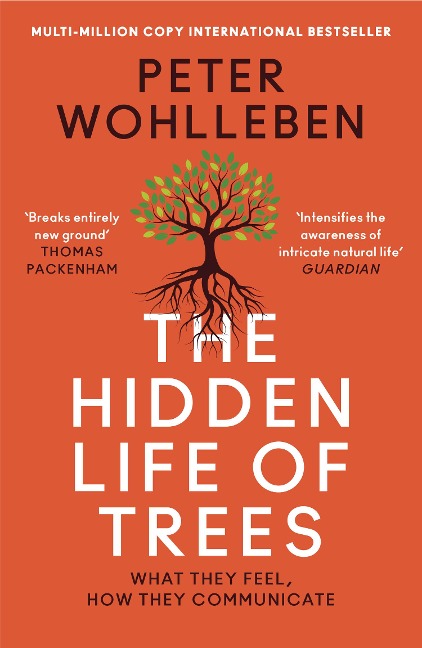
The Hidden Life of Trees: What They Feel, How They Communicate
-30% with code BOOKS
In stock at our supplier
TOP
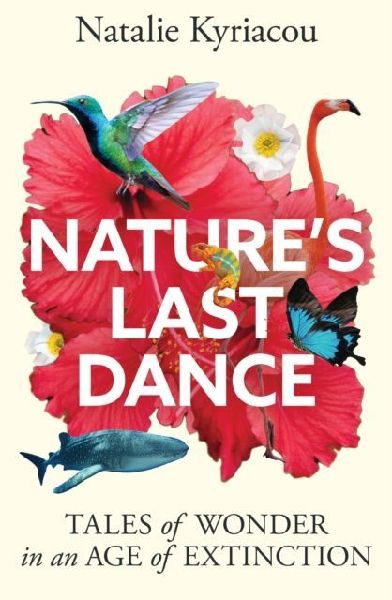
Nature's Last Dance: 'Will leave you surging with a desire to make the planet a better place' Professor Adam Hart
-30% with code BOOKS
In stock at our supplier
TOP
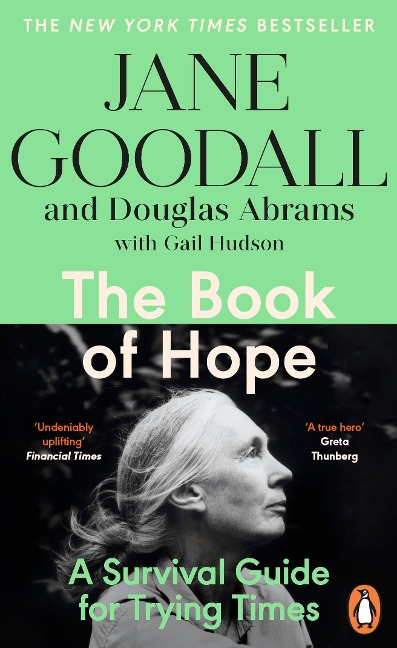
The Book of Hope: A Survival Guide for an Endangered Planet
-30% with code BOOKS
In stock at our supplier
TOP
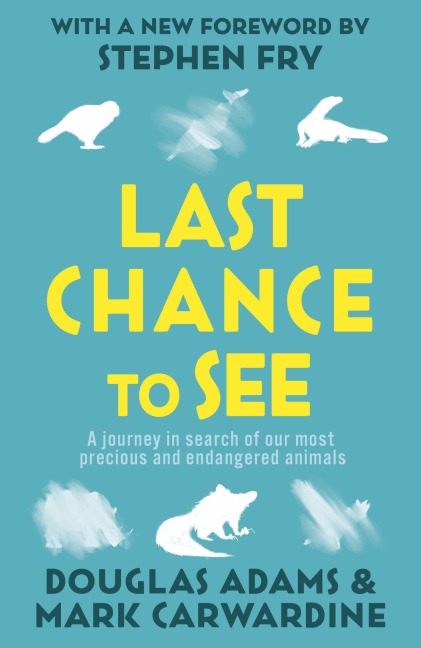
Last Chance to See
Douglas Adams, Mark Carwardine
-30% with code BOOKS
In stock at our supplier
Description
Source: Wikipedia. Pages: 32. Chapters: Association of Autonomous Astronauts, Badaud, Bricolage, Deep map, Dérive, Desire path, Détournement, Flâneur, Genius loci, Hypergraphy, Letterist International, Ley line, London Psychogeographical Association, Neogeography, Nottingham Psychogeographical Unit, Providence Initiative for Psychogeographic Studies, Psy-Geo-Conflux, Sense of place, SFZero, Space in landscape design, Spatialization, Spirit of place, The Workshop for Non-Linear Architecture, Unitary urbanism, Urban exploration, Wayfinding. Excerpt: Flâneur (pronounced: ), from the French noun flâneur, means"stroller", "lounger", "saunterer", "loafer". Flânerie refers to the act of strolling, with all of its accompanying associations. The flâneur was, first of all, a literary type from 19th century France, essential to any picture of the streets of Paris. It carried a set of rich associations: the man of leisure, the idler, the urban explorer, the connoisseur of the street. It was Walter Benjamin, drawing on the poetry of Charles Baudelaire, who made him the object of scholarly interest in the twentieth century, as an emblematic figure of urban, modern experience. Following Benjamin, the flâneur has become an important figure for scholars, artists and writers. Charles BaudelaireThe terms of flânerie date to the 16th or 17th century, denoting strolling, idling, often with the connotation of wasting time. But it was in the 19th century that a rich set of meanings and definitions surrounding the flâneur took shape. The flâneur was defined in a long article in Larousse¿s Grand dictionnaire universel du XIXe siècle (in the 8th volume, from 1872). It described the flâneur in ambivalent terms, equal parts curiosity and laziness and presented a taxonomy of flânerie¿flâneurs of the boulevards, of parks, of the arcades, of cafés, mindless flâneurs and intelligent flâneurs. By then, the term had already developed a rich set of associations. Sainte-Beuve wrote that to flâner ¿is the very opposite of doing nothing.¿ Honoré de Balzac described flânerie as ¿the gastronomy of the eye.¿ Anaïs Bazin wrote that ¿the only, the true sovereign of Paris is the flâneur.¿ Victor Fournel, in Ce qüon voit dans les rues de Paris (What One Sees in the Streets of Paris, 1867), devoted a chapter to ¿the art of flânerie.¿ For Fournel, there was nothing lazy in flânerie. It was, rather, a way of understanding the rich variety of the city landscape. It was a moving photograph (¿un daguerréotype mobile et passioné¿) of urban experience. In the
More Information
| Publisher | Books LLC, Reference Series |
|---|---|
| Release year | 2022 |
| Cover type | Softcover |
| EAN | 9781156792315 |