
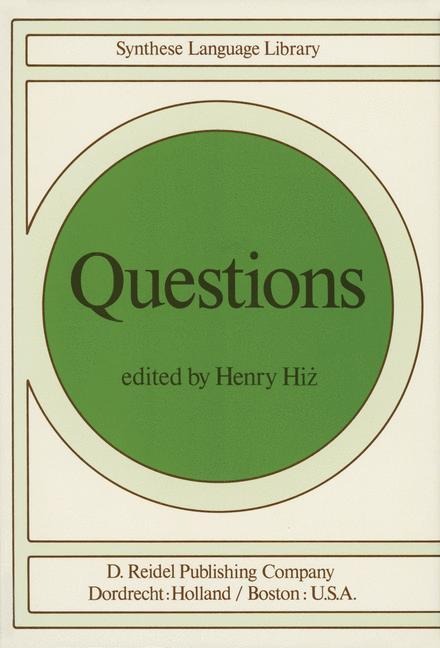
Questions -
-20% with code BOOKS
Shipping in 12-18 days
30-day return policy
To the philosopher, the logician, and the linguist, questions have a special fascination. The two main views of language, that it describes the world, and that it expresses thought, are not directly applicable to questions. Ques tions are not assertions. A question may be apt, sharp, to the point, impor tant, or it may be inappropriate, ambiguous, awkward, irrelevant or irreverent. But it cannot be true o ... Full description
You May Also Like
 TOP
TOP
Technisches Wörterbuch für die Luftfahrt
-20% with code BOOKS
In stock at our supplier
TOP
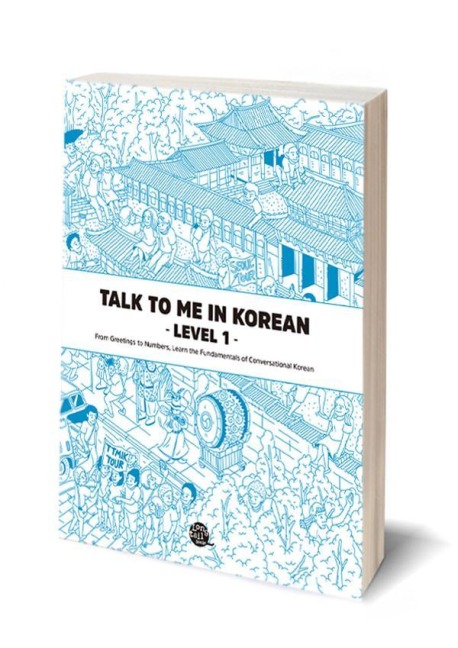
Talk To Me In Korean Workbook - Level 1: New Edition
-20% with code BOOKS
In stock at our supplier
TOP
The Elements of Style - Illustrated
-20% with code BOOKS
In stock at our supplier
TOP
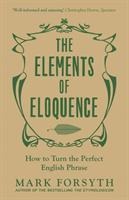
The Elements of Eloquence: How To Turn the Perfect English Phrase
-20% with code BOOKS
In stock at our supplier
TOP
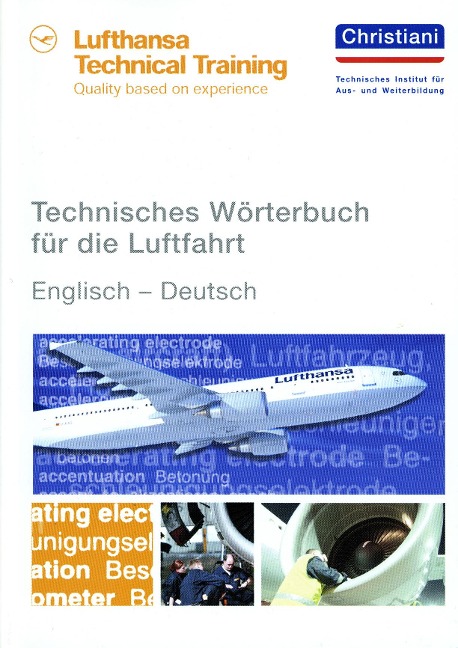
Technisches Wörterbuch für die Luftfahrt: Englisch - Deutsch
-20% with code BOOKS
In stock at our supplier
 TOP
TOP

Access Band 1: 5. Schuljahr - Wordmaster - Vokabellernbuch
-20% with code BOOKS
In stock at our supplier
TOP
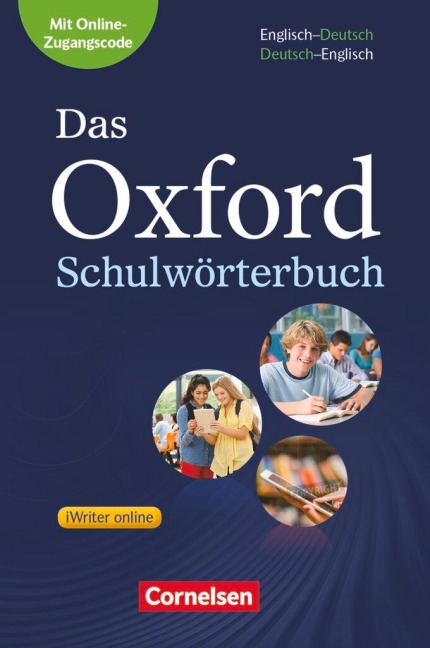
Das Oxford Schulwörterbuch A2-B1: Englisch - Deutsch / Deutsch - Englisch
-20% with code BOOKS
In stock at our supplier
TOP

Bird by Bird: Some Instructions on Writing and Life
-20% with code BOOKS
In stock at our supplier
TOP

How to Talk to Anyone: 92 Little Tricks for Big Success in Relationships
-20% with code BOOKS
In stock
TOP
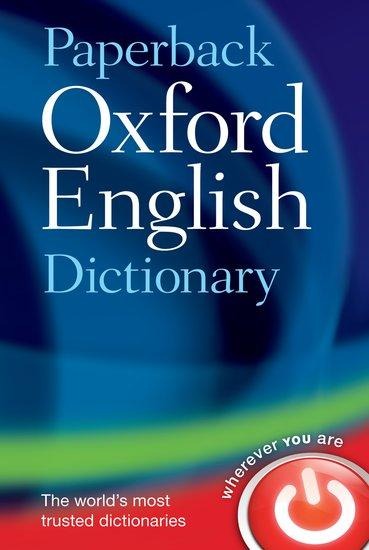
Paperback Oxford English Dictionary
-20% with code BOOKS
In stock at our supplier
TOP

Korean Grammar in Use - Beginning to Intermediate: Free MP3 Audio Download
Jean-myung Ahn, Kyung-ah Lee, Hoo-young Han
-20% with code BOOKS
In stock at our supplier
TOP
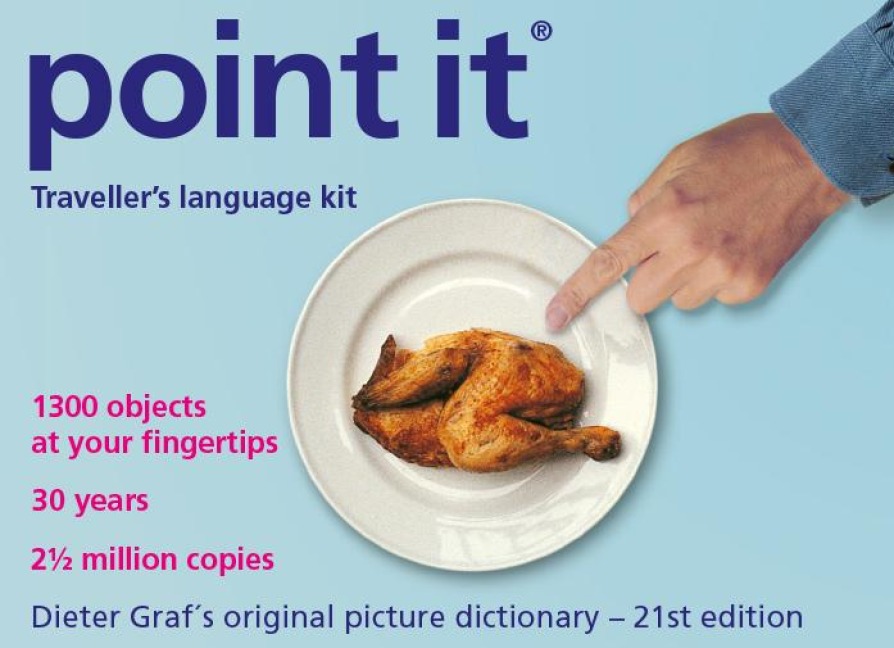
Point it: Traveller's language kit. Bildwörterbuch
-20% with code BOOKS
In stock at our supplier
TOP

Sejong Korean Vocabulary and Grammar 1A
-20% with code BOOKS
In stock at our supplier
TOP
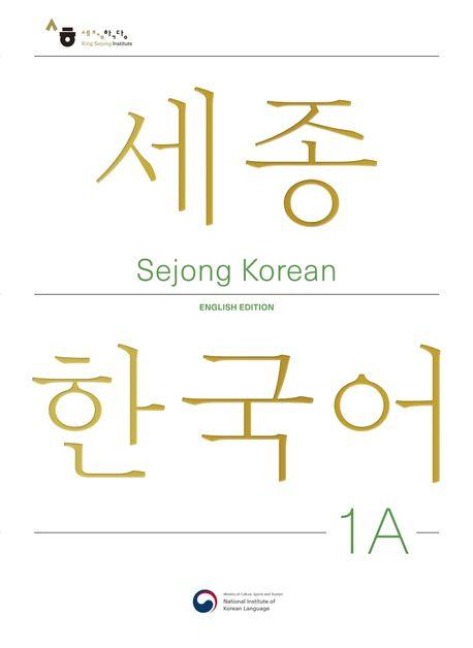
Sejong Korean Student Book 1A - English Edition: Free MP3 Download
-20% with code BOOKS
In stock at our supplier
TOP
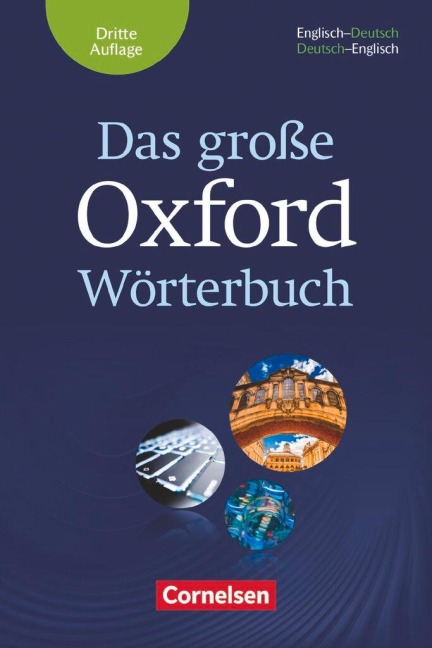
Das große Oxford Wörterbuch: Englisch-Deutsch / Deutsch-Englisch - Mit beigelegtem Exam Trainer
-20% with code BOOKS
In stock at our supplier
TOP

Sejong Korean Vocabulary and Grammar 1B
-20% with code BOOKS
In stock at our supplier
TOP
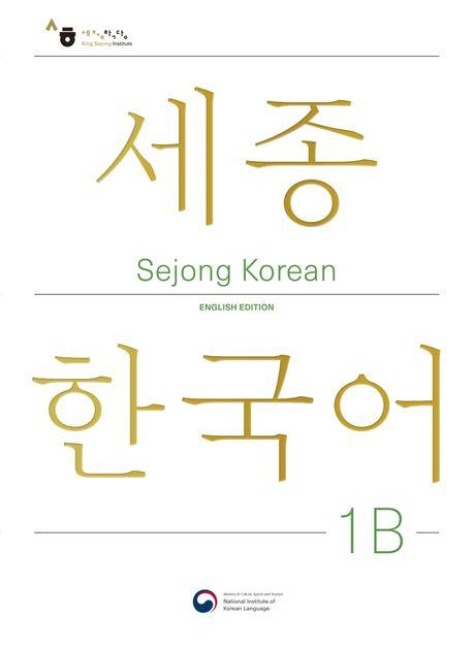
Sejong Korean Student Book 1B - English Edition: Free MP3 Download
-20% with code BOOKS
In stock at our supplier
TOP
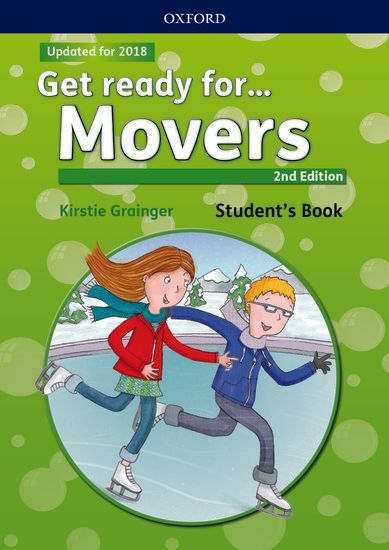
Get ready for...: Movers: Student's Book with downloadable audio
Petrina Cliff, Kirstie Grainger
-20% with code BOOKS
In stock at our supplier
TOP
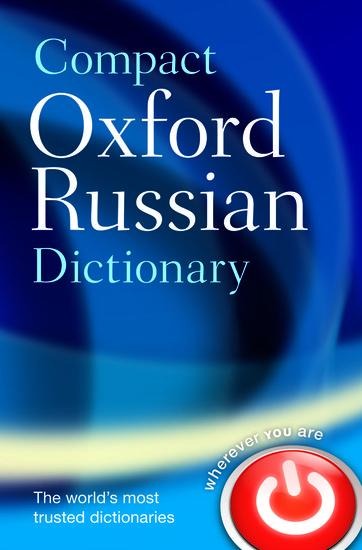
Compact Oxford Russian Dictionary
-20% with code BOOKS
In stock at our supplier
Description
To the philosopher, the logician, and the linguist, questions have a special fascination. The two main views of language, that it describes the world, and that it expresses thought, are not directly applicable to questions. Ques tions are not assertions. A question may be apt, sharp, to the point, impor tant, or it may be inappropriate, ambiguous, awkward, irrelevant or irreverent. But it cannot be true or false. It does not have a truth value not just because an utterance like Was the letter long? does not indicate which letter is being talked about. The indicative The letter was not long has the same indeter minacy. In actual context the anaphoric definite article will be resolved both for a question and for an indicative sentence. Contextual resolutions are easily found for most cross-references. A question cannot be either true or it does not describe a state of affairs. Neither does it express false, because thought, because it is an expression of suspended thought, of lack of judge ment. To dress it in other philosophical styles, a question is not a judgment, it is not a proposition, it is not an assertion. A philosopher may try to paraphrase a question as an indicative sentence, for instance as a statement of ignorance, or as a statement of the desire to know. Hintikka, Wachowicz and Lang explore this territory. Or he may interpret it as a meta statement intimating the direction in which the flow of the discourse is going.
More Information
| Publisher | Springer Netherlands |
|---|---|
| Series | Studies in Linguistics and Philosophy |
| Release year | 1979 |
| Cover type | Softcover |
| EAN | 9789027710352 |