
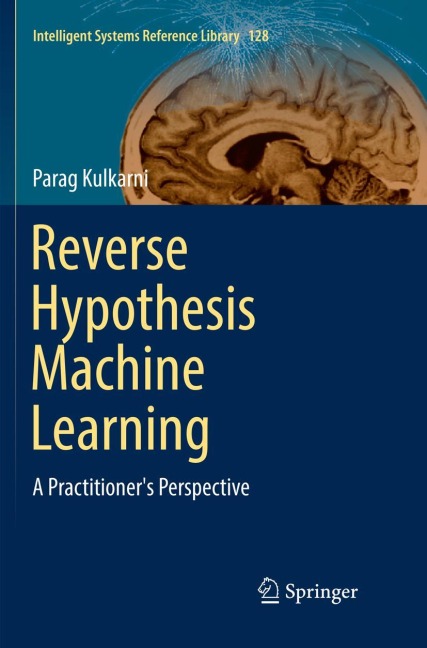
Reverse Hypothesis Machine Learning: A Practitioners Perspective - Parag Kulkarni
-20% with code BOOKS
Shipping in 12-18 days
30-day return policy
This book introduces a paradigm of reverse hypothesis machines (RHM), focusing on knowledge innovation and machine learning. Knowledge- acquisition -based learning is constrained by large volumes of data and is time consuming. Hence Knowledge innovation based learning is the need of time. Since under-learning results in cognitive inabilities and over-learning compromises freedom, there is need for optimal m ... Full description
You May Also Like
 TOP
TOP

Unreasonable Hospitality: The Remarkable Power of Giving People More Than They Expect
-20% with code BOOKS
In stock at our supplier
 TOP
TOP
Never Split the Difference: Negotiating as if Your Life Depended on It
-20% with code BOOKS
In stock
TOP
The 7 Habits of Highly Effective People. 30th Anniversary Edition: Powerful Lessons in Personal Change
Jim Collins, Sean Covey, Stephen R. Covey
-20% with code BOOKS
In stock
TOP

Atomic Habits: An Easy & Proven Way to Build Good Habits & Break Bad Ones
-20% with code BOOKS
In stock at our supplier
TOP
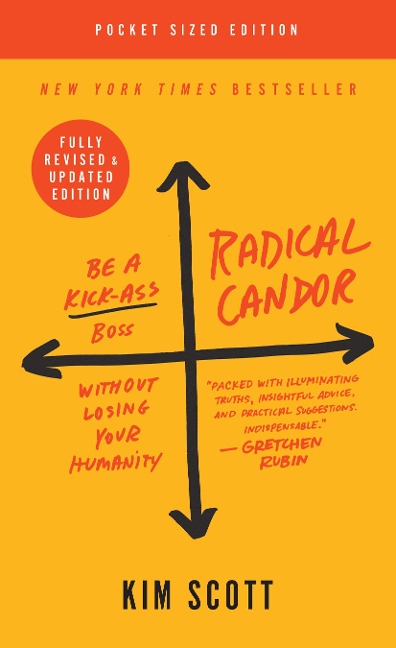
Radical Candor: Be a Kick-Ass Boss Without Losing Your Humanity
-20% with code BOOKS
In stock at our supplier
TOP

The Psychology of Money: Timeless Lessons on Wealth, Greed, and Happiness
-20% with code BOOKS
In stock
TOP

Vienna: How the City of Ideas Created the Modern World
-20% with code BOOKS
In stock at our supplier
TOP

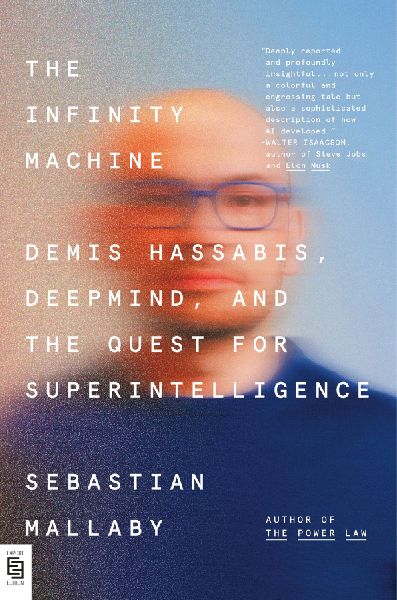
The Infinity Machine: Demis Hassabis, DeepMind, and the Quest for Superintelligence
-20% with code BOOKS
In stock at our supplier
TOP
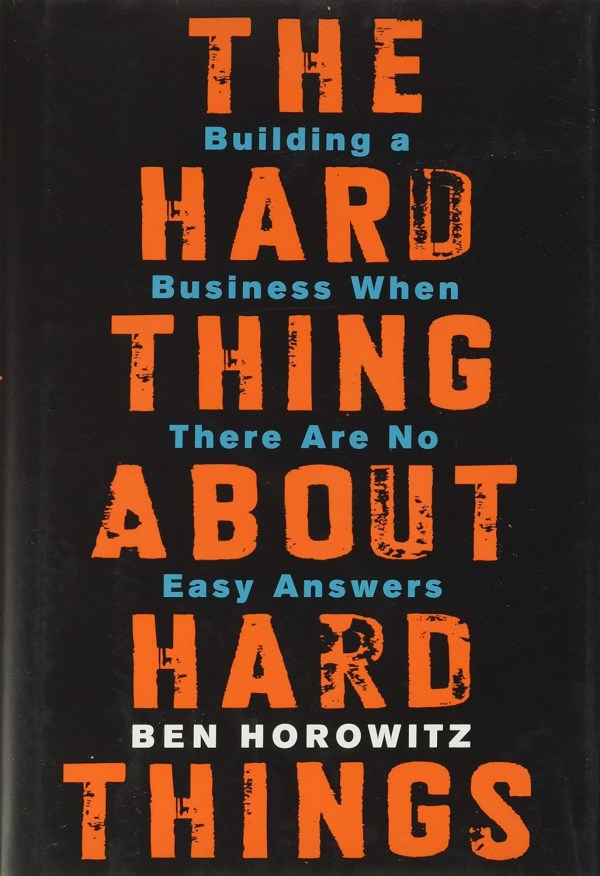
The Hard Thing about Hard Things: Building a Business When There Are No Easy Answers
-20% with code BOOKS
In stock
TOP
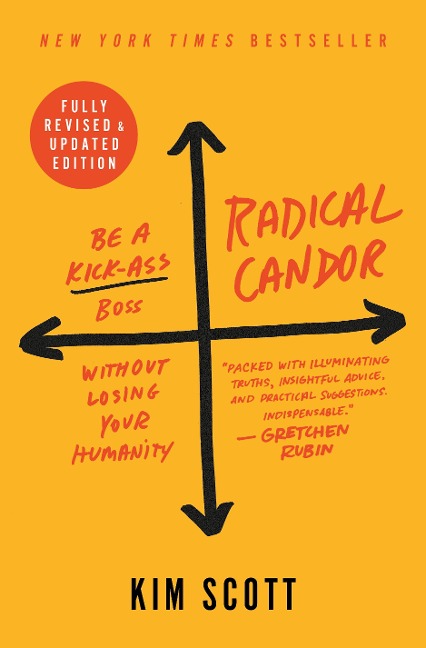
Radical Candor: Be a Kick-Ass Boss Without Losing Your Humanity
-20% with code BOOKS
In stock at our supplier
 TOP
TOP

Co-Intelligence: Living and Working with AI
-20% with code BOOKS
In stock at our supplier
TOP
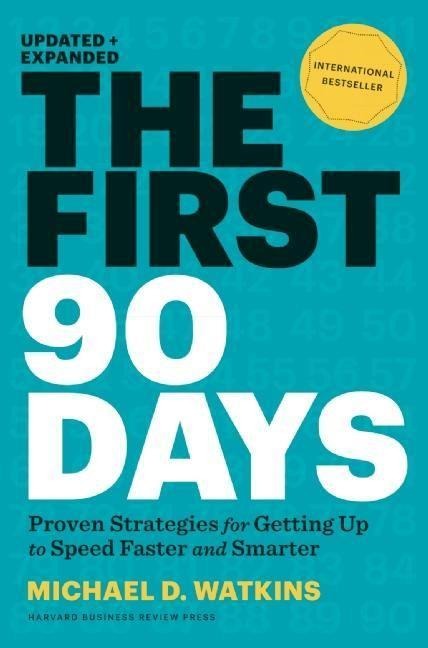
The First 90 Days: Proven Straegies for Getting up to Speed faster and smarter
-20% with code BOOKS
In stock at our supplier
TOP
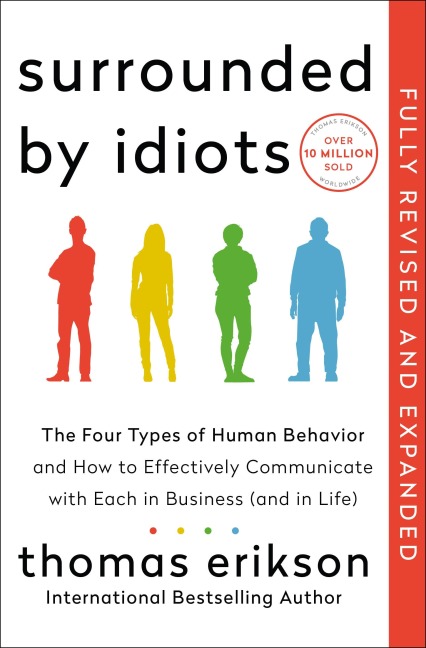
Surrounded by Idiots Revised & Expanded Edition: The Four Types of Human Behavior and How to Effectively Communicate with Each in Business (and in Life)
-20% with code BOOKS
In stock at our supplier
TOP
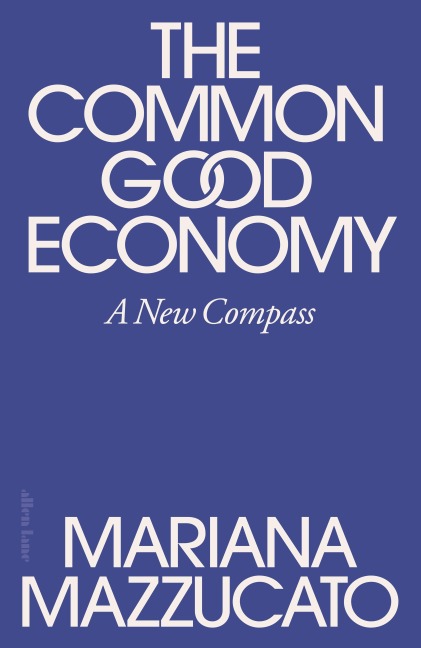
The Common Good Economy: A New Compass
-20% with code BOOKS
In stock at our supplier
TOP
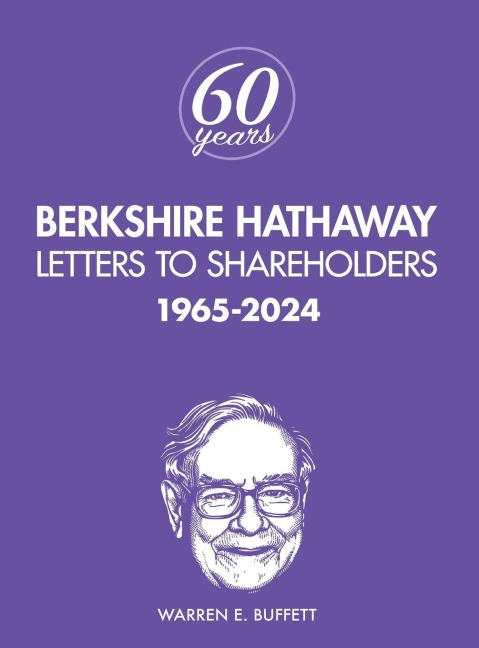
Berkshire Hathaway Letters to Shareholders: 1965-2024
-20% with code BOOKS
In stock at our supplier
TOP

One Up On Wall Street: How To Use What You Already Know To Make Money in the Market
-20% with code BOOKS
In stock at our supplier
TOP
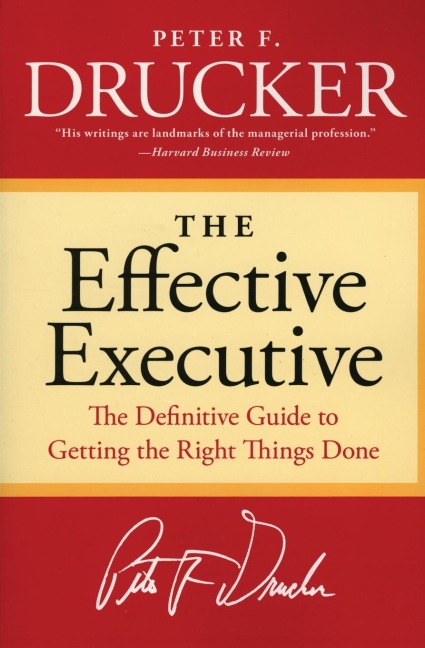
The Effective Executive: The Definitive Guide to Getting the Right Things Done
-20% with code BOOKS
In stock at our supplier
Description
This book introduces a paradigm of reverse hypothesis machines (RHM), focusing on knowledge innovation and machine learning. Knowledge- acquisition -based learning is constrained by large volumes of data and is time consuming. Hence Knowledge innovation based learning is the need of time. Since under-learning results in cognitive inabilities and over-learning compromises freedom, there is need for optimal machine learning. All existing learning techniques rely on mapping input and output and establishing mathematical relationships between them. Though methods change the paradigm remains the same¿the forward hypothesis machine paradigm, which tries to minimize uncertainty. The RHM, on the other hand, makes use of uncertainty for creative learning. The approach uses limited data to help identify new and surprising solutions. It focuses on improving learnability, unlike traditional approaches, which focus on accuracy. The book is useful as a reference book for machine learning researchers and professionals as well as machine intelligence enthusiasts. It can also used by practitioners to develop new machine learning applications to solve problems that require creativity.
More Information
| Author | Parag Kulkarni |
|---|---|
| Publisher | Springer Nature Switzerland |
| Series | Intelligent Systems Reference Library |
| Release year | 2018 |
| Cover type | Softcover |
| EAN | 9783319856261 |