
Rival Reputations - Van Jackson

-20% with code BOOKS
Shipping in 17-23 days
30-day return policy
How has North Korea managed to experience numerous foreign policy crises since the 1960s without escalation to war? Why has North Korea been willing to repeatedly engage in small-scale attacks against the United States and its South Korean ally? And why have U.S. officials in liberal and conservative presidential administrations only rarely taken North Korean threats seriously? In the book Rival Reputations ... Full description
You May Also Like
 TOP
TOP

The Culture Map: Breaking Through the Invisible Boundaries of Global Business
-20% with code BOOKS
In stock
TOP

Atomic Habits: An Easy & Proven Way to Build Good Habits & Break Bad Ones
-20% with code BOOKS
In stock
TOP


The Nord Stream Conspiracy: The Inside Story of the Explosions That Shook the World
-20% with code BOOKS
In stock at our supplier
 TOP
TOP

Women Who Run with the Wolves: Myths and Stories of the Wild Woman Archetype
Clarissa Pinkola Estés, Clarissa Pinkola Estes
-20% with code BOOKS
In stock at our supplier
TOP
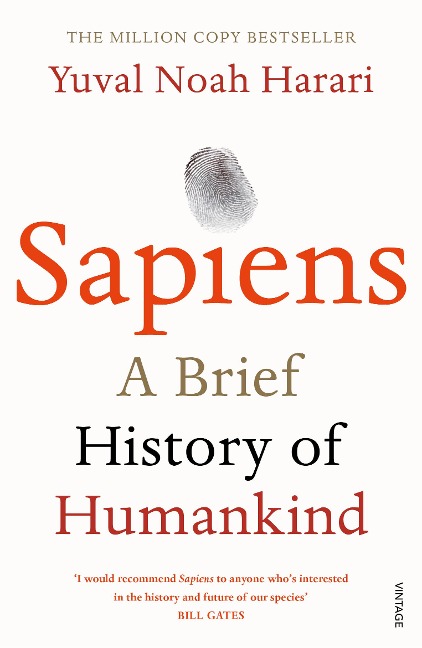
Sapiens: A Brief History of Humankind
-20% with code BOOKS
In stock at our supplier
TOP

How Democracies Die
Steven Levitsky, Daniel Ziblatt
-20% with code BOOKS
In stock at our supplier
TOP

Prisoners of Geography: Updated 10th Anniversary Edition: Ten Maps That Tell You Everything You Need To Know About Global Politics
-20% with code BOOKS
In stock at our supplier
TOP

Classic Football Shirts
Classic Football Shirts, Rory Smith
-20% with code BOOKS
In stock at our supplier
 TOP
TOP

The Whole-Brain Child: 12 Revolutionary Strategies to Nurture Your Child's Developing Mind
Daniel J. Siegel, Tina Payne Bryson
-20% with code BOOKS
In stock at our supplier
 TOP
TOP

Everything I Know About Love: Now a Major BBC One Series
-20% with code BOOKS
In stock
TOP

Braiding Sweetgrass: Indigenous Wisdom, Scientific Knowledge and the Teachings of Plants
-20% with code BOOKS
In stock at our supplier
TOP

The Unabridged Journals of Sylvia Plath
-20% with code BOOKS
In stock at our supplier
 TOP
TOP

To Kill a Mockingbird. 60th Anniversary Edition
-20% with code BOOKS
In stock at our supplier
 TOP
TOP

The Testaments: The Sequel to The Handmaid's Tale
-20% with code BOOKS
In stock at our supplier
TOP
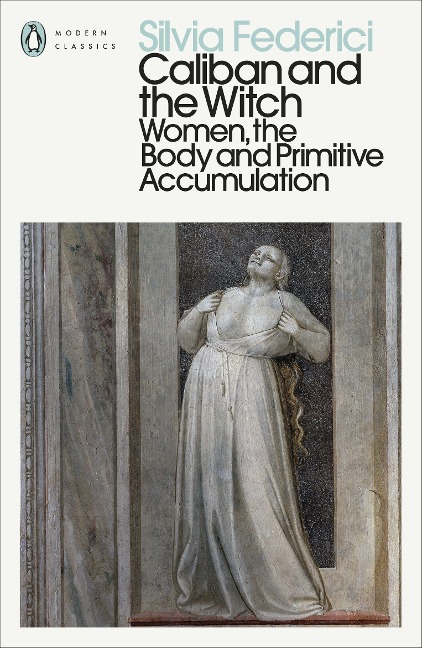
Caliban and the Witch: Women, the Body and Primitive Accumulation
-20% with code BOOKS
In stock at our supplier
Description
More Information
| Author | Van Jackson |
|---|---|
| Publisher | Cambridge University Press |
| Release year | 2016 |
| Cover type | Hardcover |
| EAN | 9781107133310 |