
Screening for Biological Response Modifiers: Methods and Rationale - R. K. Oldham,Isaiah J. Fidler,James E. Talmadge

-30% with code BOOKS
Shipping in 17-23 days
30-day return policy
The observation in the 1950s that nitrogen mustard and other toxic chemicals could induce antitumor responses in patients with refractory lymphoma initiated a massive search for active chemotherapeutic agents. The initial observations stimulated a search for new chemotherapeutic agents which might have increased antitumor activity with less toxicity for normal tissues. To aid in the search for these new che ... Full description
You May Also Like
 TOP
TOP

The Myth of Normal: Trauma, Illness, and Healing in a Toxic Culture
-30% with code BOOKS
In stock
TOP
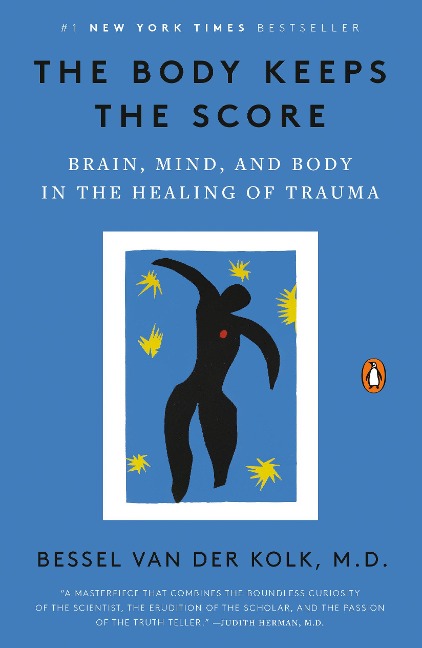
The Body Keeps the Score: Brain, Mind, and Body in the Healing of Trauma
-30% with code BOOKS
In stock at our supplier
TOP
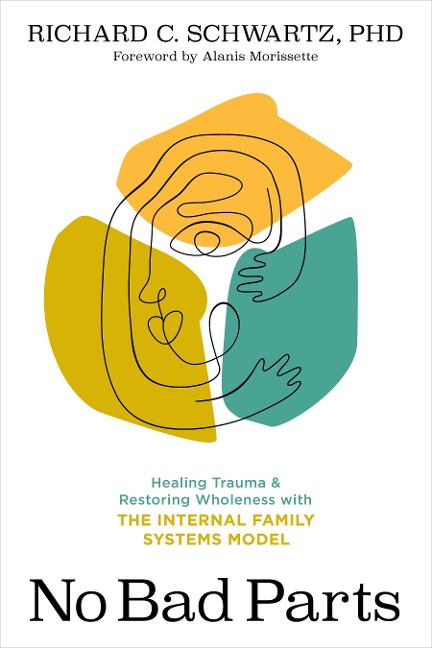
No Bad Parts: Healing Trauma and Restoring Wholeness with the Internal Family Systems Model
-30% with code BOOKS
In stock at our supplier
TOP
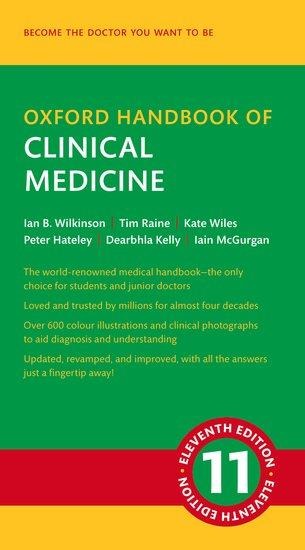
Oxford Handbook of Clinical Medicine
Peter Hateley, Iain McGurgan, Ian B. Wilkinson, Tim Raine, Dearbhla Kelly, Kate Wiles
-30% with code BOOKS
In stock at our supplier
TOP
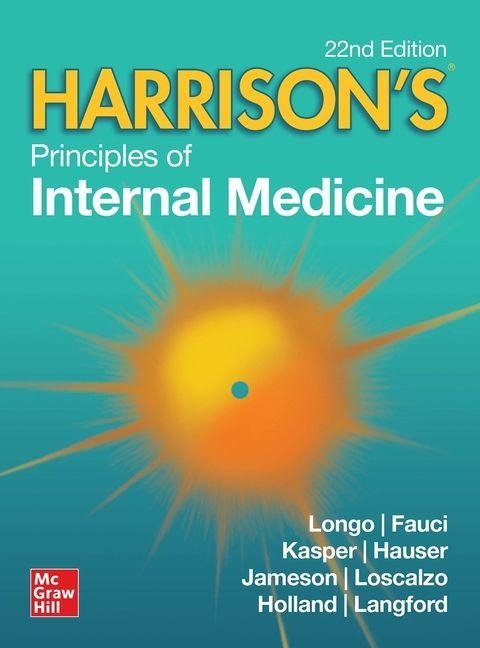
Harrison's Principles of Internal Medicine (Vol.1 & Vol.2)
Stephen Hauser, Joseph Loscalzo, Steven Holland, Dan Longo, J. Larry Jameson, Dennis Kasper, Carol Langford, Anthony Fauci
-30% with code BOOKS
In stock at our supplier
TOP

The Checklist Manifesto: How to Get Things Right
-30% with code BOOKS
In stock at our supplier
 TOP
TOP

Maybe You Should Talk to Someone: a therapist, her thearapist, and our lives revealed
-30% with code BOOKS
In stock at our supplier
TOP

On Connection: 'Powerful' MATT HAIG
-30% with code BOOKS
In stock at our supplier
 TOP
TOP
How Not To Die: Discover the foods scientifically proven to prevent and reverse disease
-30% with code BOOKS
In stock at our supplier
TOP
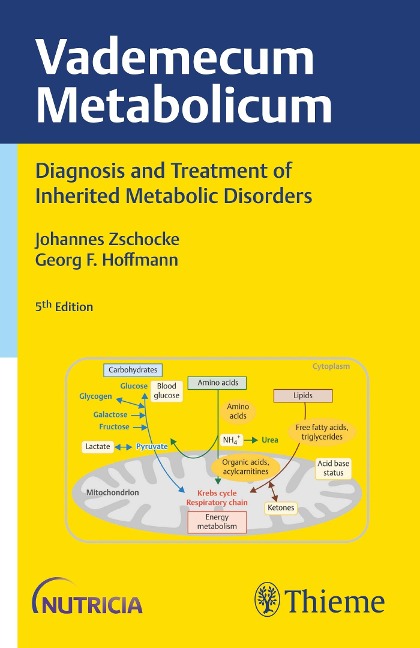
Vademecum Metabolicum: Diagnosis and Treatment of Inborn Errors of Metabolism Forword by William L. Nyhan, San Diego, USA
Johannes Zschocke, Georg F. Hoffmann
-30% with code BOOKS
In stock at our supplier
TOP

Cellular and Molecular Immunology
Sarah Henrickson, Abul K. Abbas, Andrew H. Lichtman, Shiv Pillai
-30% with code BOOKS
In stock at our supplier
TOP

McGee's Evidence-Based Physical Diagnosis
-30% with code BOOKS
In stock at our supplier
TOP
Physics, Pharmacology and Physiology for Anaesthetists: Key Concepts for the FRCA
Matthew E. Cross, Emma V. E. Plunkett
-30% with code BOOKS
In stock at our supplier
TOP

Being Mortal: Medicine and What Matters in the End
-30% with code BOOKS
In stock at our supplier
TOP
Pocket Guide to Teaching for Clinical Instructors
-30% with code BOOKS
In stock at our supplier
TOP
Oxford Handbook of Critical Care
Andrew Webb, Mervyn Singer, Alice Carter
-30% with code BOOKS
In stock at our supplier
TOP
The Wills Eye Manual: Print + eBook with Multimedia: Office and Emergency Room Diagnosis and Treatment of Eye Disease
-30% with code BOOKS
In stock at our supplier
TOP


Who Deserves Your Love: How to Create Boundaries to Start, Strengthen or End Any Relationship
-30% with code BOOKS
In stock at our supplier
Description
The observation in the 1950s that nitrogen mustard and other toxic chemicals could induce antitumor responses in patients with refractory lymphoma initiated a massive search for active chemotherapeutic agents. The initial observations stimulated a search for new chemotherapeutic agents which might have increased antitumor activity with less toxicity for normal tissues. To aid in the search for these new chemicals and to attempt to distinguish among the many toxic chemicals which might be candidates for clinical studies, the National Cancer Institute, the pharmaceutical industry, and the cancer research laboratories of most Western nations developed systems for "screening" drugs for antitumor activity. Perhaps the most extensive screening program was established by the National Cancer Institute (1). This screening program has evolved over the last two decades, an evolution which has been repeatedly reviewed (2-5). Various screening programs in use have examined over 500,000 compounds as potential anticancer agents. From these, there are now approximately forty anticancer drugs in clinical use. The utiliy of these compounds and their toxicities have been reviewed on many occasions. It is now apparent that more active and less toxic anticancer drugs are needed. It is also clear that the current screening programs are identifying compounds with similar levels of activity and with continuing moderate to severe toxicity (6).
More Information
| Author | R. K. Oldham, Isaiah J. Fidler, James E. Talmadge |
|---|---|
| Publisher | Springer US |
| Series | Developments in Oncology |
| Release year | 1985 |
| Cover type | Hardcover |
| EAN | 9780898387124 |