
Self-Interviews - James Dickey

-20% with code BOOKS
Shipping in 15-21 days
30-day return policy
In Self-Interviews, James Dickey speaks thoughtfully and with candor of his life as a poet. He recalls how poetry came to be his career, tracing its growing importance in his life from his youth in Georgia through his years overseas with the Air Force, as a student at Vanderbilt, as a teacher, and as a successful advertising executive. He also tells of how he reworked the life around him into poetry, of the ... Full description
You May Also Like

 TOP
TOP

"Surely You're Joking, Mr. Feynman!": Adventures of a Curious Character
-20% with code BOOKS
In stock at our supplier
 TOP
TOP

The Let Them Theory: A Life-Changing Tool That Millions of People Cant Stop Talking About
-20% with code BOOKS
In stock at our supplier
TOP
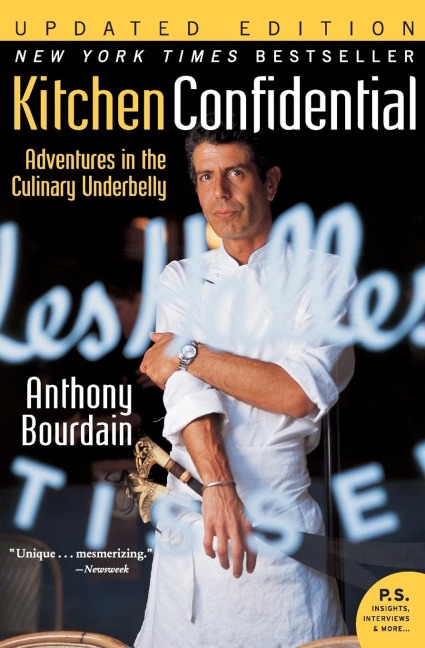
Kitchen Confidential: Adventures in the Culinary Underbelly
-20% with code BOOKS
In stock at our supplier
TOP

Ocean: Earth's Last Wilderness
David Attenborough, Colin Butfield
-20% with code BOOKS
In stock at our supplier

 TOP
TOP

Devotions: The Selected Poems of Mary Oliver
-20% with code BOOKS
In stock at our supplier
TOP
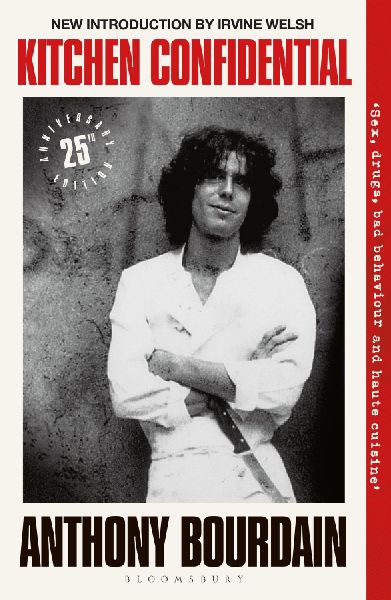
Kitchen Confidential. 25th Anniversary Edition
-20% with code BOOKS
In stock at our supplier
 TOP
TOP

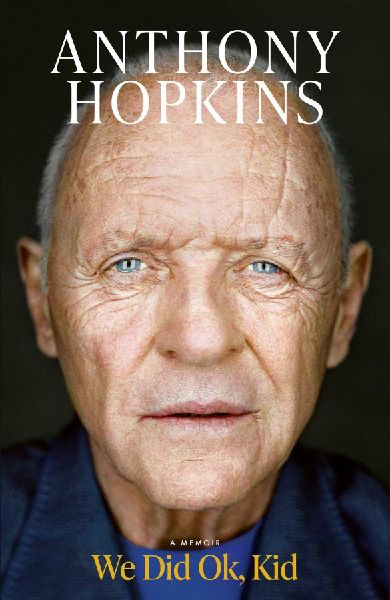
We Did Ok, Kid: The Sunday Times bestselling memoir
-20% with code BOOKS
In stock at our supplier
 TOP
TOP
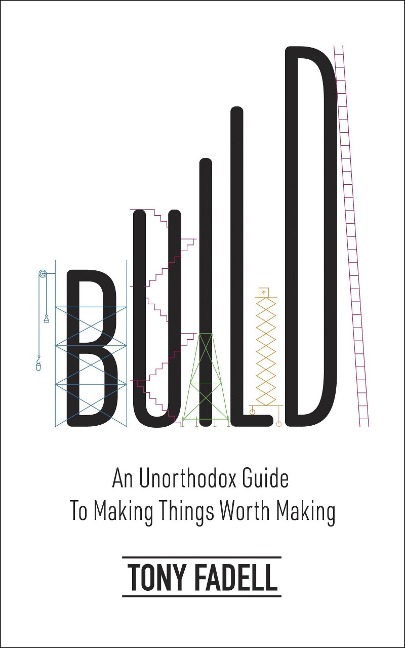
Build: An Unorthodox Guide to Making Things Worth Making
-20% with code BOOKS
In stock at our supplier

Description
More Information
| Author | James Dickey |
|---|---|
| Publisher | LSU Press |
| Release year | 1984 |
| Cover type | Softcover |
| EAN | 9780807111413 |