
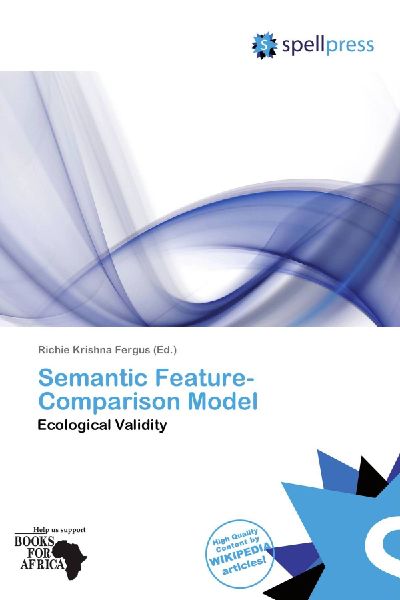
Semantic Feature-Comparison Model: Ecological Validity -

-20% with code BOOKS
Shipping in 15-21 days
30-day return policy
Please note that the content of this book primarily consists of articles available from Wikipedia or other free sources online. The feature-comparison model is a psychological theory of semantic memory hypothesized by Smith, Shoben and Rips (1974). The feature-Comparison model was purposed in contrast to the semantic network approach that was purposed by Collins and Quillian. The feature-comparison model is ... Full description
You May Also Like
 TOP
TOP

The Culture Map: Breaking Through the Invisible Boundaries of Global Business
-20% with code BOOKS
In stock
TOP

Atomic Habits: An Easy & Proven Way to Build Good Habits & Break Bad Ones
-20% with code BOOKS
In stock
TOP

The Nord Stream Conspiracy: The Inside Story of the Explosions That Shook the World
-20% with code BOOKS
Out of stock
 TOP
TOP

Prisoners of Geography: Updated 10th Anniversary Edition: Ten Maps That Tell You Everything You Need To Know About Global Politics
-20% with code BOOKS
In stock at our supplier
TOP

Women Who Run with the Wolves: Myths and Stories of the Wild Woman Archetype
Clarissa Pinkola Estés, Clarissa Pinkola Estes
-20% with code BOOKS
In stock at our supplier
TOP
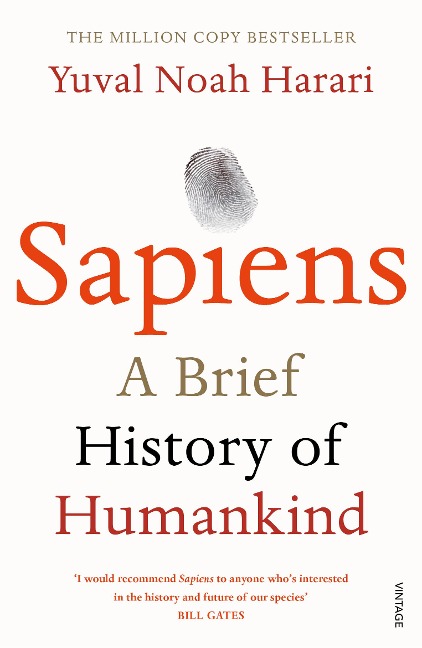
Sapiens: A Brief History of Humankind
-20% with code BOOKS
In stock at our supplier
TOP

How Democracies Die
Steven Levitsky, Daniel Ziblatt
-20% with code BOOKS
In stock at our supplier
TOP

Classic Football Shirts
Classic Football Shirts, Rory Smith
-20% with code BOOKS
In stock at our supplier
 TOP
TOP

The Whole-Brain Child: 12 Revolutionary Strategies to Nurture Your Child's Developing Mind
Daniel J. Siegel, Tina Payne Bryson
-20% with code BOOKS
In stock at our supplier
 TOP
TOP
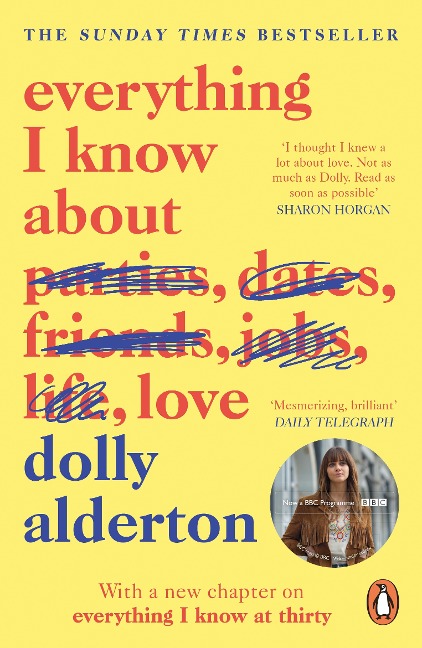
Everything I Know About Love: Now a Major BBC One Series
-20% with code BOOKS
In stock
TOP

Braiding Sweetgrass: Indigenous Wisdom, Scientific Knowledge and the Teachings of Plants
-20% with code BOOKS
In stock at our supplier
 TOP
TOP

The Unabridged Journals of Sylvia Plath
-20% with code BOOKS
In stock at our supplier
 TOP
TOP

To Kill a Mockingbird. 60th Anniversary Edition
-20% with code BOOKS
In stock at our supplier
TOP
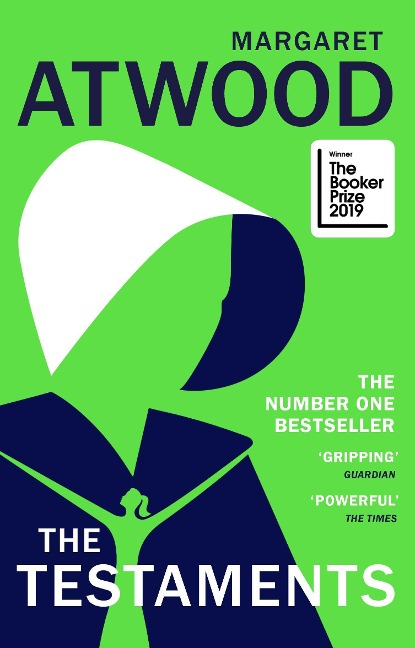
The Testaments: The Sequel to The Handmaid's Tale
-20% with code BOOKS
Out of stock
TOP
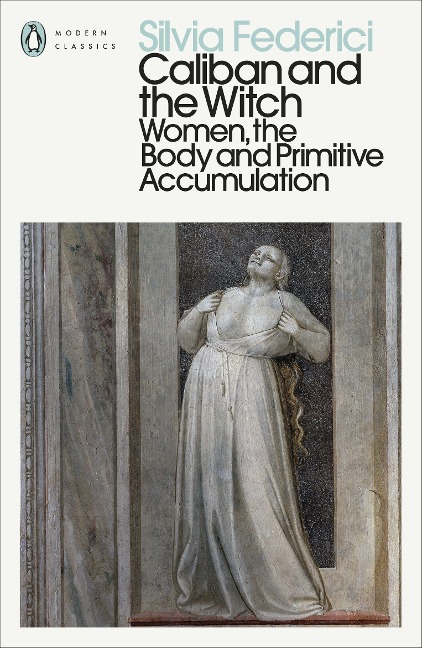
Caliban and the Witch: Women, the Body and Primitive Accumulation
-20% with code BOOKS
In stock at our supplier
Description
More Information
| Publisher | OmniScriptum |
|---|---|
| Release year | 2026 |
| Cover type | Softcover |
| EAN | 9786138685142 |