
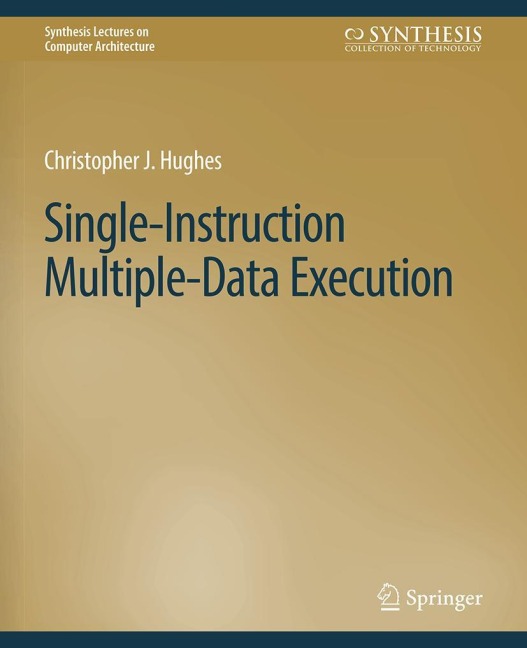
Single-Instruction Multiple-Data Execution - Christopher J. Hughes
-20% with code BOOKS
Shipping in 12-18 days
30-day return policy
Having hit power limitations to even more aggressive out-of-order execution in processor cores, many architects in the past decade have turned to single-instruction-multiple-data (SIMD) execution to increase single-threaded performance. SIMD execution, or having a single instruction drive execution of an identical operation on multiple data items, was already well established as a technique to efficiently e ... Full description
You May Also Like


 TOP
TOP

If Anyone Builds It, Everyone Dies: The Case Against Superintelligent AI
Eliezer Yudkowsky, Nate Soares
-20% with code BOOKS
In stock at our supplier
TOP


We Are Not Machines: The Fight for the Future of Work
-20% with code BOOKS
In stock at our supplier
TOP
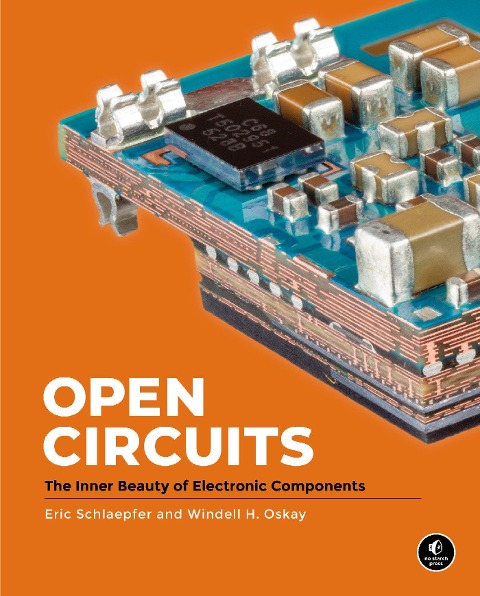
Open Circuits: The Inner Beauty of Electronic Components
Eric Schlaepfer, Windell Oskay
-20% with code BOOKS
In stock at our supplier
TOP
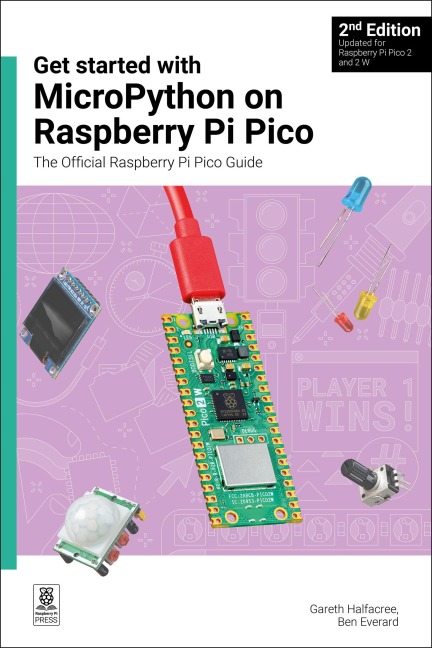
Get started with MicroPython on Raspberry Pi Pico: The Official Raspberry Pi Pico Guide
-20% with code BOOKS
In stock at our supplier
TOP
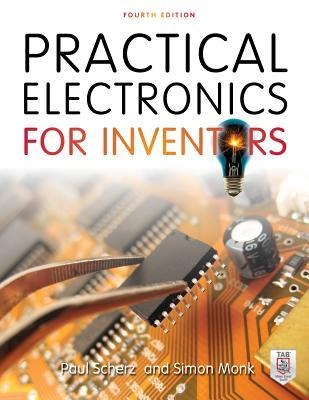
Practical Electronics for Inventors
-20% with code BOOKS
In stock at our supplier
TOP

Fundamentals of Aerodynamics ISE
Christopher Cadou, John D. Anderson
-20% with code BOOKS
In stock at our supplier
TOP

Nucleo Boards Programming with the STM32CubeIDE: Hands-on in more than 50 projects
-20% with code BOOKS
In stock at our supplier
TOP

Black Holes: The Key to Understanding the Universe
-20% with code BOOKS
In stock at our supplier
TOP
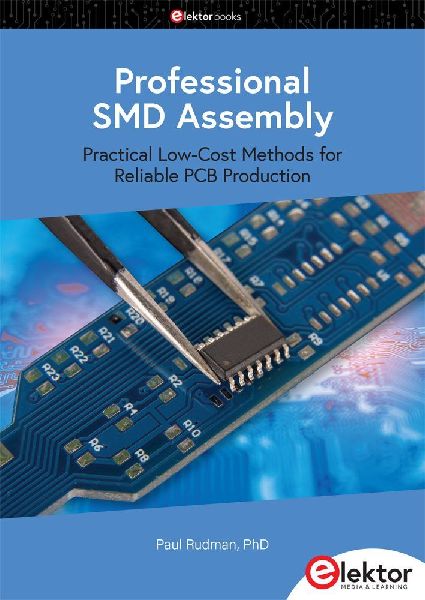
Professional SMD Assembly: Practical Low-Cost Methods for Reliable PCB Production
-20% with code BOOKS
In stock at our supplier
TOP
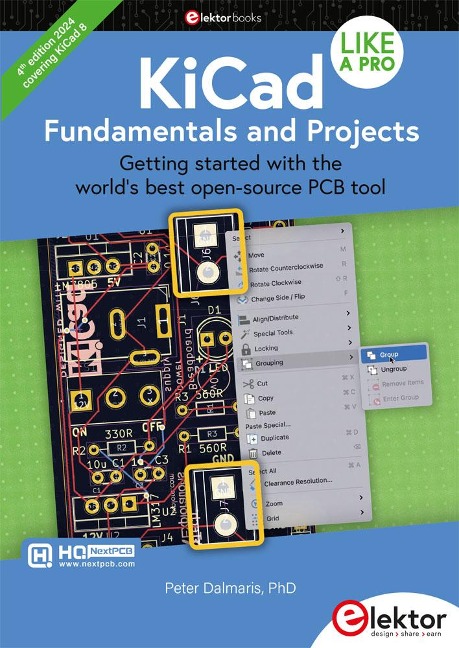
KiCad Like A Pro - Fundamentals and Projects: Getting started with the world's best open-source PCB tool
-20% with code BOOKS
In stock at our supplier
TOP
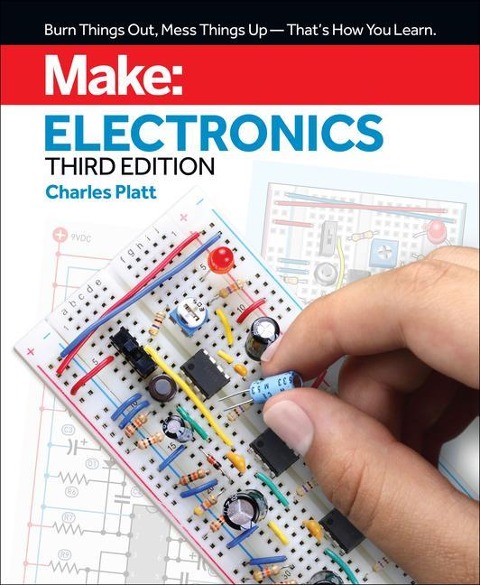
Make: Electronics: Learning by Discovery: A hands-on primer for the new electronics enthusiast
-20% with code BOOKS
In stock at our supplier
TOP
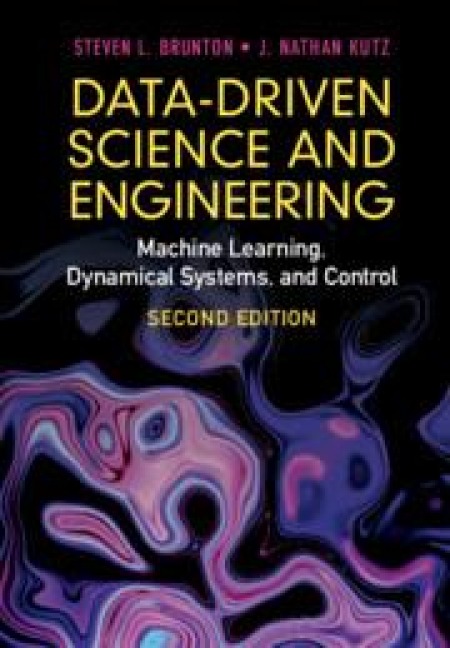
Data-Driven Science and Engineering: Machine Learning, Dynamical Systems, and Control
Steven L. Brunton, J. Nathan Kutz
-20% with code BOOKS
In stock at our supplier
TOP

Flowers For Algernon: A Modern Literary Classic
-20% with code BOOKS
In stock at our supplier
TOP

Foundations of Flavor: The Noma Guide to Fermentation: Including Step-By-Step Information on Making and Cooking with: Koji, Kombuchas, Shoyus, Misos, Vinegars, Garums, Lacto-Ferments and black Fruits Vegetables
-20% with code BOOKS
In stock at our supplier
TOP
Raspberry Pi 5 for Radio Amateurs: Program and Build Raspberry Pi 5 Based Ham Station Utilities with the RTL-SDR
-20% with code BOOKS
In stock at our supplier
TOP

Digital Design and Computer Architecture, RISC-V Edition
-20% with code BOOKS
In stock at our supplier
TOP

AI 2041: Ten Visions for Our Future
-20% with code BOOKS
In stock at our supplier
TOP

Mastering the Arduino Uno R4: Programming and Projects for the Minima and WiFi
-20% with code BOOKS
In stock at our supplier
Description
Having hit power limitations to even more aggressive out-of-order execution in processor cores, many architects in the past decade have turned to single-instruction-multiple-data (SIMD) execution to increase single-threaded performance. SIMD execution, or having a single instruction drive execution of an identical operation on multiple data items, was already well established as a technique to efficiently exploit data parallelism. Furthermore, support for it was already included in many commodity processors. However, in the past decade, SIMD execution has seen a dramatic increase in the set of applications using it, which has motivated big improvements in hardware support in mainstream microprocessors. The easiest way to provide a big performance boost to SIMD hardware is to make it wider¿i.e., increase the number of data items hardware operates on simultaneously. Indeed, microprocessor vendors have done this. However, as we exploit more data parallelism in applications, certain challenges can negatively impact performance. In particular, conditional execution, non-contiguous memory accesses, and the presence of some dependences across data items are key roadblocks to achieving peak performance with SIMD execution. This book first describes data parallelism, and why it is so common in popular applications. We then describe SIMD execution, and explain where its performance and energy benefits come from compared to other techniques to exploit parallelism. Finally, we describe SIMD hardware support in current commodity microprocessors. This includes both expected design tradeoffs, as well as unexpected ones, as we work to overcome challenges encountered when trying to map real software to SIMD execution.
More Information
| Author | Christopher J. Hughes |
|---|---|
| Publisher | Springer International Publishing |
| Series | Synthesis Lectures on Computer Architecture |
| Release year | 2015 |
| Cover type | Softcover |
| EAN | 9783031006180 |