
Sulfur -
-20% with code BOOKS
Shipping in 12-18 days
30-day return policy
Source: Wikipedia. Pages: 36. Chapters: Allotropes of sulfur, Carusu, Disulfide bond, Disulfur, Flash smelting, Flowers of sulfur, Frasch process, Hexasulfur, Isotopes of sulfur, Kesternich, Lead chamber process, Octasulfur, Rosickyite, Sulfur assimilation, Sulfur cycle, Sulfur dye, Sulfur lamp, Sulfur metabolism, Sulphur Emissions Reduction Protocol, The Lady of the Wheel, The Sulphur Institute, Trisulfur. ... Full description
You May Also Like
 TOP
TOP

Determined: The Science of Life Without Free Will
-20% with code BOOKS
In stock at our supplier
TOP

The Light Eaters: How the Unseen World of Plant Intelligence Offers a New Understanding of Life on Earth
-20% with code BOOKS
In stock at our supplier
 TOP
TOP
Why We Sleep: Unlocking the Power of Sleep and Dreams
-20% with code BOOKS
In stock
TOP
The Rise and Fall of the Dinosaurs: A New History of a Lost World
-20% with code BOOKS
In stock at our supplier
TOP
Biology: A Global Approach, Global Edition
Neil Campbell, Rebecca Orr, Lisa Urry, Peter Minorsky, Michael Cain, Jane Reece, Steven Wasserman
-20% with code BOOKS
In stock at our supplier
TOP

Six Not-so-easy Pieces: Einstein's Relativity, Symmetry, and Space-Time
Richard P. Feynman, Robert B. Leighton, Matthew Sands
-20% with code BOOKS
In stock at our supplier
TOP

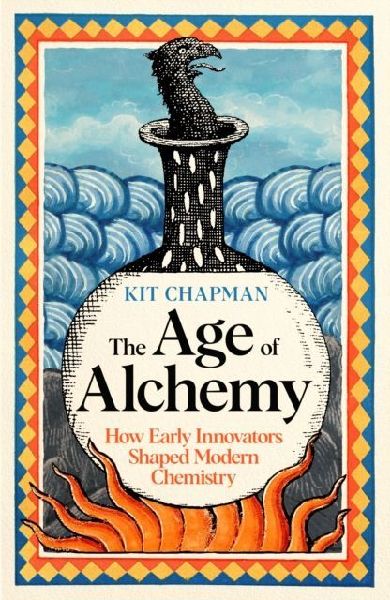
The Age of Alchemy: How Early Innovators Shaped Modern Chemistry
-20% with code BOOKS
In stock at our supplier
TOP
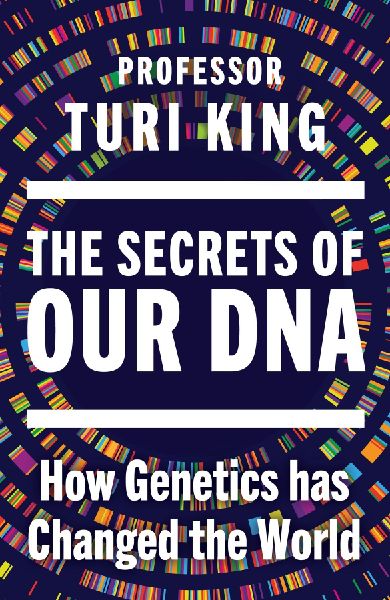
The Secrets of our DNA: How Genetics has Changed the World
-20% with code BOOKS
In stock at our supplier
TOP

Janeway's Immunobiology
Leslie J. Berg, Kenneth Murphy, Casey Weaver
-20% with code BOOKS
In stock at our supplier
TOP

How to Solve it: A New Aspect of Mathematical Method
-20% with code BOOKS
In stock at our supplier
TOP
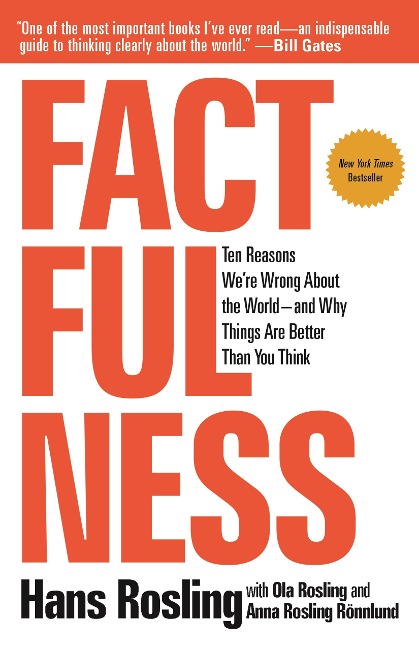
Factfulness: Ten Reasons We're Wrong About the World--and Why Things Are Better Than You Think
Ola Rosling, Anna Rosling Rönnlund, Hans Rosling
-20% with code BOOKS
In stock at our supplier
TOP
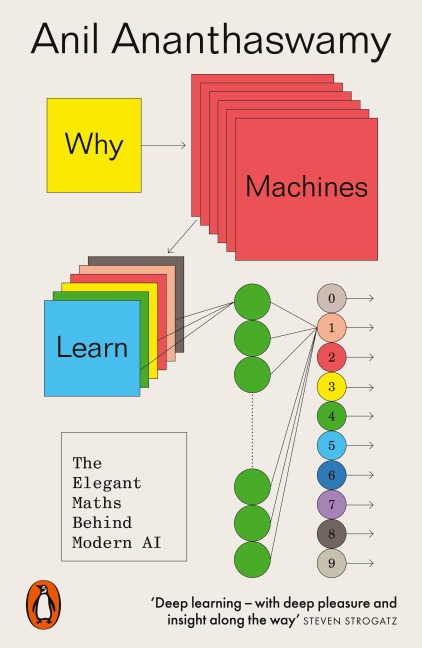
Why Machines Learn: The Elegant Maths Behind Modern AI
-20% with code BOOKS
In stock at our supplier
TOP

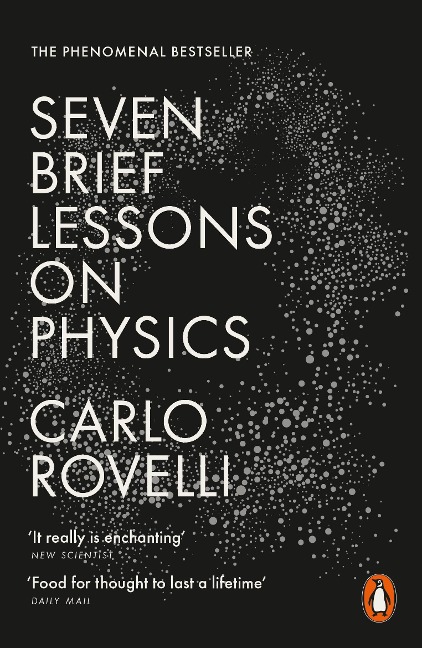
The Feynman Lectures on Physics. The New Millennium Edition
Matthew Sands, Robert Leighton, Richard Feynman
-20% with code BOOKS
In stock at our supplier
 TOP
TOP

Entangled Life: How Fungi Make Our Worlds, Change Our Minds and Shape Our Futures
-20% with code BOOKS
In stock at our supplier
TOP

Life As No One Knows It: The Physics of Life's Emergence
-20% with code BOOKS
In stock at our supplier
TOP

The Rise and Reign of the Mammals: A New History, from the Shadow of the Dinosaurs to Us
-20% with code BOOKS
In stock at our supplier
TOP
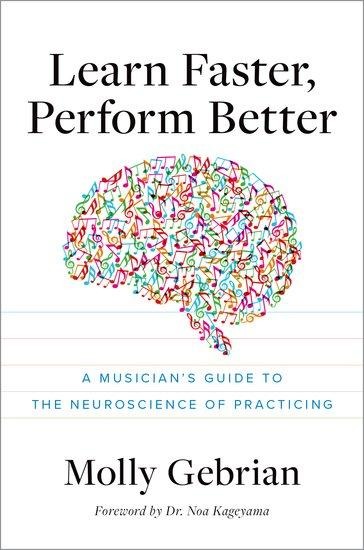
Learn Faster, Perform Better: A Musician's Guide to the Neuroscience of Practicing
-20% with code BOOKS
In stock at our supplier
TOP
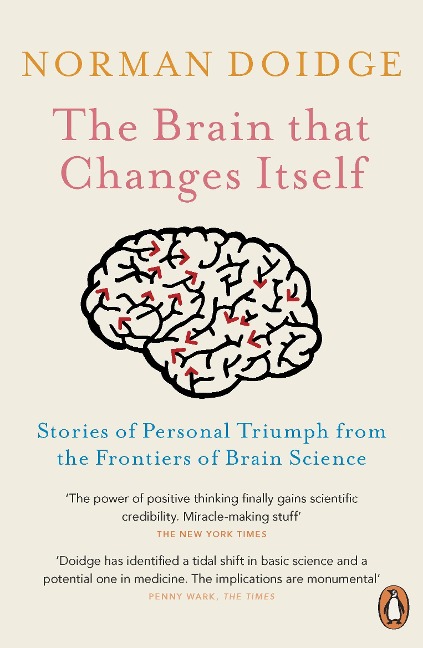
The Brain That Changes Itself: Stories of Personal Triumph from the Frontiers of Brain Science
-20% with code BOOKS
In stock at our supplier
Description
Source: Wikipedia. Pages: 36. Chapters: Allotropes of sulfur, Carusu, Disulfide bond, Disulfur, Flash smelting, Flowers of sulfur, Frasch process, Hexasulfur, Isotopes of sulfur, Kesternich, Lead chamber process, Octasulfur, Rosickyite, Sulfur assimilation, Sulfur cycle, Sulfur dye, Sulfur lamp, Sulfur metabolism, Sulphur Emissions Reduction Protocol, The Lady of the Wheel, The Sulphur Institute, Trisulfur. Excerpt: Sulfur or sulphur (British English; see spelling below) is a chemical element with symbol S and atomic number 16. It is an abundant, multivalent non-metal. Under normal conditions, sulfur atoms form cyclic octatomic molecules with chemical formula S8. Elemental sulfur is a bright yellow crystalline solid when at room temperature. Chemically, sulfur can react as either an oxidant or reducing agent. It oxidizes most metals and several nonmetals, including carbon, which leads to its negative charge in most organosulfur compounds, but it reduces several strong oxidants, such as oxygen and fluorine. Sulfur occurs naturally as the pure element (native sulfur) and as sulfide and sulfate minerals. Elemental sulfur crystals are commonly sought after by mineral collectors for their distinct, brightly colored polyhedron shapes. Being abundant in native form, sulfur was known in ancient times, mentioned for its uses in ancient India, ancient Greece, China and Egypt. Fumes from burning sulfur were used as fumigants, and sulfur-containing medicinal mixtures were used as balms and antiparasitics. Sulfur is referenced in the Bible as brimstone (burn stone) in English, with this name still used in several nonscientific tomes. It was needed to make the best quality of black gunpowder. In 1777, Antoine Lavoisier helped convince the scientific community that sulfur was a basic element, rather than a compound. Elemental sulfur was once extracted from salt domes where it sometimes occurs in nearly pure form, but this method has been obsolete since the late 20th century. Today, almost all elemental sulfur is produced as a byproduct of removing sulfur-containing contaminants from natural gas and petroleum. The element's commercial uses are primarily in fertilizers, because of the relatively high requirement of plants for it, and in the manufacture of sulfuric acid, a primary industrial chemical. Other well-known uses for the element are in matches, insecticides and fungicides. Many sulfur
More Information
| Publisher | Books LLC, Reference Series |
|---|---|
| Release year | 2021 |
| Cover type | Softcover |
| EAN | 9781156631690 |