
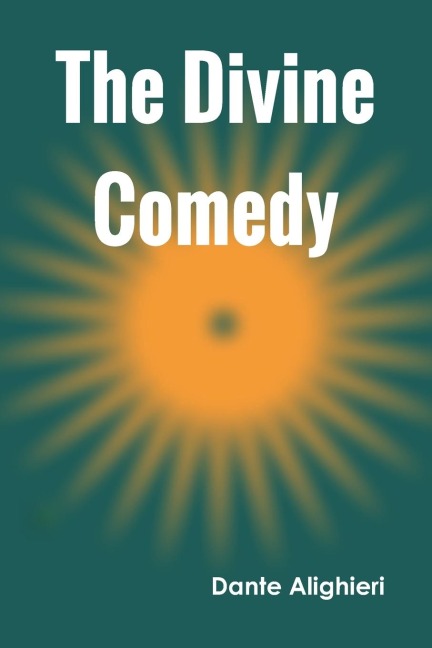
The Divine Comedy - Dante Alighieri
-30% with code BOOKS
Shipping in 15-21 days
30-day return policy
The Divine Comedy is a long narrative poem written by the Italian poet Dante Alighieri in the early 14th century. It is widely considered to be one of the greatest works of world literature. The poem tells the story of Dante's journey through the afterlife, guided by the poet Virgil. It is divided into three parts: Inferno (Hell), Purgatorio (Purgatory), and Paradiso (Heaven). Each part consists of 33 canto ... Full description
You May Also Like
 TOP
TOP

Unreasonable Hospitality: The Remarkable Power of Giving People More Than They Expect
-30% with code BOOKS
In stock at our supplier
 TOP
TOP
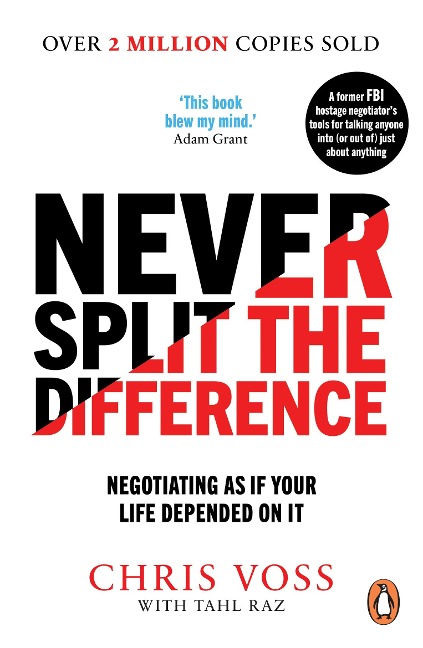
Never Split the Difference: Negotiating as if Your Life Depended on It
-30% with code BOOKS
In stock
TOP
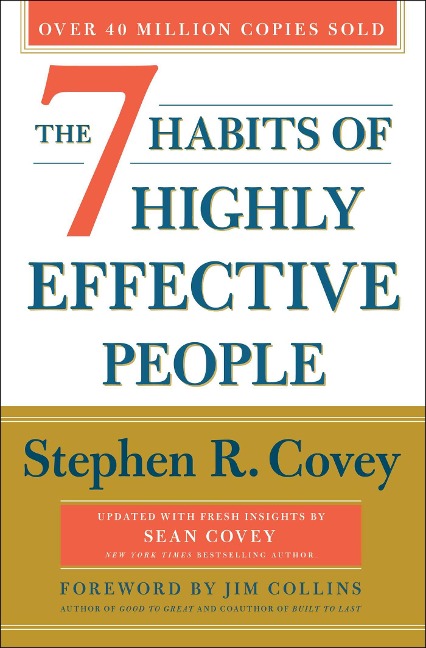
The 7 Habits of Highly Effective People. 30th Anniversary Edition: Powerful Lessons in Personal Change
Jim Collins, Sean Covey, Stephen R. Covey
-30% with code BOOKS
In stock
TOP
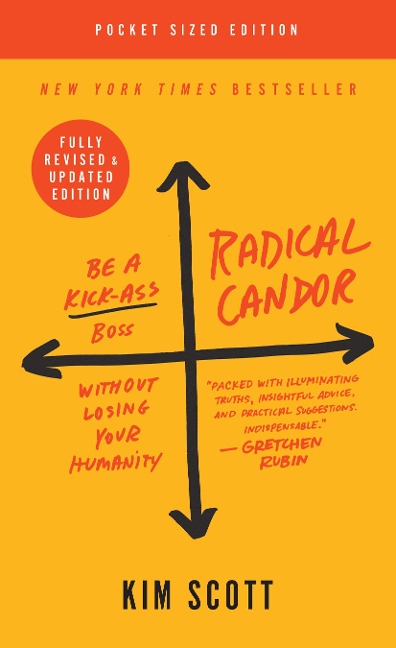
Radical Candor: Be a Kick-Ass Boss Without Losing Your Humanity
-30% with code BOOKS
In stock at our supplier
TOP
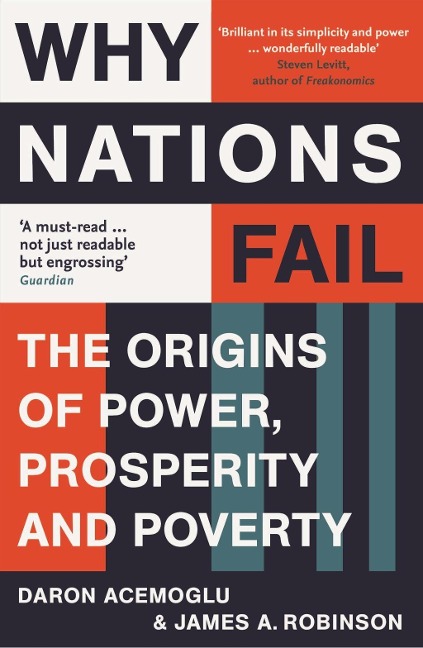
Why Nations Fail: The Origins of Power, Prosperity and Poverty
Daron Acemoglu, James A. Robinson
-30% with code BOOKS
In stock at our supplier
TOP

Legacy: What The All Blacks Can Teach Us About The Business Of Life
-30% with code BOOKS
In stock at our supplier
TOP

Atomic Habits: An Easy & Proven Way to Build Good Habits & Break Bad Ones
-30% with code BOOKS
In stock at our supplier
TOP
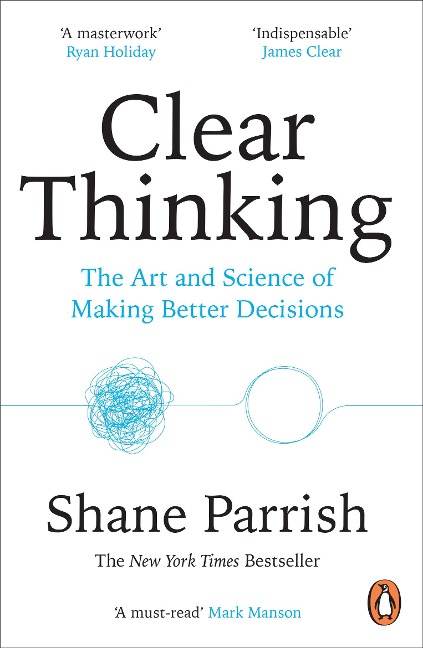
Clear Thinking: The Art and Science of Making Better Decisions
-30% with code BOOKS
In stock at our supplier
TOP

Vienna: How the City of Ideas Created the Modern World
-30% with code BOOKS
In stock at our supplier
 TOP
TOP


Empire of AI: Inside the reckless race for total domination
-30% with code BOOKS
In stock at our supplier
TOP

The Infinity Machine: Demis Hassabis, DeepMind and the Quest for Superintelligence
-30% with code BOOKS
In stock at our supplier
TOP

The Infinity Machine: Demis Hassabis, DeepMind, and the Quest for Superintelligence
-30% with code BOOKS
In stock at our supplier
TOP

Zero to One: Notes on Start Ups, or How to Build the Future
-30% with code BOOKS
In stock
TOP
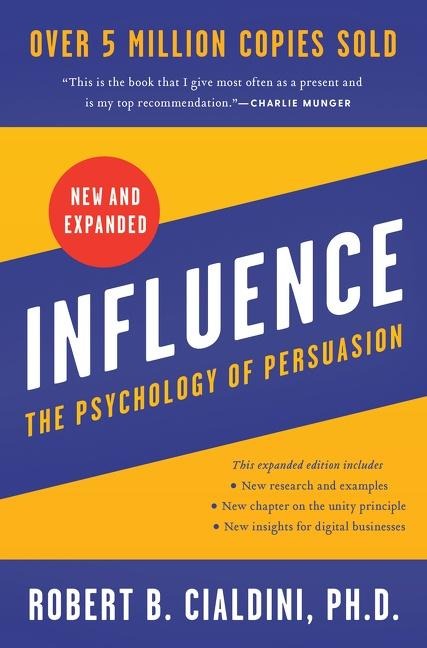
Influence: The Psychology of Persuasion
-30% with code BOOKS
In stock at our supplier
TOP

Co-Intelligence: Living and Working with AI
-30% with code BOOKS
In stock at our supplier
TOP
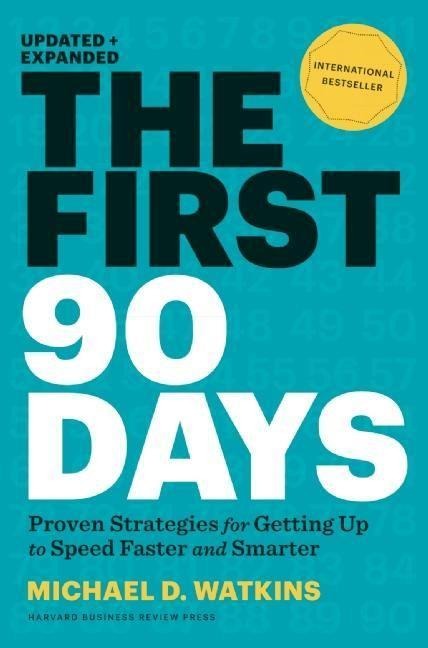
The First 90 Days: Proven Straegies for Getting up to Speed faster and smarter
-30% with code BOOKS
In stock at our supplier
TOP
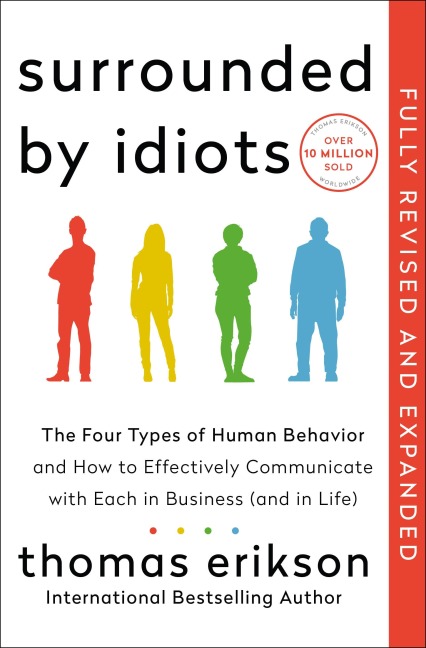
Surrounded by Idiots Revised & Expanded Edition: The Four Types of Human Behavior and How to Effectively Communicate with Each in Business (and in Life)
-30% with code BOOKS
In stock at our supplier
Description
More Information
| Author | Dante Alighieri |
|---|---|
| Publisher | Zinc Read |
| Release year | 2022 |
| Cover type | Softcover |
| EAN | 9789354785498 |