
The Stranger - Shaun Best

-30% with code BOOKS
Shipping in 15-21 days
30-day return policy
This book explores the concept of the stranger as a ‘modern’ social form, identifying the differing conceptions of strangerhood presented in the literature since the publication of Georg Simmel’s influential essay ‘The Stranger’, questioning the assumptions around what it means to be regarded as ‘strange’, and identifying the consequences of being labelled a stranger.Organised both chronologically and thema ... Full description
You May Also Like
 TOP
TOP

The Culture Map: Breaking Through the Invisible Boundaries of Global Business
-30% with code BOOKS
In stock
TOP

Atomic Habits: An Easy & Proven Way to Build Good Habits & Break Bad Ones
-30% with code BOOKS
In stock
TOP

Women Who Run with the Wolves: Myths and Stories of the Wild Woman Archetype
Clarissa Pinkola Estés, Clarissa Pinkola Estes
-30% with code BOOKS
In stock at our supplier
TOP
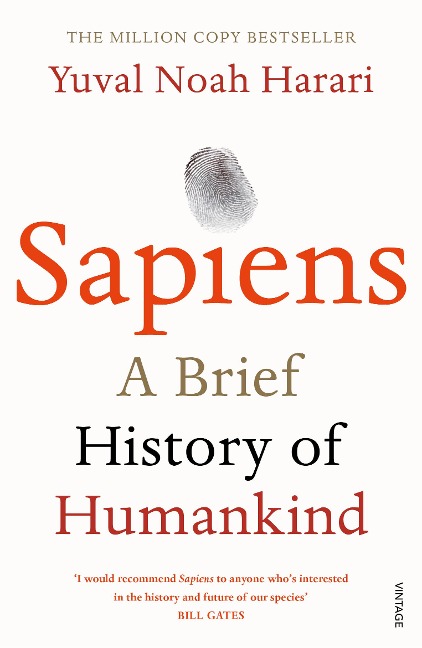
Sapiens: A Brief History of Humankind
-30% with code BOOKS
In stock at our supplier
TOP

How Democracies Die
Steven Levitsky, Daniel Ziblatt
-30% with code BOOKS
In stock at our supplier
 TOP
TOP

Prisoners of Geography: Updated 10th Anniversary Edition: Ten Maps That Tell You Everything You Need To Know About Global Politics
-30% with code BOOKS
In stock at our supplier
TOP


Classic Football Shirts
Classic Football Shirts, Rory Smith
-30% with code BOOKS
In stock at our supplier
 TOP
TOP

The Whole-Brain Child: 12 Revolutionary Strategies to Nurture Your Child's Developing Mind
Daniel J. Siegel, Tina Payne Bryson
-30% with code BOOKS
In stock at our supplier

 TOP
TOP

Braiding Sweetgrass: Indigenous Wisdom, Scientific Knowledge and the Teachings of Plants
-30% with code BOOKS
In stock at our supplier
TOP

The Unabridged Journals of Sylvia Plath
-30% with code BOOKS
In stock at our supplier
TOP

To Kill a Mockingbird. 60th Anniversary Edition
-30% with code BOOKS
In stock at our supplier
 TOP
TOP
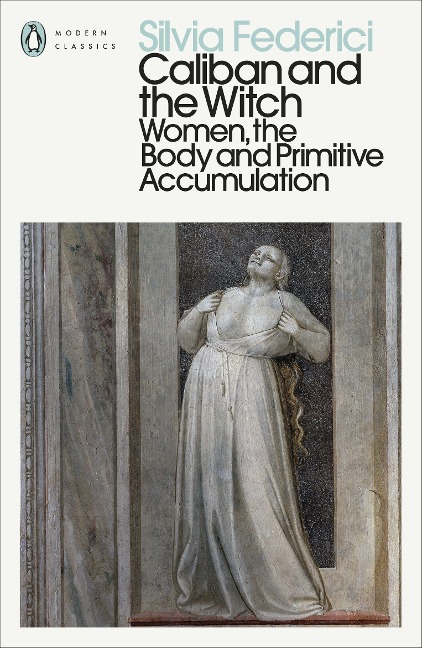
Caliban and the Witch: Women, the Body and Primitive Accumulation
-30% with code BOOKS
In stock at our supplier
TOP

Breaking Through: My Life in Science
-30% with code BOOKS
In stock at our supplier
TOP

The Will to Change: Men, Masculinity, and Love
-30% with code BOOKS
In stock at our supplier

Description
More Information
| Author | Shaun Best |
|---|---|
| Publisher | Routledge |
| Release year | 2019 |
| Cover type | Softcover |
| EAN | 9781138312203 |