
Thyroid Eye Disease -

-20% with code BOOKS
Shipping in 17-23 days
30-day return policy
Patients aftlicted with thyroid eye disease or Graves' ophthamopathy (GO) may experience not only pain and visual loss, but also disfigurement. Full understanding of pathogenesis has been elusive, and treatment modalities are imperfect. As with other conditions, more effective intervention will follow only after a better understanding of pathogenesis is reached. The goal of this volume is to give an overvie ... Full description
You May Also Like
 TOP
TOP

The Myth of Normal: Trauma, Illness, and Healing in a Toxic Culture
-20% with code BOOKS
In stock at our supplier
TOP

The Checklist Manifesto: How to Get Things Right
-20% with code BOOKS
In stock at our supplier
TOP
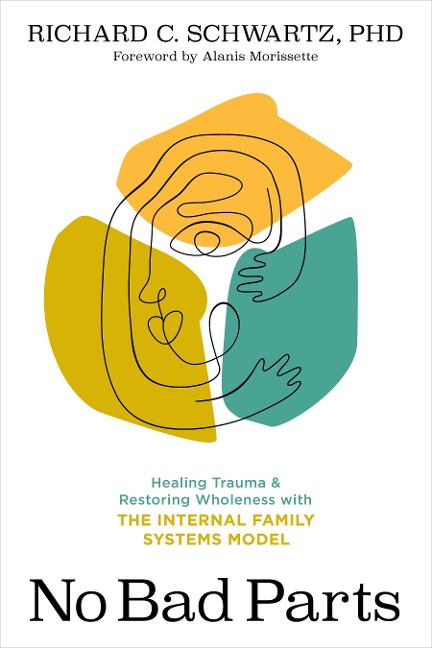
No Bad Parts: Healing Trauma and Restoring Wholeness with the Internal Family Systems Model
-20% with code BOOKS
In stock at our supplier
TOP

On Connection: 'Powerful' MATT HAIG
-20% with code BOOKS
In stock at our supplier
TOP
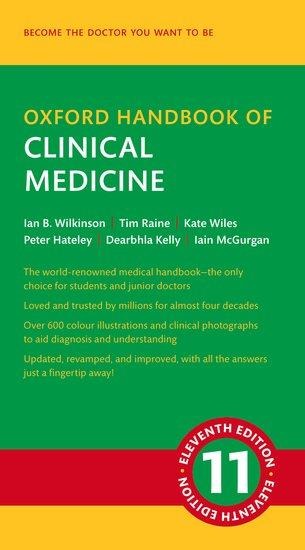
Oxford Handbook of Clinical Medicine
Peter Hateley, Iain McGurgan, Ian B. Wilkinson, Tim Raine, Dearbhla Kelly, Kate Wiles
-20% with code BOOKS
In stock at our supplier
TOP
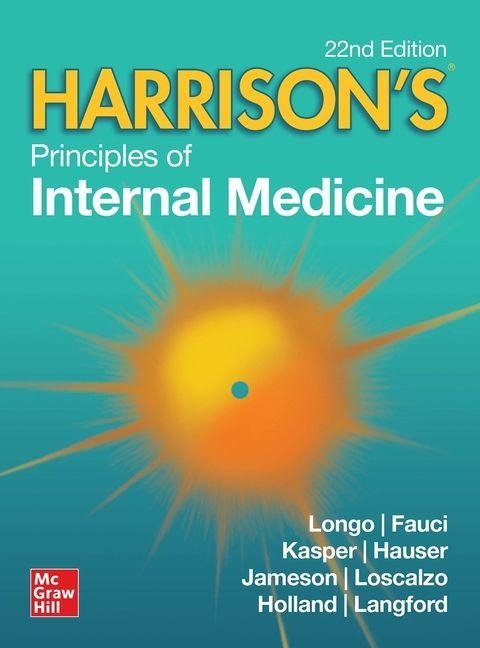
Harrison's Principles of Internal Medicine (Vol.1 & Vol.2)
Stephen Hauser, Joseph Loscalzo, Steven Holland, Dan Longo, J. Larry Jameson, Dennis Kasper, Carol Langford, Anthony Fauci
-20% with code BOOKS
In stock at our supplier
TOP
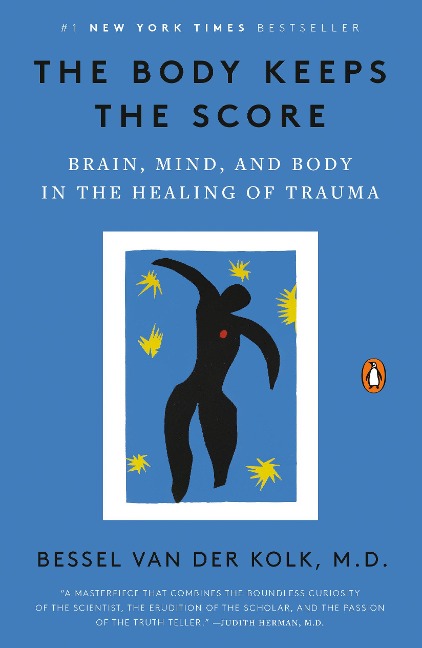
The Body Keeps the Score: Brain, Mind, and Body in the Healing of Trauma
-20% with code BOOKS
In stock at our supplier
 TOP
TOP

Maybe You Should Talk to Someone: a therapist, her thearapist, and our lives revealed
-20% with code BOOKS
In stock at our supplier
 TOP
TOP

How Not To Die: Discover the foods scientifically proven to prevent and reverse disease
-20% with code BOOKS
In stock at our supplier
TOP
Lifespan: Why We Age - and Why We Don't Have To
-20% with code BOOKS
In stock at our supplier
TOP
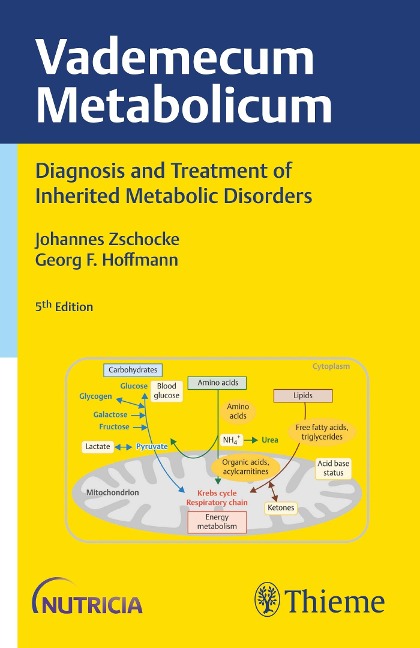
Vademecum Metabolicum: Diagnosis and Treatment of Inborn Errors of Metabolism Forword by William L. Nyhan, San Diego, USA
Johannes Zschocke, Georg F. Hoffmann
-20% with code BOOKS
In stock at our supplier
TOP

Cellular and Molecular Immunology
Sarah Henrickson, Abul K. Abbas, Andrew H. Lichtman, Shiv Pillai
-20% with code BOOKS
In stock at our supplier
TOP

Physics, Pharmacology and Physiology for Anaesthetists: Key Concepts for the FRCA
Matthew E. Cross, Emma V. E. Plunkett
-20% with code BOOKS
In stock at our supplier
TOP
Pocket Guide to Teaching for Clinical Instructors
-20% with code BOOKS
In stock at our supplier
TOP
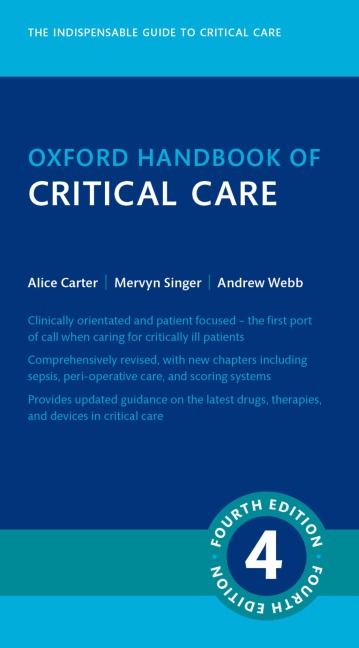
Oxford Handbook of Critical Care
Andrew Webb, Mervyn Singer, Alice Carter
-20% with code BOOKS
In stock at our supplier
TOP
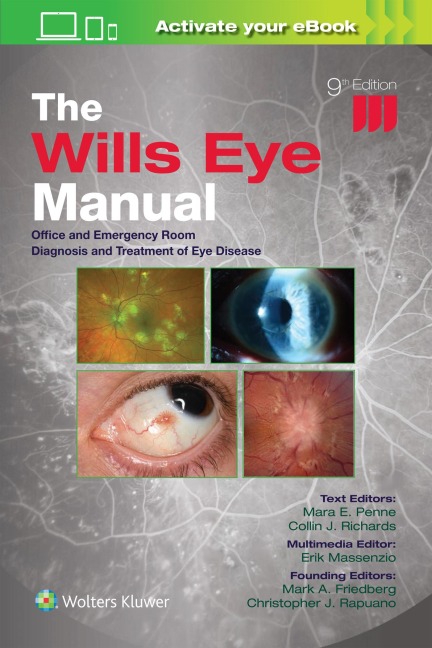
The Wills Eye Manual: Print + eBook with Multimedia: Office and Emergency Room Diagnosis and Treatment of Eye Disease
-20% with code BOOKS
In stock at our supplier
TOP


Who Deserves Your Love: How to Create Boundaries to Start, Strengthen or End Any Relationship
-20% with code BOOKS
In stock at our supplier
TOP

Vaccinated - dead: Histopathological findings following COVID-19 vaccination
-20% with code BOOKS
In stock at our supplier
Description
Patients aftlicted with thyroid eye disease or Graves' ophthamopathy (GO) may experience not only pain and visual loss, but also disfigurement. Full understanding of pathogenesis has been elusive, and treatment modalities are imperfect. As with other conditions, more effective intervention will follow only after a better understanding of pathogenesis is reached. The goal of this volume is to give an overview by leaders in the field of the present state of the art both in pathogenesis and clinical aspects of GO. Much attention has been directed towards determining which cells within the orbit are targets of the autoimmune process, and how these and other cells might participate in the local inflammatory process. It is now generally agreed that orbital fibroblasts, preadipocyte fibroblasts, and adipocytes are the targeted and activated cells in GO and that full-length TSH receptor (TSHr) is expressed in these cells. Further, there is growing consensus that this receptor is up-regulated in the orbit in GO, residing primarily in newly differentiated adipocytes. However, it is also evident, given a sufficiently sensitive assay, that TSHr is detectable in fibroblasts and adipocytes from the normal orbit and other anatomic sites, as well. It will be important to determine whether the observed increase in orbital TSHr expression itself initiates the orbital autoimmune process. Also to be decided is whether orbital lymphocytes from GO patients specifically recognize this receptor, and what factor or factors unique to Graves' dIsease might stimulate TSHr expression in orbital cells.
More Information
| Publisher | Springer US |
|---|---|
| Series | Endocrine Updates |
| Release year | 2001 |
| Cover type | Hardcover |
| EAN | 9780792373803 |