
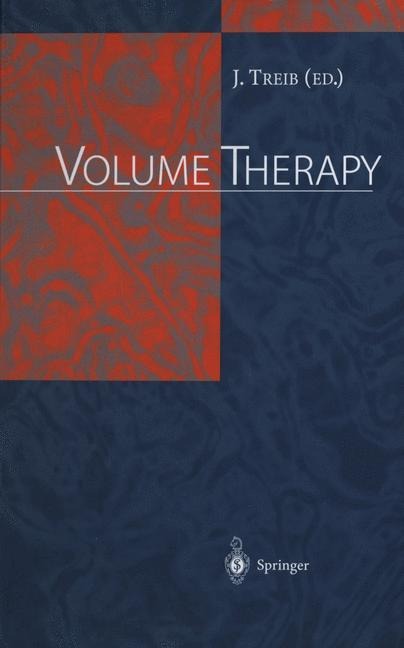
Volume Therapy -
-20% with code BOOKS
Shipping in 12-18 days
30-day return policy
Volume therapy or infusion therapy is used worldwide for the treatment of hypovolemia caused by surgical blood and plasma losses, trauma, burns, or infections. Interestingly, significant differences exist between countries regarding the use of plasma substitutes. In the United States, crystalloids and albumin are more popular, whereas in Europe artificial colloids such as hydroxyethyl starch are preferred. ... Full description
You May Also Like
 TOP
TOP

The Myth of Normal: Trauma, Illness, and Healing in a Toxic Culture
-20% with code BOOKS
In stock at our supplier
TOP

The Checklist Manifesto: How to Get Things Right
-20% with code BOOKS
In stock at our supplier
TOP
No Bad Parts: Healing Trauma and Restoring Wholeness with the Internal Family Systems Model
-20% with code BOOKS
In stock at our supplier
TOP

On Connection: 'Powerful' MATT HAIG
-20% with code BOOKS
In stock at our supplier
TOP
Oxford Handbook of Clinical Medicine
Peter Hateley, Iain McGurgan, Ian B. Wilkinson, Tim Raine, Dearbhla Kelly, Kate Wiles
-20% with code BOOKS
In stock at our supplier
TOP
Harrison's Principles of Internal Medicine (Vol.1 & Vol.2)
Stephen Hauser, Joseph Loscalzo, Steven Holland, Dan Longo, J. Larry Jameson, Dennis Kasper, Carol Langford, Anthony Fauci
-20% with code BOOKS
In stock at our supplier
TOP

The Body Keeps the Score: Brain, Mind, and Body in the Healing of Trauma
-20% with code BOOKS
In stock at our supplier
 TOP
TOP

Maybe You Should Talk to Someone: a therapist, her thearapist, and our lives revealed
-20% with code BOOKS
In stock at our supplier
 TOP
TOP

How Not To Die: Discover the foods scientifically proven to prevent and reverse disease
-20% with code BOOKS
In stock at our supplier
TOP

Lifespan: Why We Age - and Why We Don't Have To
-20% with code BOOKS
In stock at our supplier
TOP
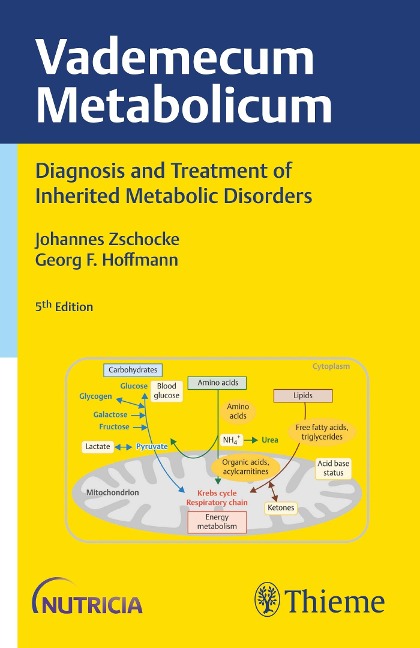
Vademecum Metabolicum: Diagnosis and Treatment of Inborn Errors of Metabolism Forword by William L. Nyhan, San Diego, USA
Johannes Zschocke, Georg F. Hoffmann
-20% with code BOOKS
In stock at our supplier
TOP

Cellular and Molecular Immunology
Sarah Henrickson, Abul K. Abbas, Andrew H. Lichtman, Shiv Pillai
-20% with code BOOKS
In stock at our supplier
TOP
Physics, Pharmacology and Physiology for Anaesthetists: Key Concepts for the FRCA
Matthew E. Cross, Emma V. E. Plunkett
-20% with code BOOKS
In stock at our supplier
TOP
Pocket Guide to Teaching for Clinical Instructors
-20% with code BOOKS
In stock at our supplier
TOP
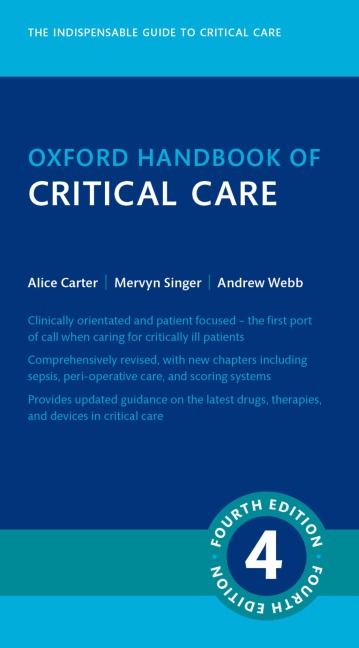
Oxford Handbook of Critical Care
Andrew Webb, Mervyn Singer, Alice Carter
-20% with code BOOKS
In stock at our supplier
TOP

The Wills Eye Manual: Print + eBook with Multimedia: Office and Emergency Room Diagnosis and Treatment of Eye Disease
-20% with code BOOKS
In stock at our supplier
TOP


Who Deserves Your Love: How to Create Boundaries to Start, Strengthen or End Any Relationship
-20% with code BOOKS
In stock at our supplier
TOP
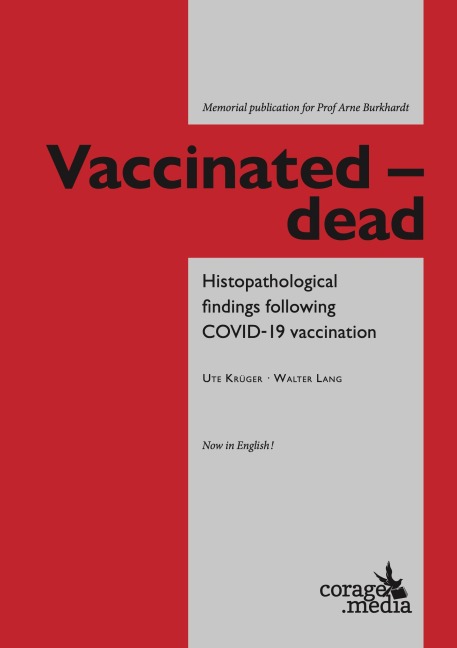
Vaccinated - dead: Histopathological findings following COVID-19 vaccination
-20% with code BOOKS
In stock at our supplier
Description
Volume therapy or infusion therapy is used worldwide for the treatment of hypovolemia caused by surgical blood and plasma losses, trauma, burns, or infections. Interestingly, significant differences exist between countries regarding the use of plasma substitutes. In the United States, crystalloids and albumin are more popular, whereas in Europe artificial colloids such as hydroxyethyl starch are preferred. From an international perspective, it is notable that volume therapy using hydroxyethyl starch is an established therapy for the treatment of cerebral, retinal, otogenic, and peripheral circulation disorders in Germany. In other countries, crys talloids are mostly used to treat dehydration or hypovolemia, for example in brain stroke. In recent years, new data made it possible to overcome national differences and agree on an evidence-based, international con sensus. The efficacy of different plasma substitutes for a volume therapy last ing several days has not been sufficiently studied in the past. Long-term volume therapy of patients with cerebral perfusion disorders is an excel lent model for studying the effects of artificial colloids in detail, because of the high doses of colloids that are administered. Through a compari son of commonly used plasma substitutes, we were able to show that sig nificant differences exist between different colloids, for example in their effect on coagulation. After repeated infusion, hydroxyethyl starches that are difficult to degrade lead to an accumulation of large molecules that are difficult to eliminate. These large molecules impair factor VIII/von Willebrand factor.
More Information
| Publisher | Springer Berlin Heidelberg |
|---|---|
| Release year | 2012 |
| Cover type | Softcover |
| EAN | 9783642640544 |