
Web 2.0: Collective Intelligence, Adaptive Website, Artificial Bee Colony Algorithm -


-20% with code BOOKS
Shipping in 15-21 days
30-day return policy
Please note that the content of this book primarily consists of articles available from Wikipedia or other free sources online. The term Web 2.0 is commonly associated with web applications that facilitate interactive information sharing, interoperability, user-centered design, and collaboration on the World Wide Web. A Web 2.0 site gives its users the free choice to interact or collaborate with each other ... Full description
You May Also Like

 TOP
TOP

If Anyone Builds It, Everyone Dies: Why Superhuman AI Would Kill Us All
Eliezer Yudkowsky, Nate Soares
-20% with code BOOKS
In stock at our supplier
TOP

Gödel, Escher, Bach: An Eternal Golden Braid
-20% with code BOOKS
In stock at our supplier
TOP
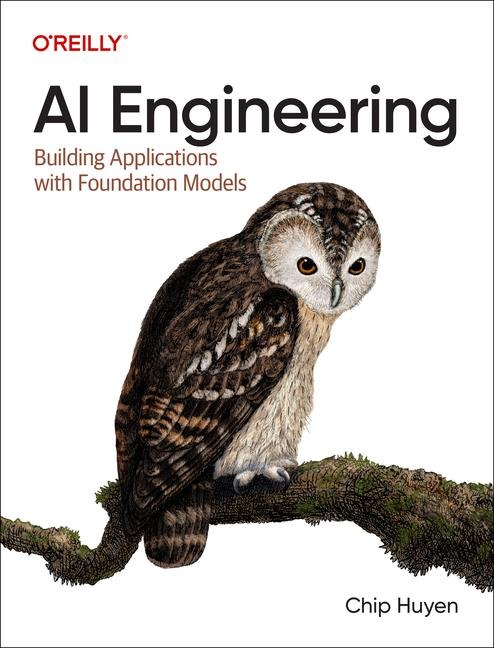
AI Engineering: Building Applications with Foundation Models
-20% with code BOOKS
In stock at our supplier
TOP

The Rust Programming Language
Steve Klabnik, Carol Nichols, Chris Krycho
-20% with code BOOKS
In stock at our supplier
TOP
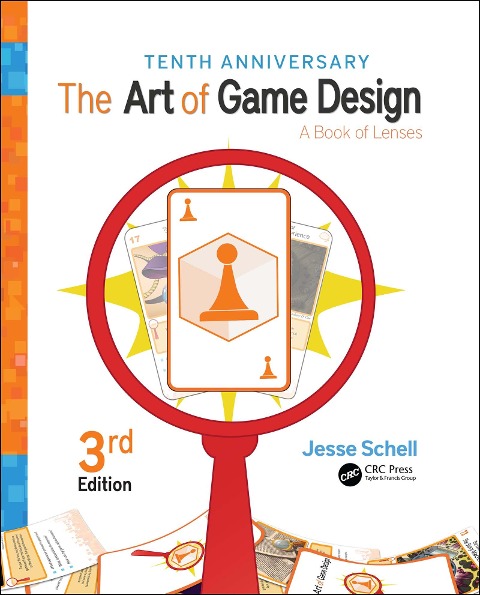
The Art of Game Design: A Book of Lenses
-20% with code BOOKS
In stock at our supplier
TOP
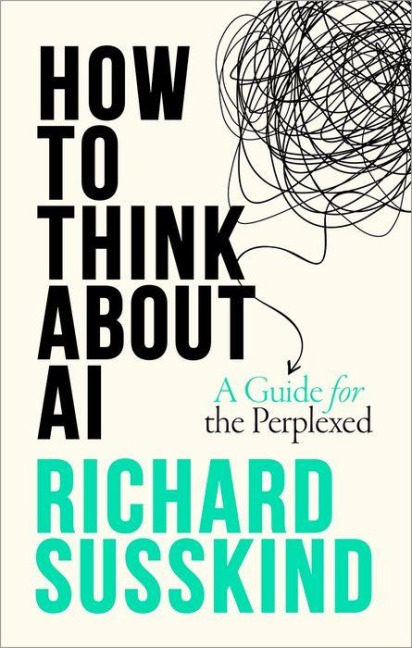
How To Think About AI: A Guide For The Perplexed
-20% with code BOOKS
In stock at our supplier
TOP
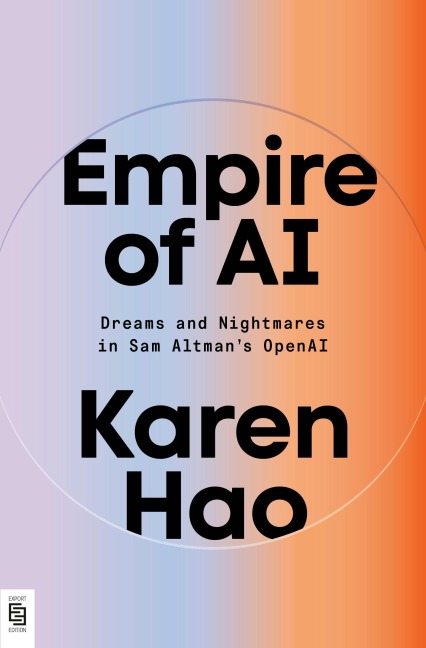
Empire of AI: Dreams and Nightmares in Sam Altman's OpenAI
-20% with code BOOKS
In stock at our supplier
TOP
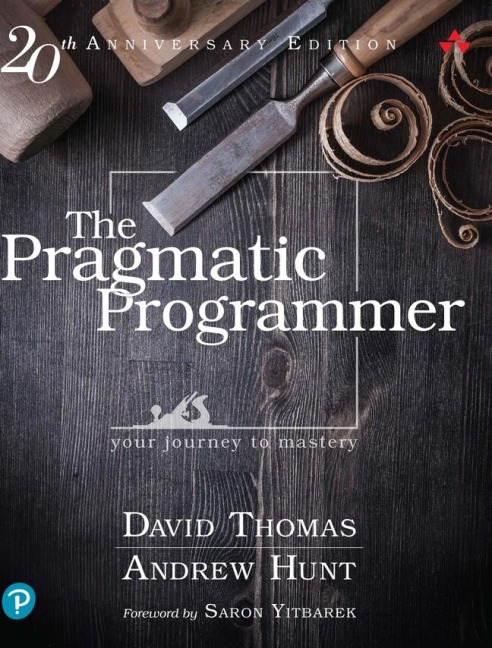
The Pragmatic Programmer: journey to mastery, 20th Anniversary Edition, 2/e: your journey to mastery, 20th Anniversary Edition
-20% with code BOOKS
In stock at our supplier
TOP
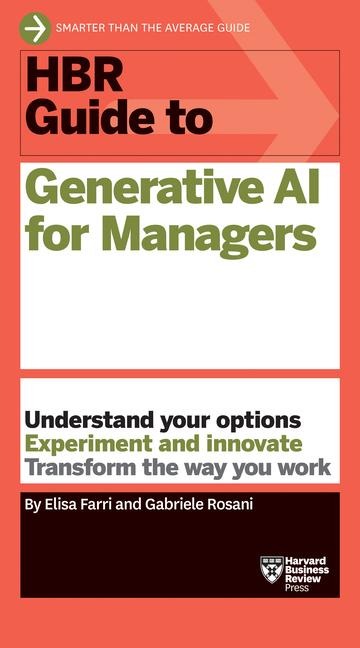
HBR Guide to Generative AI for Managers
-20% with code BOOKS
In stock at our supplier
TOP
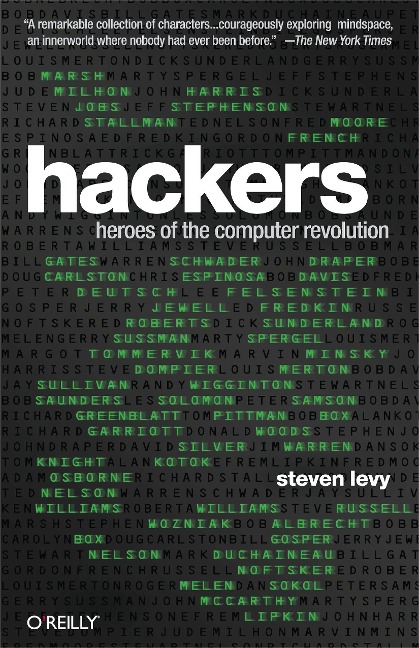
Hackers. 25th Anniversary Edition: Heroes of the Computer Revolution
-20% with code BOOKS
In stock at our supplier
TOP

The Web Application Hacker's Handbook: Discovering and Exploiting Security Flaws
-20% with code BOOKS
In stock at our supplier
TOP

How Linux Works: What Every Superuser Should Know
-20% with code BOOKS
In stock at our supplier
TOP
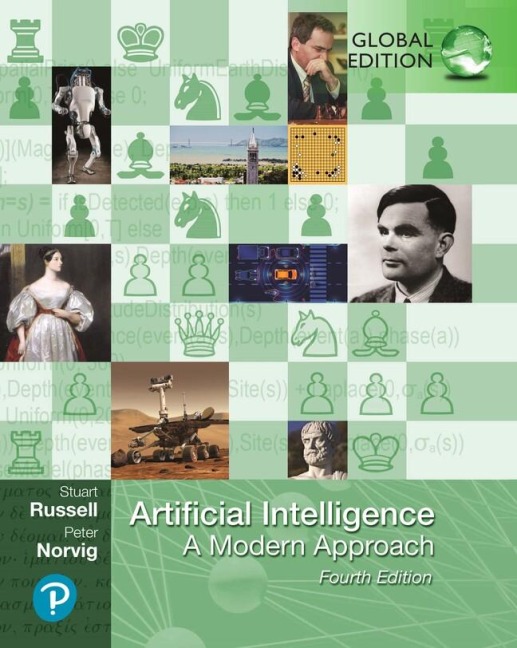
Artificial Intelligence: A Modern Approach, Global Edition
-20% with code BOOKS
In stock at our supplier
TOP
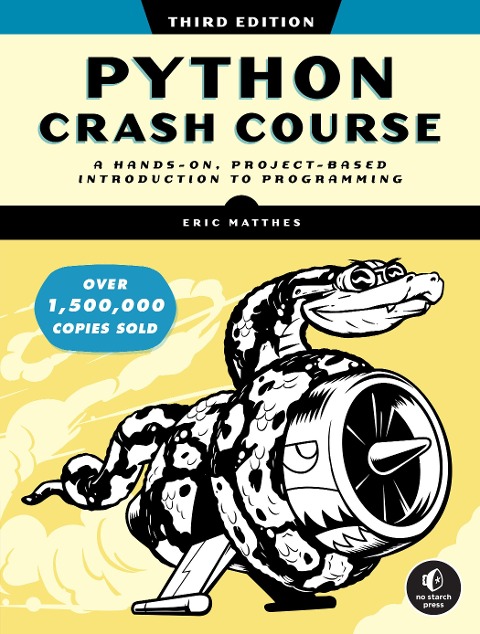
Python Crash Course: A Hands-On, Project-Based Introduction to Programming
-20% with code BOOKS
In stock at our supplier
TOP
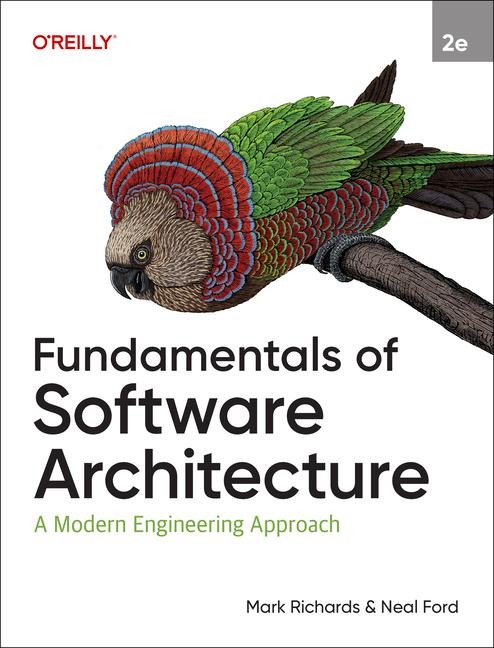
Fundamentals of Software Architecture: A Modern Engineering Approach
-20% with code BOOKS
In stock at our supplier
TOP
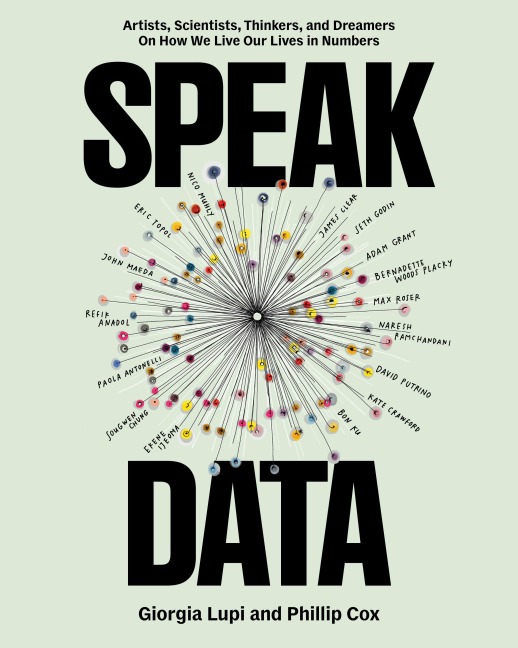
Speak Data: Artists, Scientists, Thinkers, and Dreamers on How We Live Our Lives in Numbers
-20% with code BOOKS
In stock at our supplier
TOP

Linux Basics for Hackers, 2nd Edition: Getting Started with Networking, Scripting, and Security in Kali
-20% with code BOOKS
In stock at our supplier
TOP
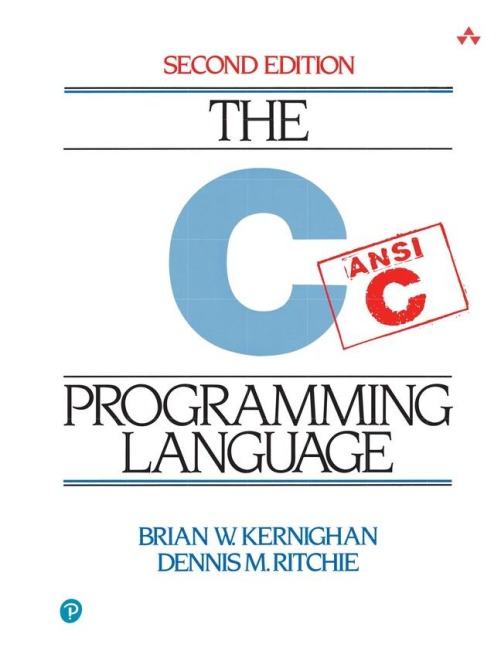
C Programming Language
Brian W. Kernighan, Brian Kernighan, Dennis Ritchie
-20% with code BOOKS
In stock at our supplier
TOP

Mathematics for Machine Learning
Cheng Soon Ong, A. Aldo Faisal, Marc Peter Deisenroth
-20% with code BOOKS
In stock at our supplier
Description
More Information
| Publisher | OmniScriptum |
|---|---|
| Release year | 2026 |
| Cover type | Softcover |
| EAN | 9786133438743 |