
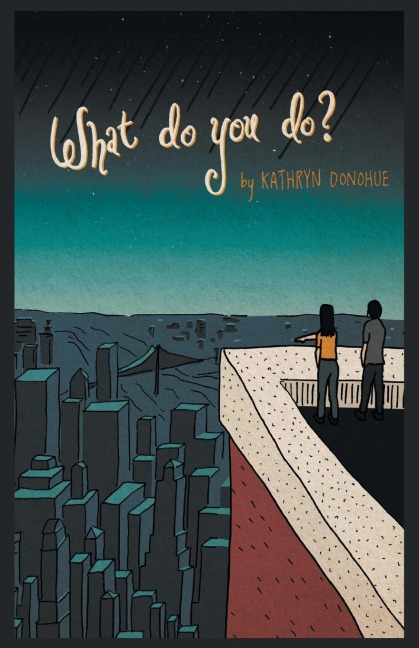
What Do You Do? - Kathryn Donohue
-20% with code BOOKS
Shipping in 15-21 days
30-day return policy
Review The poems in Kate Donohue’s debut are not about her life—instead, they question what having a life really means. They are not about where she is from—they question what it means to come from somewhere. They are not about inheritance, either—they question how to construct our lives and our generation from an inherited language and history: “We’ll use the words we’ve been given”—and if we follow her le ... Full description
You May Also Like
 TOP
TOP

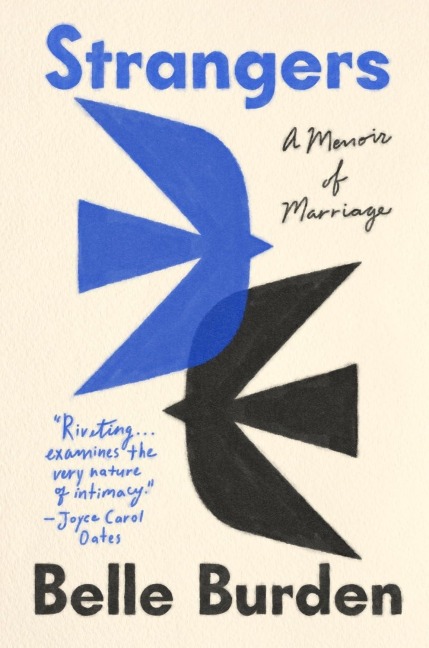
Strangers: A Memoir of Marriage
-20% with code BOOKS
In stock at our supplier

 TOP
TOP

"Surely You're Joking, Mr. Feynman!": Adventures of a Curious Character
-20% with code BOOKS
In stock at our supplier
TOP

Devotions: The Selected Poems of Mary Oliver
-20% with code BOOKS
In stock at our supplier

 TOP
TOP

The Let Them Theory: A Life-Changing Tool That Millions of People Cant Stop Talking About
-20% with code BOOKS
In stock at our supplier
 TOP
TOP

Kitchen Confidential: Adventures in the Culinary Underbelly
-20% with code BOOKS
In stock at our supplier
TOP
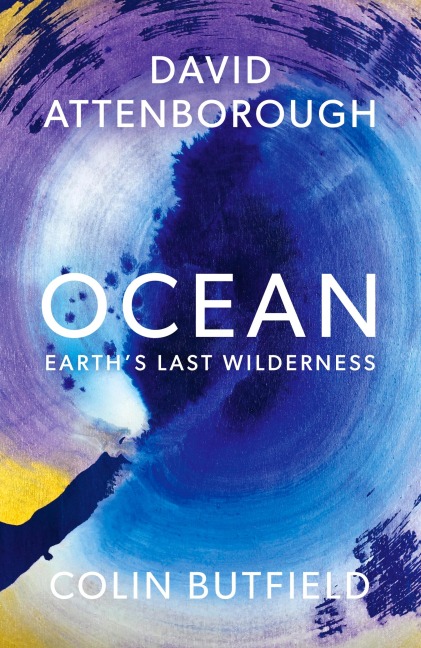
Ocean: Earth's Last Wilderness
David Attenborough, Colin Butfield
-20% with code BOOKS
In stock at our supplier

 TOP
TOP
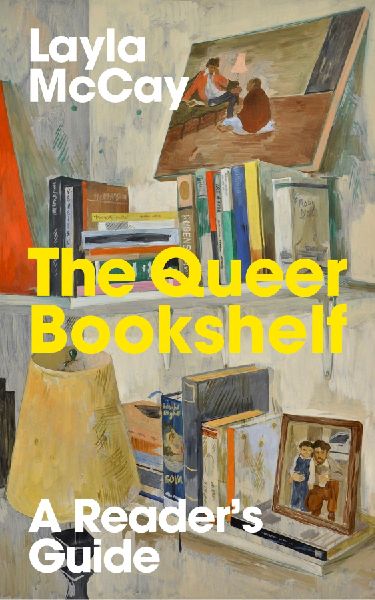
The Queer Bookshelf: A Reader's Guide
-20% with code BOOKS
In stock at our supplier
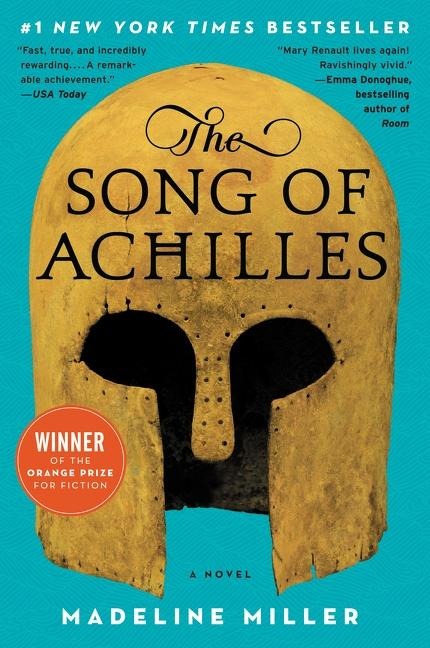 TOP
TOP
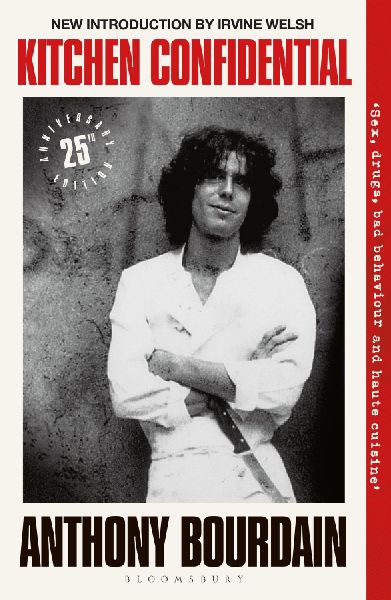
Kitchen Confidential. 25th Anniversary Edition
-20% with code BOOKS
In stock at our supplier
 TOP
TOP
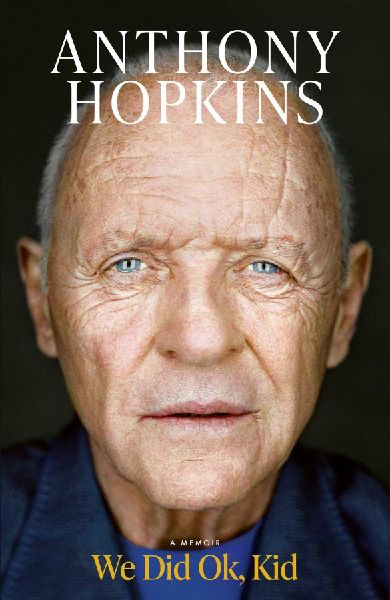
We Did Ok, Kid: The Sunday Times bestselling memoir
-20% with code BOOKS
In stock at our supplier
 TOP
TOP

What Do You Care What Other People Think: Further Adventures of a Curious Character
Ralph Leighton, Richard P. Feynman
-20% with code BOOKS
In stock at our supplier
Description
More Information
| Author | Kathryn Donohue |
|---|---|
| Publisher | Finishing Line Press |
| Release year | 2018 |
| Cover type | Softcover |
| EAN | 9781635347227 |