
Computer fraud and hacking
This category explores the critical issues surrounding computer fraud and hacking, exposing the methods and motivations behind cybercrime. Ideal for cybersecurity professionals, educators, and enthusiasts, it offers insights into the latest trends, prevention techniques, and historical case studies that illustrate the ongoing battle against digital threats.
 TOP
TOP

Hacking: The Art of Exploitation
-20% with code BOOKS
In stock at our supplier
TOP
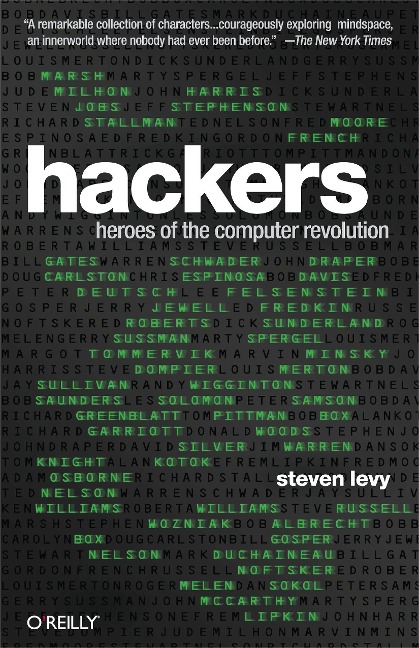
Hackers. 25th Anniversary Edition: Heroes of the Computer Revolution
-20% with code BOOKS
In stock at our supplier

Client-Honeypots: Exploring Malicious Websites
Jan Gerrit Göbel, Andreas Dewald
-20% with code BOOKS
In stock at our supplier
In Depth Security Vol. II: Proceedings of the DeepSec Conferences
-20% with code BOOKS
In stock at our supplier
Computational Intelligence, Cyber Security and Computational Models. Models and Techniques for Intelligent Systems and Automation: 4th International Conference, ICC3 2019, Coimbatore, India, December 19-21, 2019, Revised Selected Papers
-20% with code BOOKS
In stock at our supplier
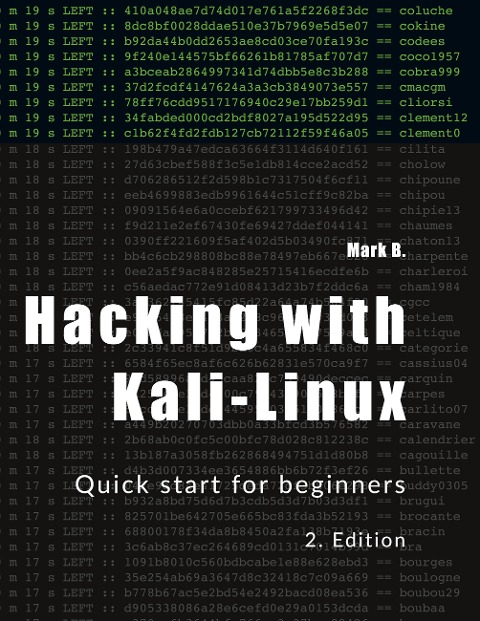
Hacking with Kali-Linux: Quick start for beginners
-20% with code BOOKS
In stock at our supplier
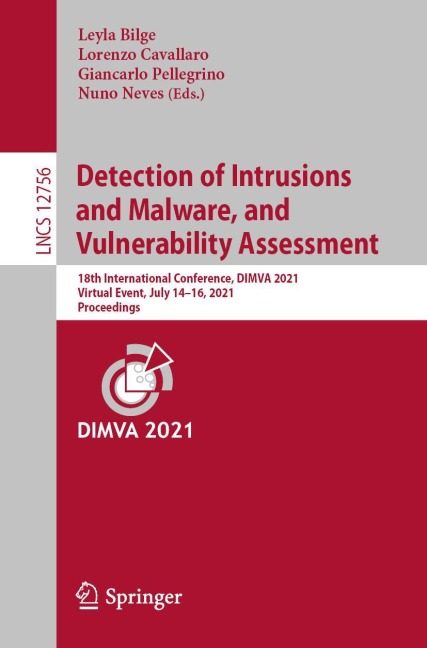
Detection of Intrusions and Malware, and Vulnerability Assessment: 18th International Conference, DIMVA 2021, Virtual Event, July 14-16, 2021, Proceedings
-20% with code BOOKS
In stock at our supplier
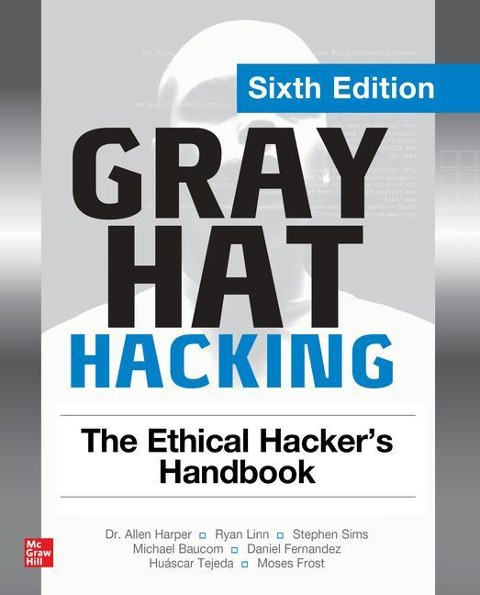
Gray Hat Hacking: The Ethical Hacker's Handbook, Sixth Edition
Moses Frost, Daniel Fernandez, Huascar Tejeda, Allen Harper, Michael Baucom, Stephen Sims, Ryan Linn
-20% with code BOOKS
In stock at our supplier
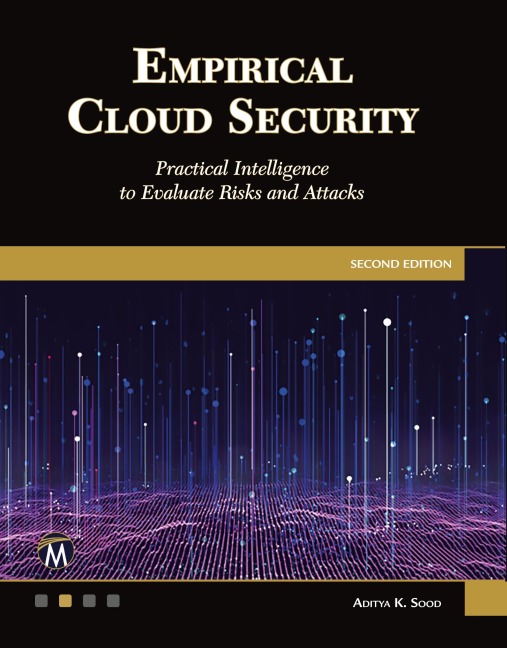
Empirical Cloud Security: Practical Intelligence to Evaluate Risks and Attacks
-20% with code BOOKS
In stock at our supplier
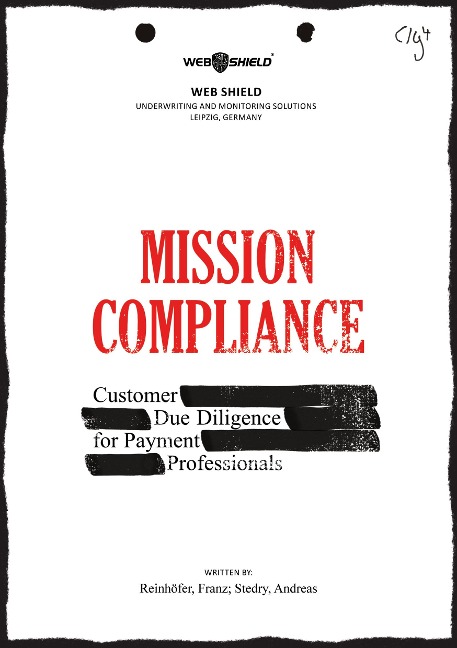
Mission Compliance: Customer Due Diligence for Payment Professionals
Andreas Stedry, Franz Reinhöfer
-20% with code BOOKS
In stock at our supplier
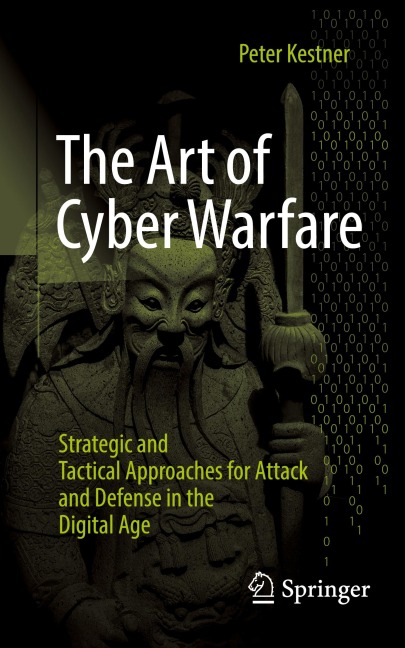
The Art of Cyber Warfare: Strategic and Tactical Approaches for Attack and Defense in the Digital Age
-20% with code BOOKS
In stock at our supplier
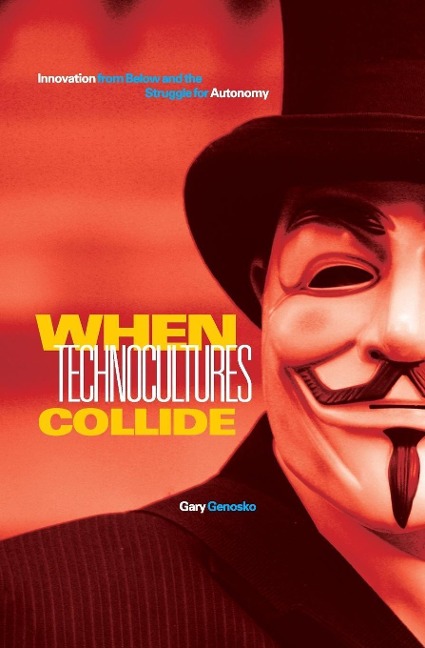
When Technocultures Collide: Innovation from Below and the Struggle for Autonomy
-20% with code BOOKS
In stock at our supplier

Advanced Security Solutions for Multimedia
-20% with code BOOKS
In stock at our supplier
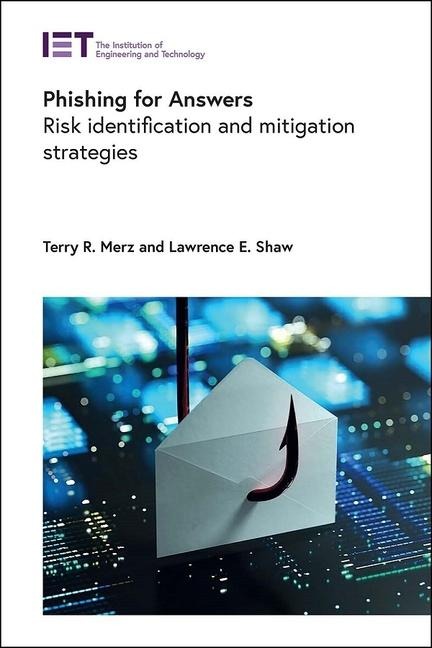
Phishing for Answers: Risk Identification and Mitigation Strategies
-20% with code BOOKS
In stock at our supplier

The Last Will and Testament of HARLEY and His DOG
-20% with code BOOKS
In stock at our supplier

The Stealthy Serpent: Investigating the Evolution of Sophisticated Malware and Its Impact on Networks
-20% with code BOOKS
In stock at our supplier
Social Engineering and Human Hacking: Strategies for the Prevention and Defense Against Manipulation Techniques in IT
Erfan Koza, Asiye Öztürk, Michael Willer
-20% with code BOOKS
In stock at our supplier


Social Engineering in Cybersecurity: Threats and Defenses
-20% with code BOOKS
In stock at our supplier
Category „Computer fraud and hacking“
In the modern digital landscape, the world of computer fraud and hacking has become a pressing concern that touches nearly every aspect of life. As our reliance on technology grows, so too does the potential for cybercriminals to exploit vulnerabilities for personal gain. This category delves into the intricate web of deceit that characterizes computer fraud, providing insights that are essential for anyone wishing to protect themselves in an increasingly interconnected world.
The history of computer fraud and hacking is as old as the internet itself; it has evolved from simple pranks to complex schemes involving large-scale identity theft and financial fraud. Understanding these developments offers valuable lessons for individuals, businesses, and law enforcement agencies alike. As readers explore these resources, they will gain a deeper understanding of the methods employed by hackers and the motivations behind their actions.
Knowledge about computer fraud and hacking is vital for various audiences, including IT professionals, business owners, educators, and everyday individuals who wish to safeguard their personal information. By studying the tactics used by cybercriminals, readers can better defend themselves against such threats, making informed decisions about their online activities and digital security practices.
This category doesn't merely cover the technical aspects of hacking; it also explores the psychological and sociological factors that drive individuals to commit fraud. Topics such as social engineering, phishing schemes, and malware are just a few examples of the critical issues that are addressed, offering a comprehensive view that is both informative and engaging.
Among the notable authors and publishers in this field are established professionals who bring their expertise and real-world experience to the forefront. Their works are invaluable resources that combine in-depth research with practical advice, empowering readers to combat the dark side of technology effectively. This selection of literature not only informs but also inspires, signaling that knowledge is indeed the first line of defense against computer fraud and hacking.