
Environmental archaeology
This fascinating field explores the interactions between ancient cultures and their environments, uncovering how human societies have adapted to and shaped their surroundings over time. With a blend of archaeology and environmental science, this category offers in-depth insights into past landscapes, ecosystems, and the impact of climate change on societal development. Ideal for researchers, students, and enthusiasts, these books provide a comprehensive understanding of humanity's place within the natural world.
Zooarchaeology
Barnet Pavão-Zuckerman, Elizabeth S. Wing, Elizabeth J. Reitz
-20% with code BOOKS
In stock at our supplier

Abundant Earth: Toward an Ecological Civilization
-20% with code BOOKS
In stock at our supplier
Aquatic Adaptations in Mesoamerica: Subsistence Activities in Ethnoarchaeological Perspective
-20% with code BOOKS
In stock at our supplier
National Geographic Atlas of Wild America
-20% with code BOOKS
In stock at our supplier
Fires in GunaiKurnai Country: Landscape Fires and their Impacts on Aboriginal Cultural Heritage Places and Artefacts in Southeastern Australia
-20% with code BOOKS
In stock at our supplier

Elemental Narratives: Reading Environmental Entanglements in Modern Italy
-20% with code BOOKS
In stock at our supplier
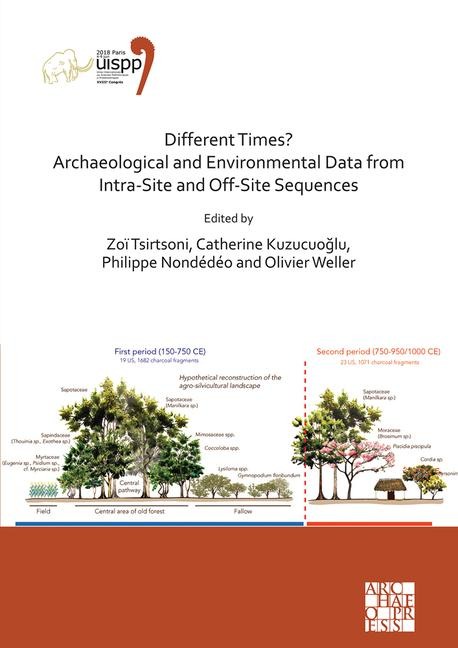
Different Times? Archaeological and Environmental Data from Intra-Site and Off-Site Sequences: Proceedings of the XVIII UISPP World Congress (4-9 June 2018, Paris, France) Volume 4, Session II-8
-20% with code BOOKS
In stock at our supplier
The Archaeology of Connectivity and Complementarity Reflected Through Salt, Cod, and Sugar
-20% with code BOOKS
In stock at our supplier
Zooarchaeology
Barnet Pavão-Zuckerman, Elizabeth S. Wing, Elizabeth J. Reitz
-20% with code BOOKS
In stock at our supplier
Under Pressure?: Living with Climate Change and Environmental Hazards in the Past and Now
-20% with code BOOKS
In stock at our supplier

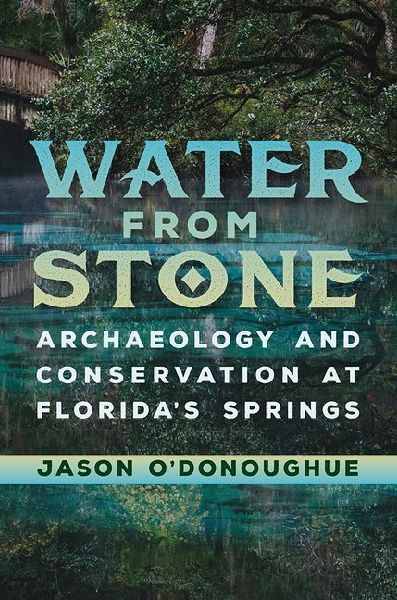
Water from Stone: Archaeology and Conservation at Floridas Springs
-20% with code BOOKS
In stock at our supplier

Two Cemeteries from Bristol's Northern Suburbs
-20% with code BOOKS
In stock at our supplier
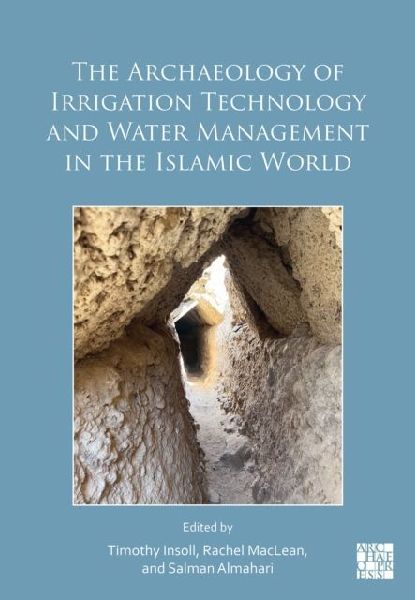
The Archaeology of Irrigation Technology and Water Management in the Islamic World: Proceedings of the Bahrain Conference, January 2024
-20% with code BOOKS
In stock at our supplier
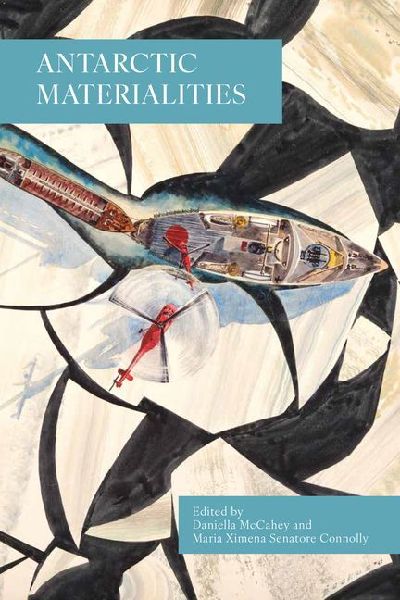
Category „Environmental archaeology“
Environmental archaeology bridges the gap between the study of human history and the natural world, offering insights into how ancient peoples interacted with their environments. This fascinating field combines archaeological methods with ecological principles, allowing researchers to reconstruct past landscapes and understand the impact of climate and resources on human behavior. It's a captivating area for anyone interested in history, archaeology, and environmental science.
The roots of environmental archaeology can be traced back to the pioneering work of scientists who began examining pollen, seeds, and animal remains found at archaeological sites. As a result, this discipline has evolved into an essential tool for reconstructing ancient ecosystems and examining human adaptation to changing environmental conditions. Whether examining prehistoric settlements or understanding the agricultural practices of past civilizations, environmental archaeology provides a comprehensive view of how our ancestors thrived within their ecosystems.
Readers keen on environmental archaeology will appreciate the depth of understanding it provides into human history and our relationship with the planet. This category showcases works that delve into various themes, such as paleoenvironmental studies, bioarchaeology, and the anthropological impacts of climate change. These texts illuminate how ancient cultures responded to environmental shifts and resource availability, offering valuable lessons for contemporary society.
In this realm, many prominent authors and experts contribute valuable perspectives, enriching the conversation around environmental archaeology. Their works are often published by reputable academic presses and reflect the latest research trends in the field. Delving into this category opens a door to engaging narratives and scientific inquiry, making it ideal for scholars, students, and anyone with a passion for discovering the past through the lens of the environment.