
Institutions and learned societies: general
This category encompasses a diverse range of literature focused on institutions and learned societies, perfect for scholars, researchers, and anyone interested in the structure and function of academic and cultural organizations. It features comprehensive resources that explore historical context, current developments, and the impact of these entities on society, providing valuable insights for both academic and personal enrichment.


Gestalt Integrative Couple Therapy: A Clinical Approach
-20% with code BOOKS
In stock at our supplier

The Influence Economy: Decoding Supplier-Induced Demand
-20% with code BOOKS
In stock at our supplier
Philadelphia Libraries: A Survey of Facilities, Needs, and Opportunities
Bibliographical Planning Committee
-20% with code BOOKS
In stock at our supplier

The Institutional Foundation of Economic Development
-20% with code BOOKS
In stock at our supplier

British Psychology in Crisis: A Case Study in Organisational Dysfunction
-20% with code BOOKS
In stock at our supplier
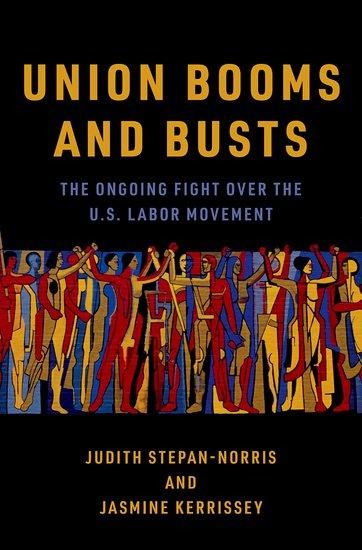
Union Booms and Busts: The Ongoing Fight Over the U.S. Labor Movement
Judith Stepan-Norris, Jasmine Kerrissey
-20% with code BOOKS
In stock at our supplier
Category „Institutions and learned societies: general“
The world of institutions and learned societies encompasses a rich tapestry of knowledge and understanding that has emerged from centuries of academic pursuit. This category serves as a vital resource for scholars, researchers, and anyone interested in the foundational structures that support the dissemination and advancement of knowledge. Institutions, often acting as hubs of research and education, have played a crucial role in shaping our understanding of various disciplines.
Historically, learned societies have fostered collaboration among experts, providing a platform for the exchange of ideas, peer review, and the publishing of vital research. Their contributions extend beyond academia; they encourage the application of knowledge in practical settings, impacting policy decisions and societal improvements. Readers may find themselves intrigued by the intricate dynamics of how these societies operate, the historical significance they hold, and their ongoing relevance in contemporary discourse.
Engagement with this category promotes an appreciation for the collaborative nature of knowledge creation. Institutions not only advance individual expertise but also contribute to the collective intellectual heritage that societies rely upon for progress. Whether through the exploration of interdisciplinary studies or the examination of reference materials, this category offers insights that benefit readers spanning various fields of interest.
In addition, authors and publishers linked to these institutions often provide valuable perspectives, enriching the literature available in this domain. Their commitment to producing high-quality content ensures that readers have access to authoritative information that can enhance research and inquiry. By delving into this category, one can uncover a wealth of resources that illuminate the essential role of institutions and learned societies in fostering a knowledgeable society.